• Antarctic ozone hole is making its annual comeback

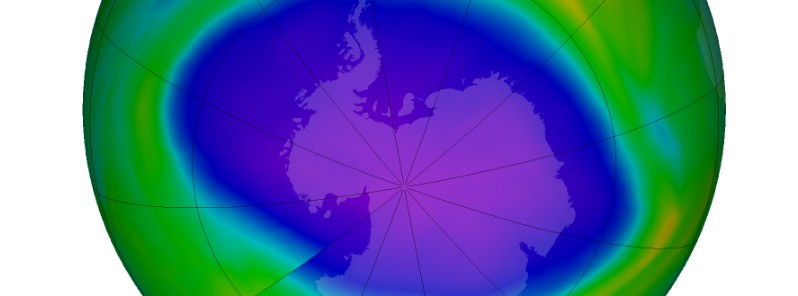
    The Antarctic ozone hole is growing anew. This annual phenomenon, set to peak in September and October, causes dangerous UV rays to penetrate the Earth’s atmosphere deeper. As the Southern Hemisphere enters spring, the ozone hole over Antarctica has started to form, leading to a significant depletion of ozone in the stratosphere. Monitoring has revealed…

  • Ozone hole over Antarctica soars to one of its largest sizes on record, Hunga Tonga eruption possible cause

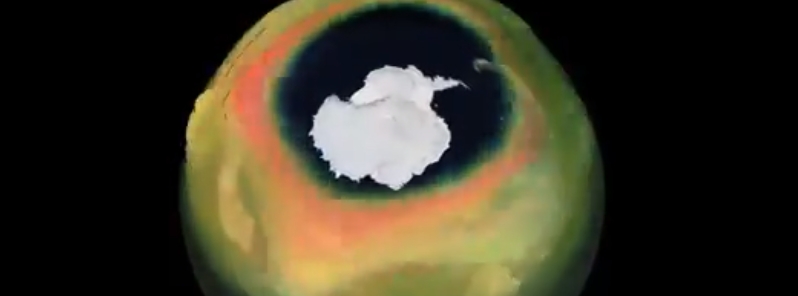
    On September 16, 2023, a significantly large ozone hole stretched over Antarctica, covering an area of 26 million km3 (10.04 million mi3), prompting a deeper look into the possible causes. The fluctuating size of the ozone hole is a yearly phenomenon, with a notable increase from August to October, and a decrease as temperatures in the southern hemisphere’s stratosphere rise towards the year’s end.

  • Deep and larger-than-average Antarctic ozone hole 2021

    This year's ozone hole over the southern hemisphere is again deep and larger-than-average due to the colder than usual winter atmosphere over the region. It reached its maximum area on October 7 and ranked as the 13th largest since 1979, according to NASA and…

  • Arctic ozone levels hit record low in March

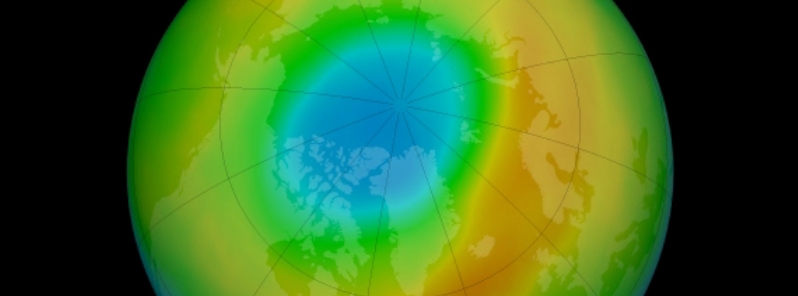
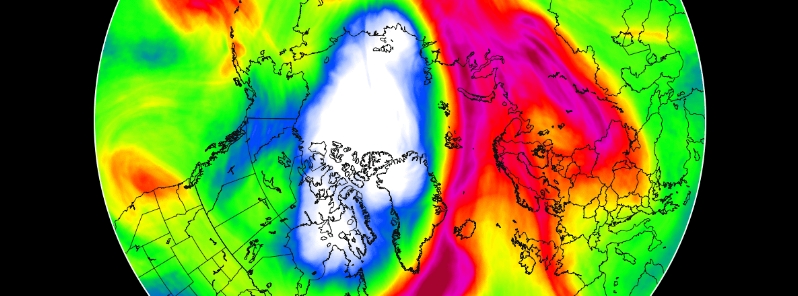
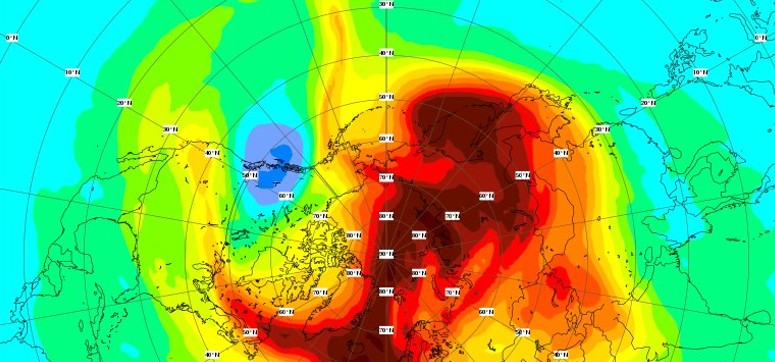
    An analysis of satellite observations shows that ozone levels over the Arctic hit a record low for the month of March, NASA researchers reported on April 16, 2020. Ozone levels reached their lowest point on March 12 at 205 Dobson units. The depletion was caused by…

  • Mini ozone hole appears over western Canada

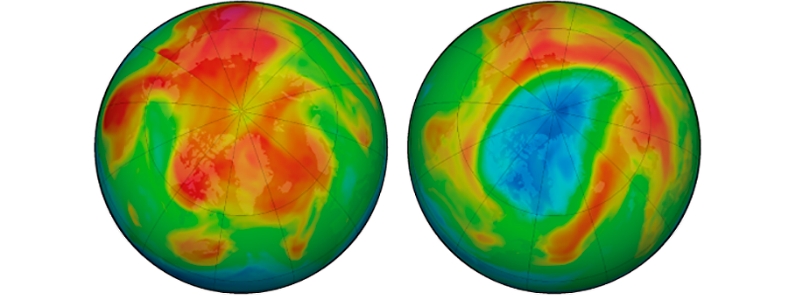
    On February 7, 2018, the Copernicus Atmosphere Monitoring Service or CAMS, has successfully predicted the appearance of an ozone mini-hole over western Canada on February 12 or 13. Sudden stratospheric warmings like the one currently in progress have been shown to…