
March flooding leaves 37 dead and nearly 138 000 affected across Mozambique
Severe flooding across Mozambique between March 1 and 21, 2026, left at least 37 people dead and affected 137 983 people as heavy rainfall and elevated river levels impacted several provinces. The flooding caused displacement, infrastructure damage, and access constraints, while continued rainfall maintained flood risk in multiple river basins.
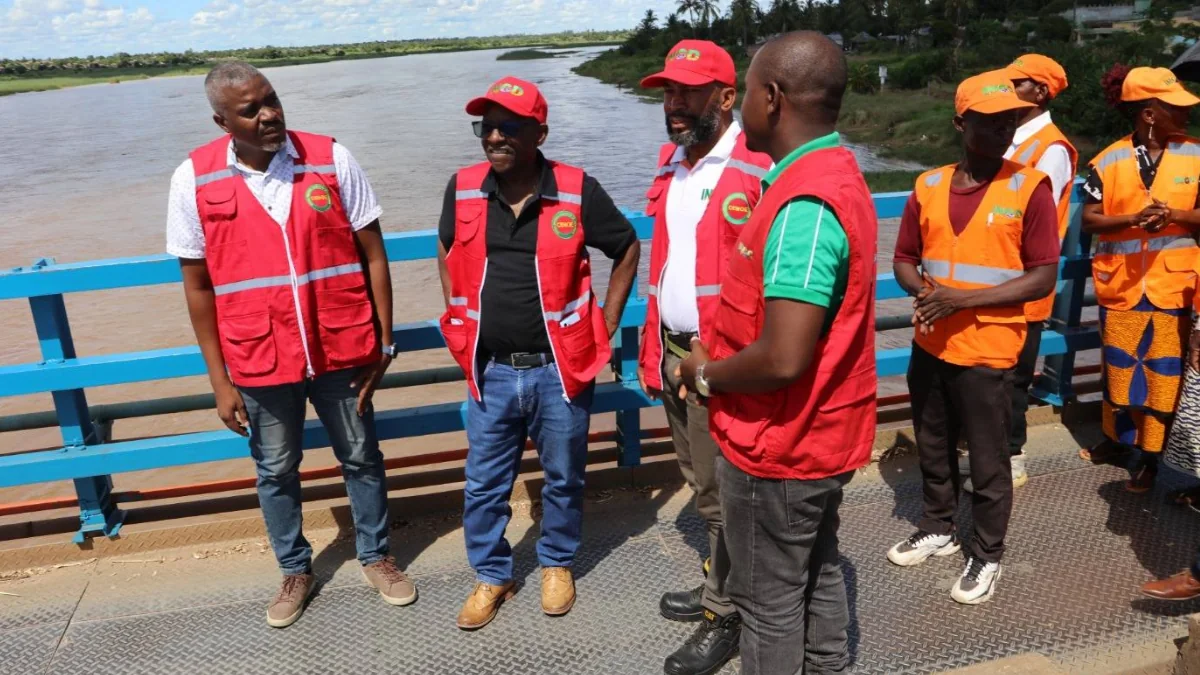
Authorities surveying elevated river levels in Zambezia, Mozambique, on March 24, 2026. Credit: INGD
Severe flooding continues across Mozambique, with at least 37 people being reported dead between March 1 and 21. The floods are affecting around 138 000 people as heavy rain and high river levels continue impacting southern, central, and northern regions of the country.
Flooding has been reported in multiple provinces, including Gaza, Inhambane, Sofala, Zambezia, Niassa, and Tete, many of which were still recovering from the floods during January and February.
Limpopo, Save, Búzi, Púngoè, Licungo, and Zambezi. In northern Mozambique, the Megaruma, Montepuez, Messalo, and Rovuma basins also showed significant hydrological pressure.
Flooding was worsened by the rising water levels in transboundary river systems originating in South Africa and Zimbabwe, increasing downstream discharge and compounding flood severity in affected regions.
An estimated 81 804 people were affected by the floods in southern and central provinces between March 7 and 20. This follows earlier reports of more than 799 000 people affected during the January–February flooding period, highlighting repeated exposure to flood hazards during the ongoing rainy season.
As of March 21, IOM reported 53 accommodation centres hosting 21 780 people. In a March 24 update, DG ECHO cited 37 active temporary accommodation centres sheltering 16 417 people, reflecting differences in reporting cut-off times and operational coverage.
Children account for 46 percent of the population in accommodation centers, followed by women at 33 percent and men at 21 percent, indicating a high concentration of vulnerable groups among displaced populations.
Floodwaters caused widespread damage to infrastructure, including roads and transport networks, rendering several affected areas inaccessible and limiting the ability of humanitarian partners to deliver assistance. Urban areas also experienced road degradation and mobility disruptions due to erosion and prolonged water exposure.
In Zambezia province, rising levels of the Licungo River inundated agricultural land and infrastructure, resulting in significant livelihood losses for riverine communities. Authorities also reported ongoing erosion affecting urban roads and transport routes, further constraining movement.
Public health risks are increasing in flood-affected areas, particularly due to the potential spread of cholera. Since September 2025, Mozambique has recorded 7 814 cholera cases and 83 deaths, with flooding conditions raising concerns about further transmission in areas with limited access to clean water and sanitation.
The National Institute for Disaster Risk Management (INGD), has increased monitoring, awareness campaigns, and field assessments in affected provinces, including Inhambane and Zambezia. Anticipatory action protocols were activated on March 14, as rainfall and river levels increased.
Despite ongoing response efforts, available resources remain stretched, with humanitarian partners focusing on the most affected areas, particularly in the Gaza province, while other regions continue to face unmet needs and limited access to assistance.
Additional rainfall is expected to sustain runoff and keep river levels elevated in several basins, maintaining flood risk in the coming days during Mozambique’s rainy and cyclone season.
References:
1 ECHO Daily Flash – ERCC – March 24, 2026
2 Mozambique | Floods – Flash Update #9 – ReliefWeb – March 22, 2026

I am an Assistant Editor and Severe Weather & Science Journalist at The Watchers, specializing in real-time severe weather coverage, geophysical event reporting, and research-driven scientific analysis. You can reach me at rishav(at)watchers(.)news.

Commenting rules and guidelines
We value the thoughts and opinions of our readers and welcome healthy discussions on our website. In order to maintain a respectful and positive community, we ask that all commenters follow these rules.