
Strong M6.3 earthquake in Afghanistan leaves over 20 dead and 300 injured
A strong M6.3 earthquake struck northern Afghanistan near Mazar-e Sharif at 20:28 UTC on November 2 (00:58 local time, November 3), 2025, killing at least 20 people and injuring more than 300, according to preliminary figures from the Ministry of Public Health. Rescue efforts continue in the mountainous districts of Balkh and Samangan provinces.
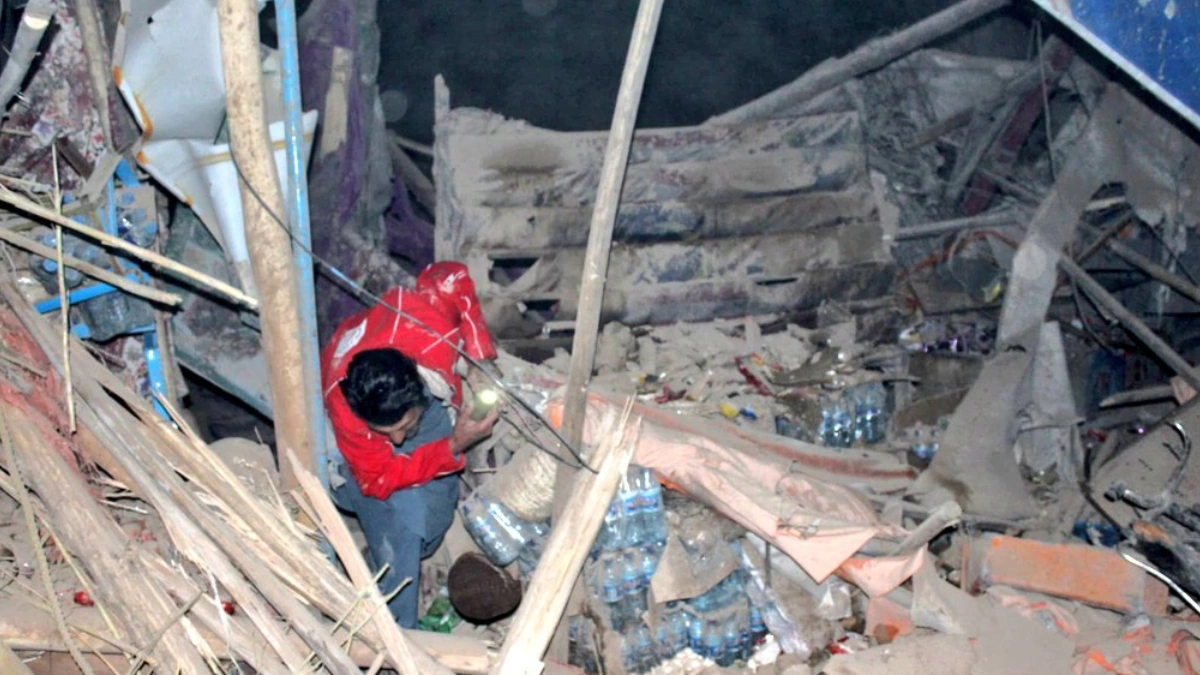
Damage caused by M6.3 earthquake in central Afghanistan on November 3, 2025. Credit: ARCS Afghanistan
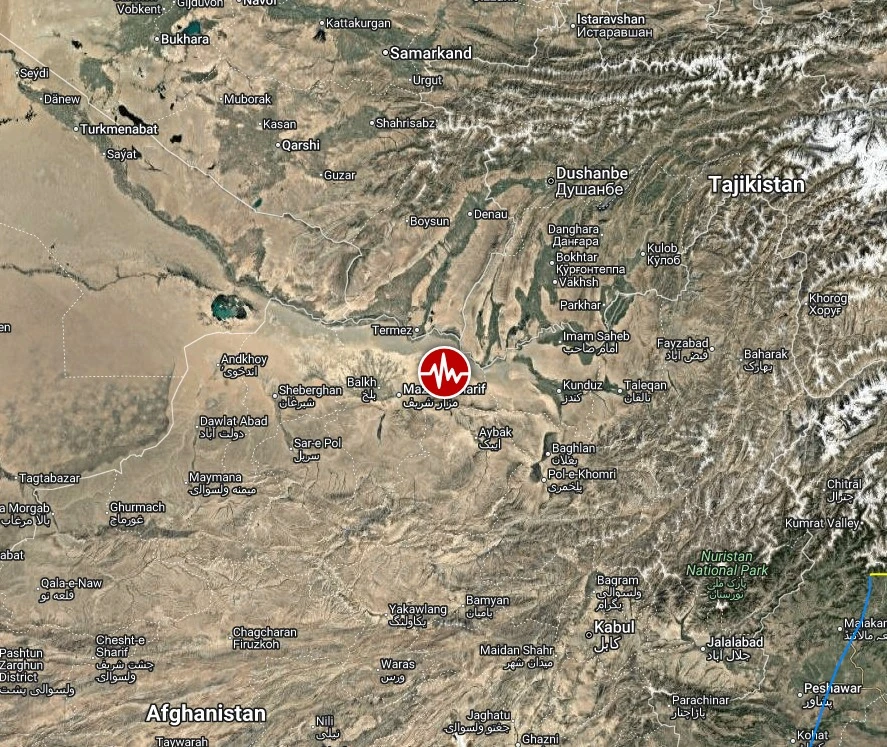
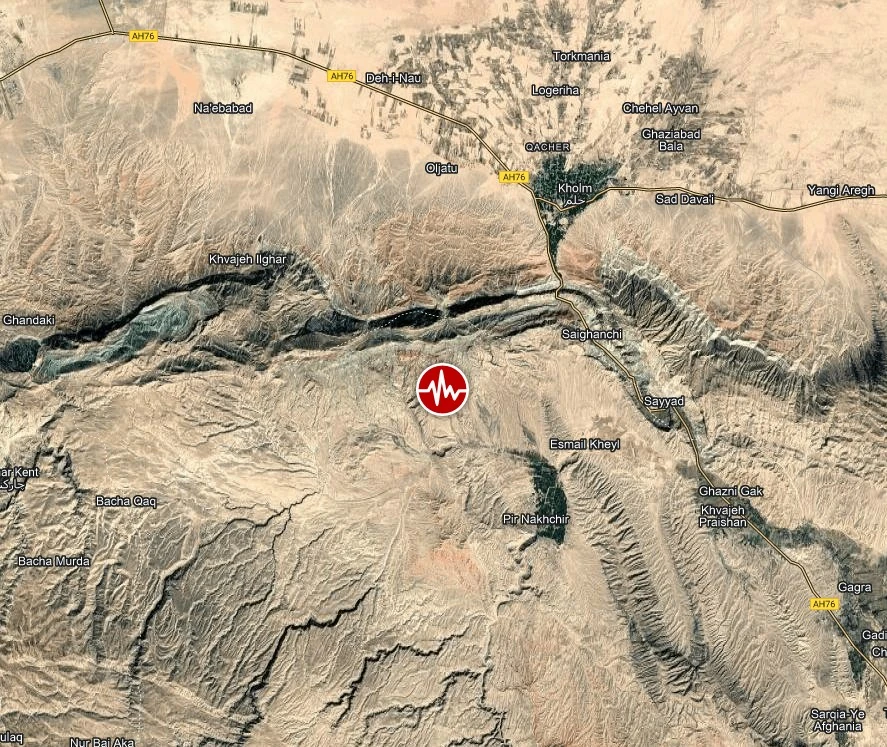
The epicenter was located about 22 km (14 miles) west-southwest of Khulm at a depth of approximately 28 km (17 miles). Shaking was strongly felt in Mazar-e Sharif, Samangan, and Kunduz, as well as in parts of Kabul.
The Ministry of Public Health has confirmed at least 20 deaths, with around 320 injuries. The fatalities are expected to rise as rescue teams reach isolated villages across Balkh and Samangan provinces. Most injuries were caused by collapsing walls and falling debris in traditional mud-brick homes.
The Taliban government mobilised health, defence, and disaster-response units within hours of the quake. Hospitals in Mazar-e Sharif and Aybak were placed on high alert, and medical supplies were sent from Kabul. Local volunteers joined rescue teams searching for survivors in Khulm, Aybak, and Hazrati Sultan districts.
Numerous residential buildings and market structures collapsed in the provincial capital Mazar-e Sharif (population 523 000). Videos shared on social media showed a recording of the exact moment the earthquake struck, causing everything to visibly shake.
The video shows the moment an #earthquake one of the motor park cars in Mazar-i-Sharif of #Afghanistan last night. pic.twitter.com/vqaaXEaZie
— Parwiz Hamidi(@Palestine001_) November 3, 2025
The quake reportedly damaged the tiles and outer masonry of the 15th-century Blue Mosque (Mausoleum of Imam Ali), one of Afghanistan’s most important and famous religious sites in the country. The main dome remained intact and was safe, according to local authorities.
A 6.3-magnitude earthquake hits northern Afghanistan near Mazar-i-Sharif, killing 8, injuring nearly 200, and damaging the historic Blue Mosque. Felt in Tajikistan and Uzbekistan. Prayers for all affected. #AfghanistanEarthquakepic.twitter.com/bpC1jbCACM
— Rhys O'Brien (@RhysOBrienNext) November 3, 2025
Power outages were reported in Balkh and Samangan provinces, with temporary blackouts extending to Kabul. A landslide triggered by the quake blocked sections of the Mazar-e Sharif–Kabul highway, complicating rescue operations.
Blocked roads and rugged terrain have made it difficult for disaster response teams to reach many affected areas. Parts of the Hindu Kush region are accessible only on foot or by motorbike, and aftershocks and rockslides pose additional risks.
An eyewitness from Marmal district of Balkh province speaks about the recent earthquake…
— Dr Shekib – داکتر شکیب (@Dr_shekib093) November 3, 2025
د بلخ ولایت زلزلي په اړه د مارمل ولسوالۍ یو تن عیني شاهد وینا…#Balkh #Earthquake #Afghanistan #Marmal #Witness #Relief #UPDATES_KESI_YA_UHAINI pic.twitter.com/fBR02ejIc5
Afghanistan’s northern provinces are seismically active and structurally fragile. Many rural homes are built from sun-dried mud bricks without reinforcement, making them highly susceptible to collapse. Even a moderate earthquake in these areas could be devastating.
This comes just two months after a M6.0 earthquake in the Hindu Kush region caused over 2 200 deaths, with some reports indicating up to 3 000 fatalities.
The United Nations Office for the Coordination of Humanitarian Affairs (OCHA) and the Afghan Red Crescent Society dispatched field teams to Balkh and Samangan to coordinate relief efforts. Immediate priorities include emergency medical treatment, temporary shelter, road clearance, restoration of power lines and communications, and psychological support for survivors.
Winter is also approaching, with temperatures in mountain districts forecast to drop below -10 °C (14 °F). With thousands of people having lost their homes, this winter can be life-threatening unless immediate assistance is provided to affected people.

I am an Assistant Editor and Severe Weather & Science Journalist at The Watchers, specializing in real-time severe weather coverage, geophysical event reporting, and research-driven scientific analysis. You can reach me at rishav(at)watchers(.)news.

Commenting rules and guidelines
We value the thoughts and opinions of our readers and welcome healthy discussions on our website. In order to maintain a respectful and positive community, we ask that all commenters follow these rules.