
Our electrically scarred Moon
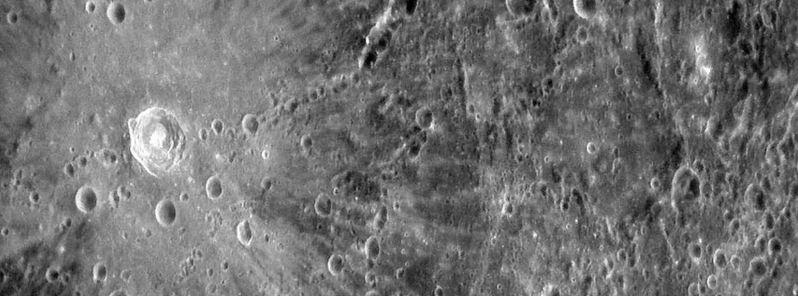
Image credit: NASA/LROC
Half-a-century ago, at the height of the Cold War, the Space Race between two competing superpowers set mankind on an accelerated path toward placing a man on the Moon. In addition to its geopolitical significance, the Moon was central in the evolution of planetary science.
The discoveries of the Apollo missions sparked debates and helped solidify new consensus theories about the Solar System’s history. In more recent years, many surprising discoveries have challenged scientists' long held ideas about the Moon's history.
Today, we begin exploring the evidence that high-energy electrical discharge events in the past have defined the lunar surface.

Video courtesy of The Thunderbolts Project

The Watchers team and our contributors bring the latest on extreme weather, earthquakes, volcanic eruptions, space weather, and all things science. We're all about making sense of the natural world and keeping you informed on what’s happening. Got a tip or a question? Hit us up using the form at newstips!
Earlier reporting
Nothing on Watchers was published in the last 24 hours. These are older articles.
- On October 22, 2017, a single flash of lightning stretched 515 miles from eastern Texas to near Kansas City, a distance that takes eight hours to drive, and nobody realized how far it had gone until scientists went back through the satellite data years later Epicenter
- CPC posts a slight risk of heavy rain from the Gulf Coast to the Northeast urban corridor November 25-29, and a moderate risk of West Coast wind and Sierra snow on November 25
- Florida's east coast faces a moderate flash flood risk Wednesday through Friday, with 4 to 8 inches of rain forecast and the St. Johns River near Cocoa already in major flood at 17.13 feet
- Cyclone Akvan to make landfall between Nellore and Visakhapatnam around noon on November 20, IMD forecasts 120-130 km/h winds gusting to 145
