Sun enters the solar maximum phase for Solar Cycle 25
NASA and NOAA announced on October 15, 2024, that the Sun has officially entered its solar maximum phase, a period marked by heightened sunspot activity, expected to continue into 2025.

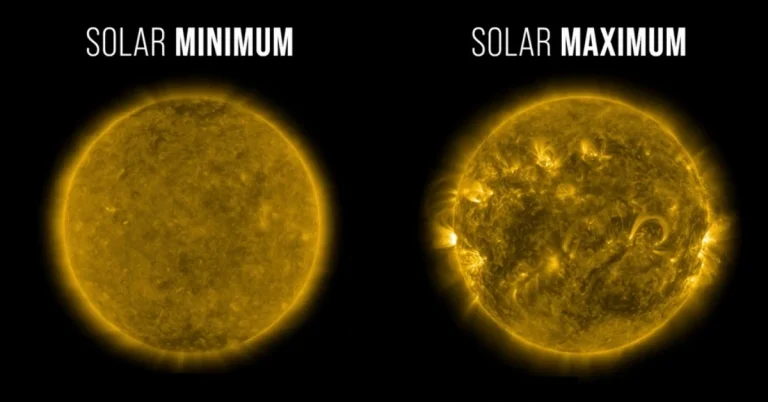
NASA and NOAA announced on October 15, 2024, that the Sun has officially entered its solar maximum phase, a period marked by heightened sunspot activity, expected to continue into 2025.
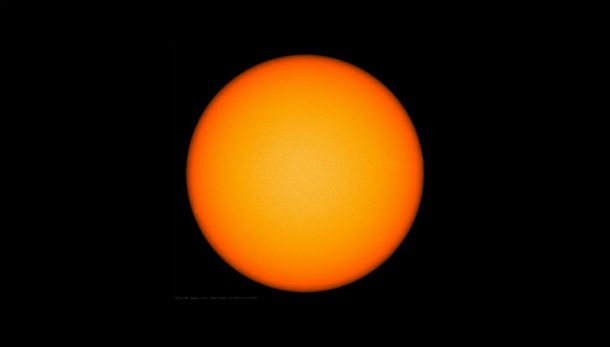
Images taken by Solar Dynamics Observatory (SDO) on July 17, 2014 show no active sunspots on the visible solar disk. To be correct, tiny decaying AR 2113 is still visible, but its size remains so small that the plots and charts didn't registered it. SDO's

The message has been loud and clear for many years—a community of scientists insisting that human activity is warming our planet, taking humanity to the edge of a precipice. But now, as science begins to understand earth's place in the electric solar system, t
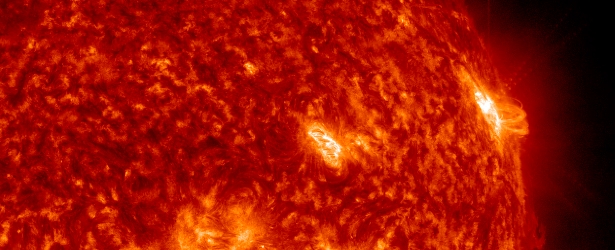
After major X4.9 solar flare that erupted on February 25 from Region 1990 [during its 3 rotation on the Earth side of the Sun] we almost had no day without a moderate eruption. Since then, solar observatories recorded 16 M-class solar flares ranging from M1.0 to M3.5. S
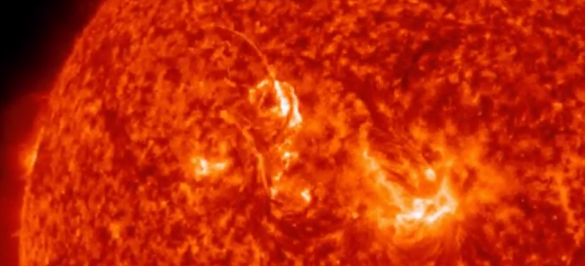
A spectacular filament eruption was observed yesterday August 6, 2013 at 02:04 UTC. A strong Coronal Mass Ejection (CME) has been seen following this energetic impulsive eruption and it does seem to have an earth-bound component which should impact the
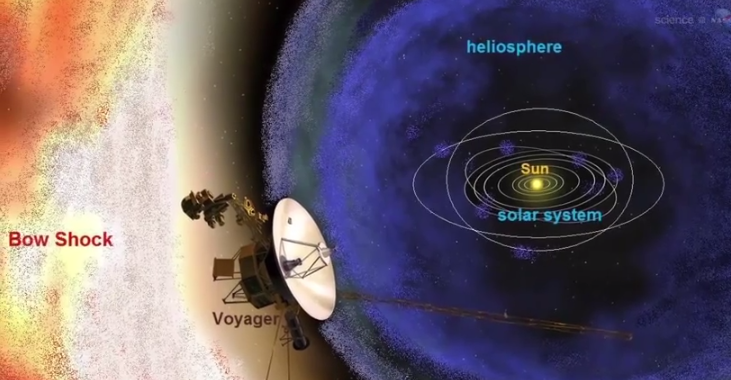
As it does approximately every 11 years on a solar cycle, the Sun's magnetic field is now reversing. Measurements have confirmed that we are about 3 – 4 months away from complete magnetic field reversal when Sun's inner magnetic dynamo will re-organize itself.
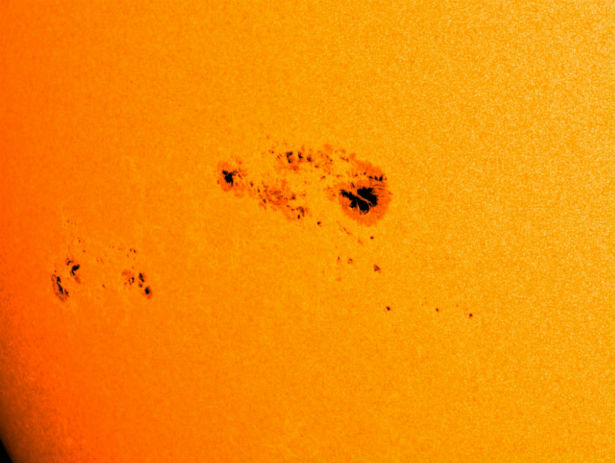
A massive array of sunspots AR1785 – 1787 has rotated over the Sun's southeastern limb and will position itself directly facing Earth in the coming days. This sunspot complex is one of the largest in Solar Cycle 24 and is located in southern
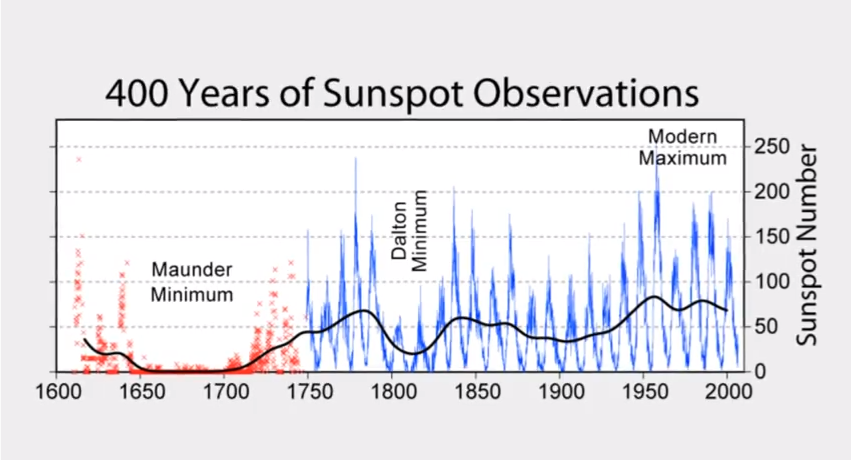
2013 was supposed to be the year of Solar Max, the peak of the 11-year sunspot cycle yet now that it has arrived solar activity is relatively low. Sunspot numbers are well below their values in 2011, and strong solar flares have been infrequent for many months. There
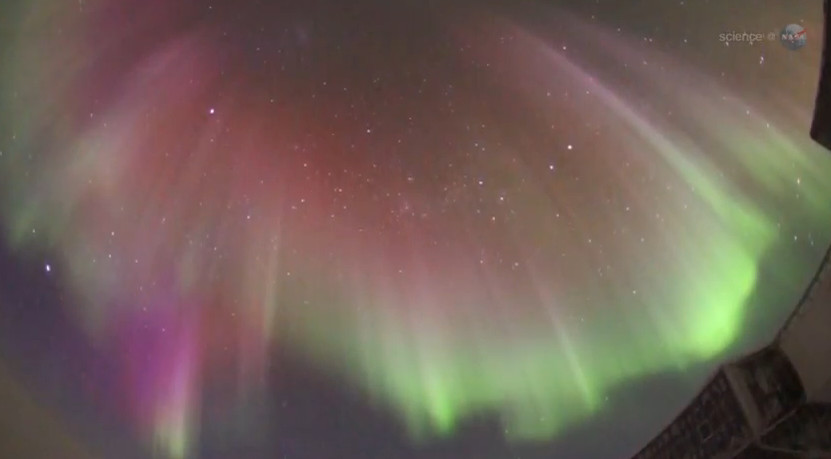
Experts say solar maximum is due in the year 2013. When it arrives, the peak of 11-year sunspot cycle will bring more solar flares, more coronal mass ejections, more geomagnetic storms and more auroras than we have experienced in quite some time.The source of the
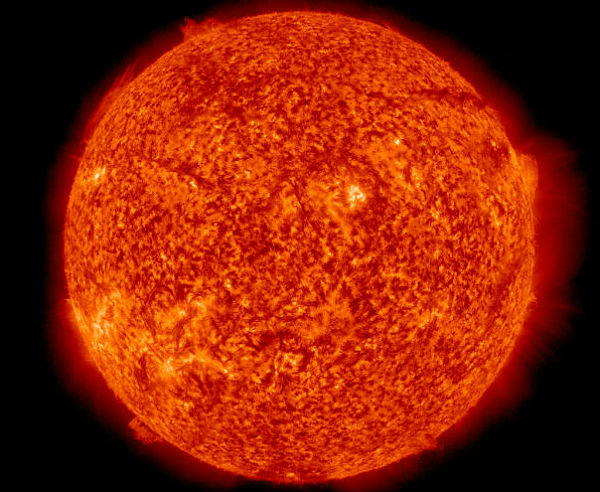
The Earth facing side of the Sun is nearly blank today (with the exception of a few very small sunspots). This is yet another example of how weak this current Solar Cycle 24 really is in comparison to the previous cycles during the past 100 years. Hard to believe that
