• Heat Advisories span 12 states from Texas to Indiana, heat index up to 46°C (114°F) forecast

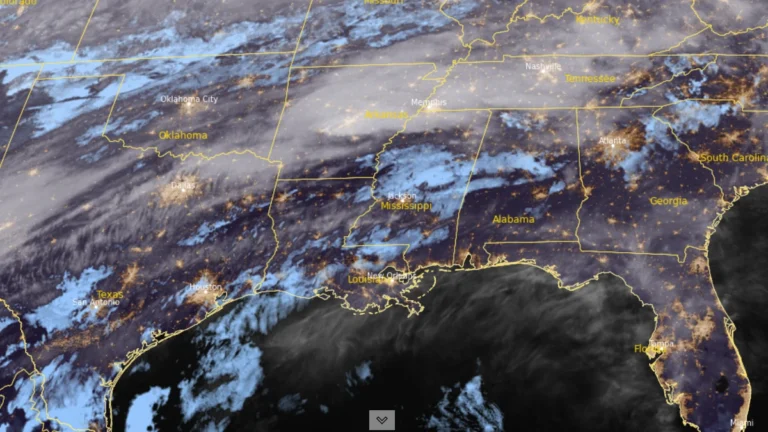
    Heat Advisories issued by 16 National Weather Service (NWS) forecast offices cover portions of 12 U.S. states from September 14 through September 16, 2026, with heat index values forecast to reach 46°C (114°F) in southern Texas. The advisories extend from Texas and Oklahoma through the Lower Mississippi Valley and Mid-South into Indiana and Kentucky.
  • Extreme Heat Warnings and Heat Advisories issued from the Central Plains to the Southwest U.S.

    Extreme Heat Warnings and Heat Advisories were issued across parts of the central and southern United States, the Southwest and California on September 8, 2026. The National Weather Service (NWS) forecast heat index values up to 44°C (112°F) in parts of Arkansas and Oklahoma and temperatures up to 47°C (116°F) in Death Valley and the Colorado River Valley, with several western alerts continuing through September 11.

  • Edouard weakens to tropical depression over Texas, WPC warns of significant flash flooding

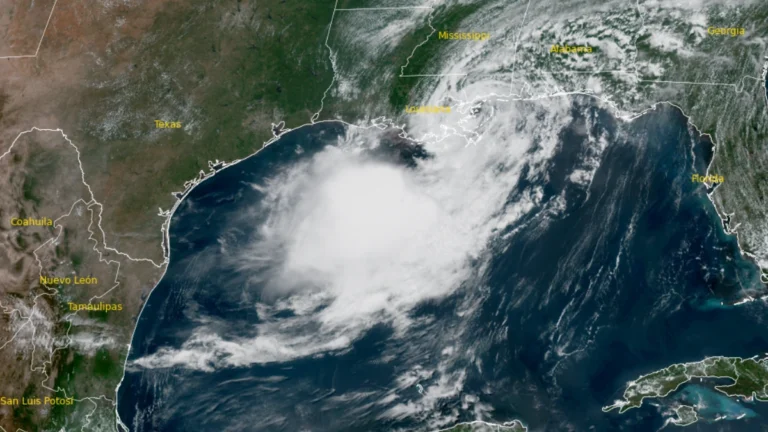
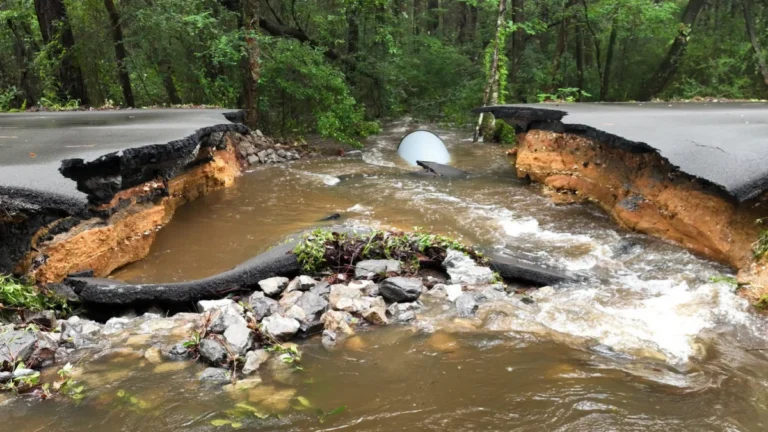
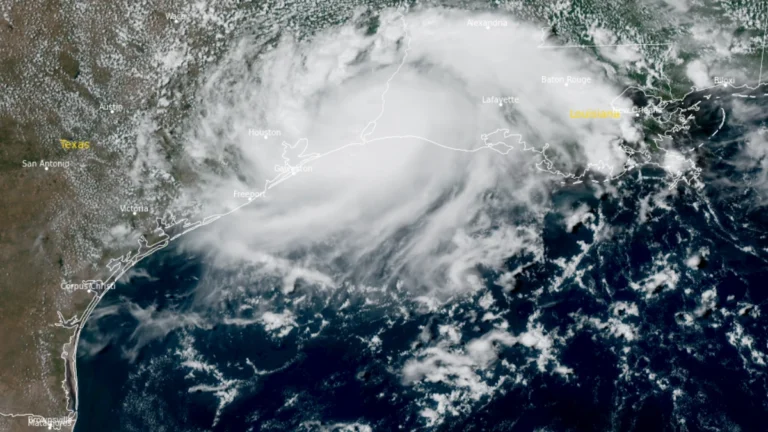
    Tropical Storm Edouard made landfall near Johnson Bayou, Louisiana, at 14:20 CDT (19:20 UTC) on September 1 with winds of 95 km/h (60 mph), then weakened to a tropical depression over southeastern Texas. The Weather Prediction Center forecast storm-total rainfall of 102–203 mm (4–8 inches), with localized totals near 305 mm (12 inches), while Flood Watches remained in effect and approximately 70 000 Entergy Texas customers were without power late September 1.

  • Tropical Storm Edouard strengthens in northern Gulf, Hurricane Watch issued for Texas and Louisiana

    Tropical Storm Edouard was strengthening over the northern Gulf early on September 1, 2026, after Tropical Depression Five became a named storm at 00:00 UTC. The National Hurricane Center (NHC) issued a Hurricane Watch and Storm Surge Warning for portions of the Upper Texas and southwestern Louisiana coasts at 03:00 UTC, warning that Edouard could approach hurricane strength before reaching the northwestern Gulf Coast later on September 1.

  • Tropical Storm Bertha makes landfall in St Bernard Parish, Louisiana, heads toward upper Texas coast

    Tropical Storm Bertha made landfall at approximately in St. Bernard Parish, Louisiana at approximately 13:50 CDT (18:50 UTC)on July 22, 2026, with maximum sustained winds of 72 km/h (45 mph). Storm surge of up to 1 m (3 feet), rainfall totals of 25 to 100 mm (1 to 4 inches) with isolated amounts reaching 150 mm (6 inches), and isolated flash flooding remain possible across portions of the central and western Gulf Coast through July 24.

  • Flood threat expands along Gulf Coast as Potential Tropical Cyclone One nears Louisiana

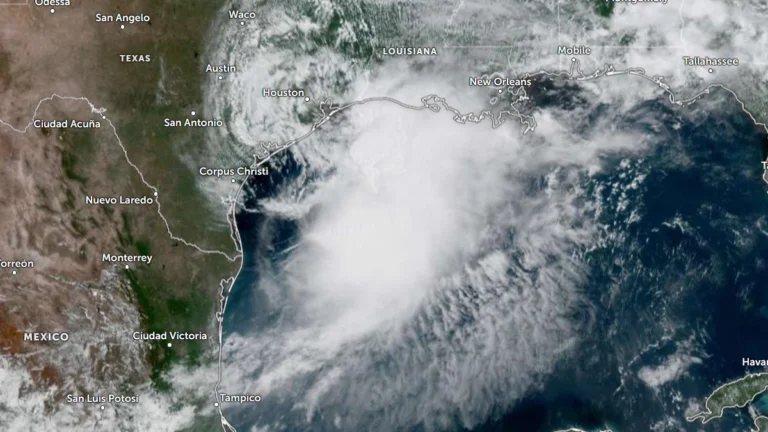
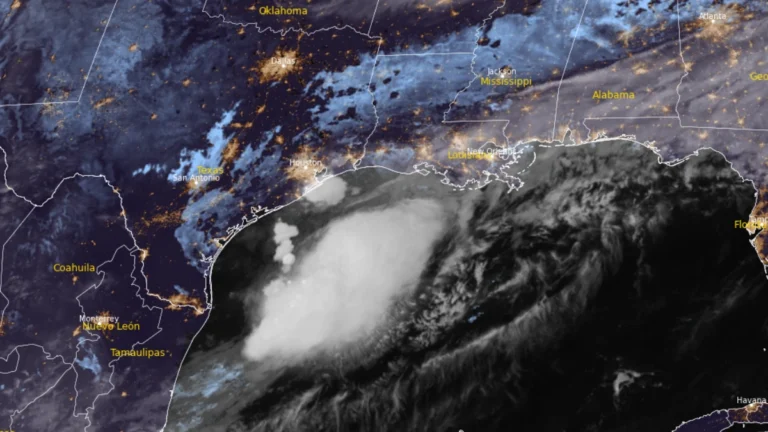
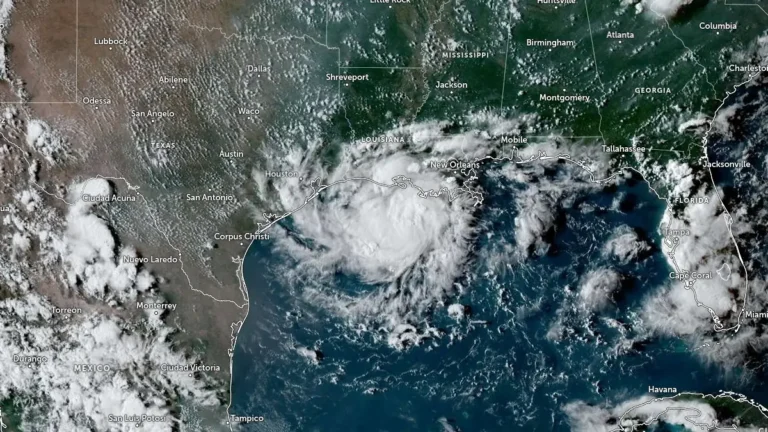
    Heavy rainfall, flash flooding, storm surge, and isolated tornadoes are expected across portions of the Gulf Coast as Potential Tropical Cyclone One tracks along the Texas coast on June 17, 2026. While the system is unlikely to develop into a tropical cyclone, it could bring rainfall totals of up to 500 mm (20 inches) to some areas along with the severe weather.

  • Moderate Risk of excessive rainfall across Texas and Louisiana, flood threat forecast through June 17

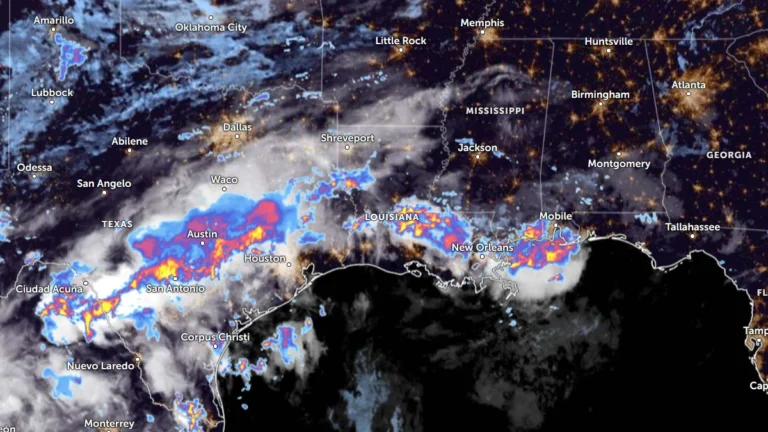
    Heavy rainfall is forecast from South Texas into the lower Mississippi Valley this week. Moderate Risk excessive rainfall outlooks remain in effect across parts of the Gulf Coast as multiple rounds of thunderstorms develop within an unusually moist tropical air mass. Rainfall totals could reach 100 to 150 mm (4 to 6 inches) in some areas, with locally higher amounts possible from June 15 to 17, 2026.

  • Enhanced Risk of severe thunderstorms from Louisiana through Mississippi into Alabama on May 6

    An Enhanced Risk (Level 3/5) of severe thunderstorms has been issued for parts of the Lower Mississippi Valley on May 6, 2026, as forecasters warned that storms capable of producing damaging winds, large hail, and tornadoes are expected to develop from the Southern Plains into the Southeast. Heavy rainfall rates of 25 to 50 mm (1 to 2 inches) per hour may also accompany stronger storms across the region.