• El Niño forecast in 2026 as La Niña weakens and Pacific subsurface heat increases

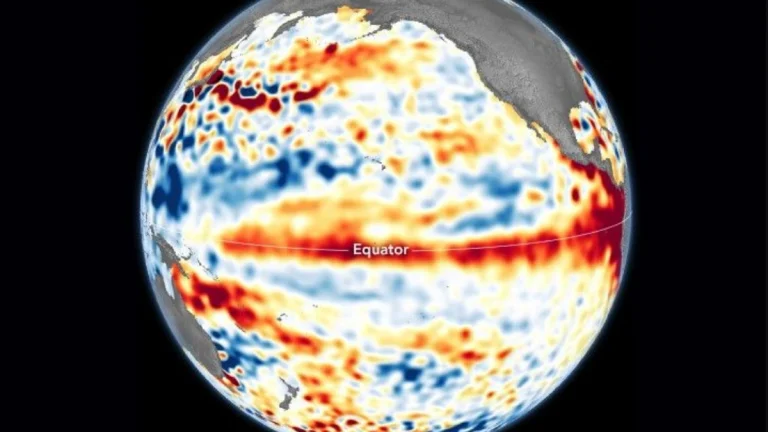
    La Niña conditions persisted across the equatorial Pacific Ocean during February 2026, but forecasters expect the pattern to transition to ENSO-neutral within the next month. The Climate Prediction Center said on March 12, 2026, that El Niño is likely to emerge during June–August 2026 with a probability of 62% and could persist through at least the end of the year.

  • El Niño chances rise as La Niña fades, WMO says neutral phase to persist until mid-2026

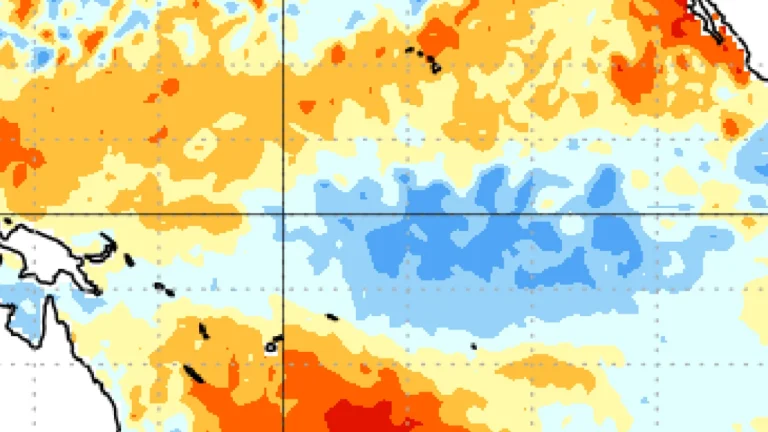
    The World Meteorological Organization (WMO) reported on March 3, 2026, that the recent weak La Niña is fading, with ENSO-neutral conditions expected to prevail until at least July 2026. Forecast models show about a 40% chance of El Niño emerging by mid-year, although confidence remains limited because of the boreal-spring predictability barrier.

  • La Niña continues as NOAA forecasts transition to ENSO-neutral in February-April 2026

    La Niña persisted across the equatorial Pacific in January 2026, with below-average sea surface temperatures and atmospheric patterns remaining consistent with the phase, according to the Climate Prediction Center Diagnostic Discussion issued on February 12, 2026. A transition to ENSO-neutral is expected during February–April 2026 with a 60% probability, while ENSO-neutral conditions are likely to continue through the Northern Hemisphere summer.

  • La Niña breakdown underway as models point to ENSO-neutral conditions in early 2026

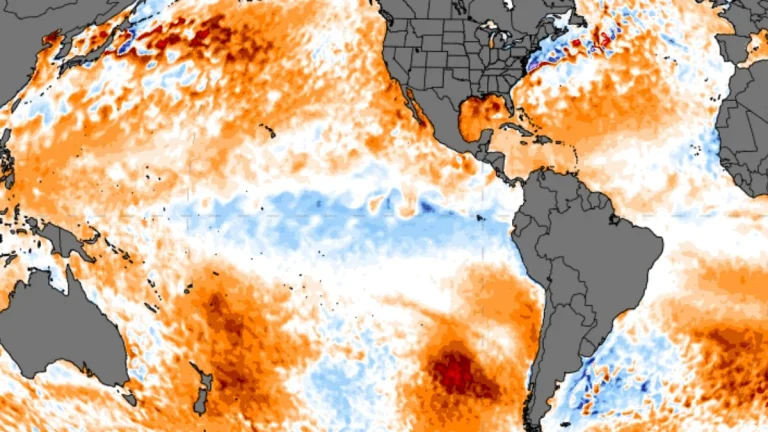
    La Niña conditions in the equatorial Pacific show signs of a transition toward ENSO-neutral conditions, with potential for El Niño development later in 2026. Observations from the National Oceanic and Atmospheric Administration (NOAA) and the European Centre for Medium-Range Weather Forecasts (ECMWF) show subsurface ocean warming and westerly wind anomalies across the central Pacific, indicating the breakdown of the three-year La Niña phase.

  • Polar Vortex disruption expected after January stratospheric warming

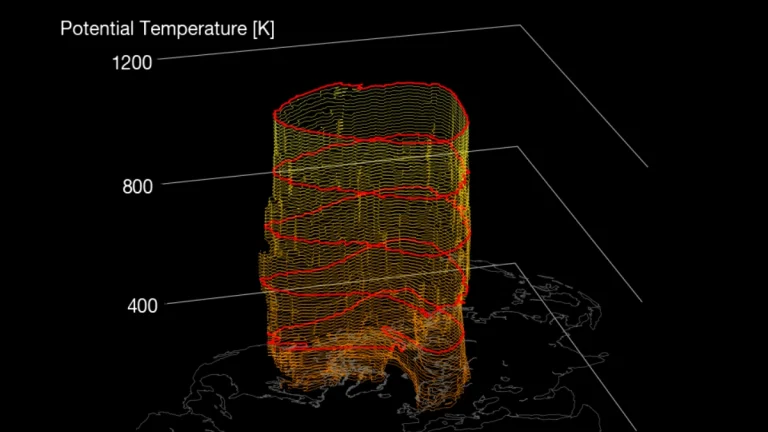
    A Sudden Stratospheric Warming (SSW) event evolving over the Arctic through mid-January 2026 is forecast to weaken and displace the Polar Vortex, according to ECMWF and NOAA extended-range guidance. The disturbance is expected to propagate downward over the following weeks, raising the probability of Arctic air outbreaks and colder-than-normal conditions in parts of North America and Europe during the second half of January 2026.

  • Weak La Niña to end as ocean warming signals new El Niño phase in 2026

    Forecast models suggest that El Niño conditions are likely to develop during 2026, marking a shift from the ongoing weak La Niña. The transition is expected to influence jet stream patterns and temperature anomalies across the United States, Canada, and Europe, potentially reshaping rainfall distribution and winter storm activity in the Northern Hemisphere.

  • Strong North Pacific SST anomaly raises probability of colder winter 2025/26 in U.S. and Canada

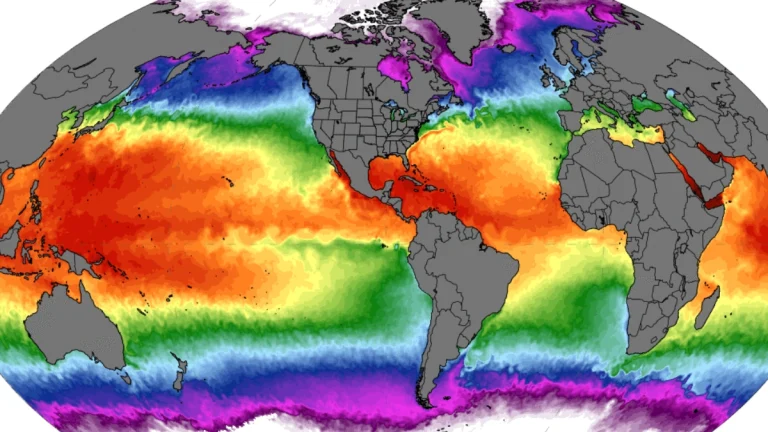
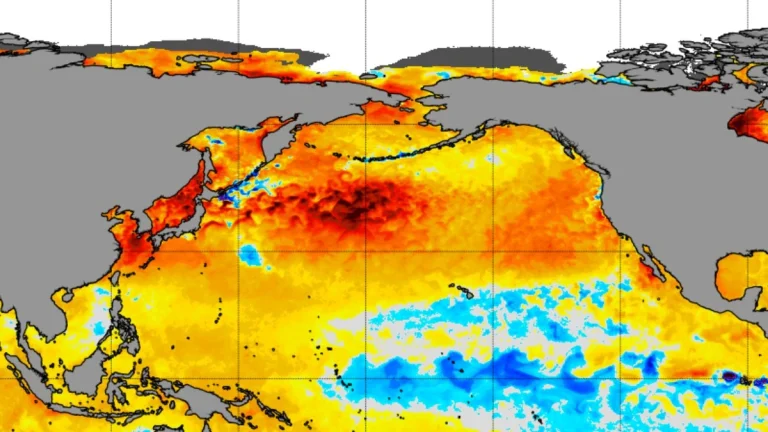
    A large sea surface temperature anomaly has developed in the North Pacific Ocean, extending toward the U.S. West Coast. Forecasts suggest the anomaly could help trigger colder-than-average conditions across central and eastern United States and Canada during the upcoming 2025/26 winter season, with a weak La Niña further reinforcing the setup.