• Typhoon Dujuan leaves 12 dead and 3 missing, record rain, floods and landslides hit Japan

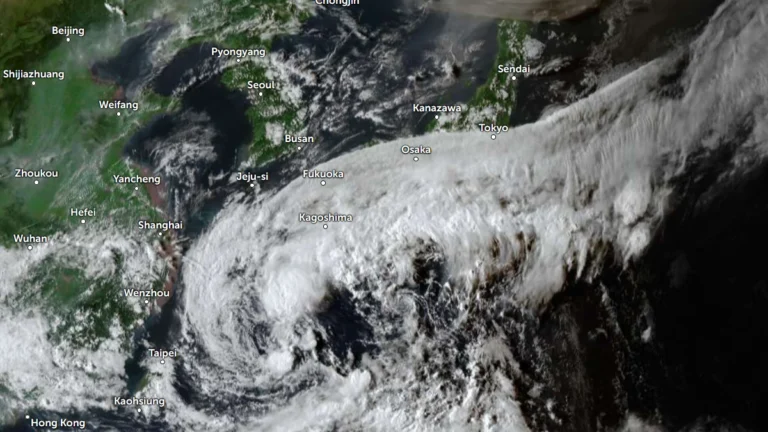
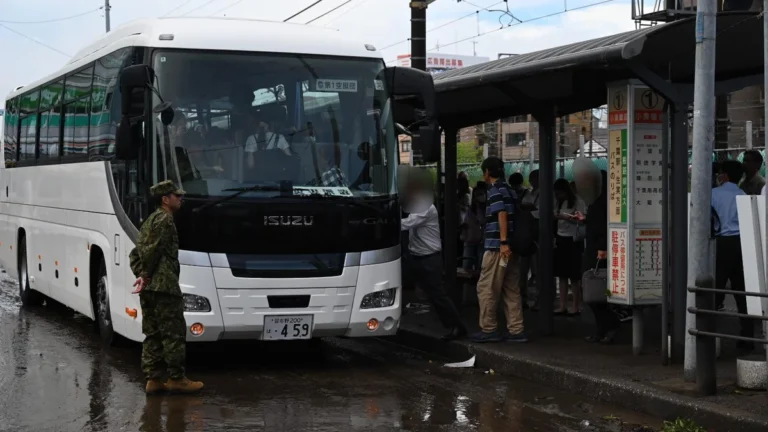
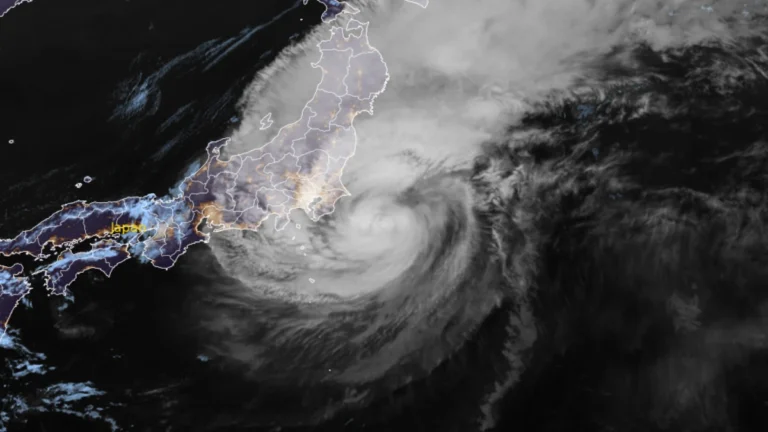
    Heavy rainfall from Typhoon Dujuan caused flooding and landslides across eastern Japan on September 21 and 22, 2026. Japan’s Fire and Disaster Management Agency (FDMA) reported 12 deaths and three people missing nationwide as of September 24. Seven deaths were recorded in Chiba, four in Kanagawa and one in Miyazaki, while searche and rescue operations continued in Chiba and Kanagawa.48-hour rainfall total reached 832 mm (32.76 inches) at Oshima, Tokyo setting an all time record for the station.

  • Typhoon Dujuan brings record rainfall to eastern Japan, JMA issues Level 5 landslide warning for Oshima

    Rainfall on Oshima reached 600 mm (23.6 inches) in the 24 hours ending at 14:00 LT (05:00 UTC) on September 21, 2026, as Typhoon Dujuan passed the Izu Islands and approached eastern Japan. The record September rainfall prompted a Level 5 landslide special warning, while flooding, landslides and transport disruption affected parts of the Kanto region.

  • Record rainfall floods roads and disrupts rail services in Nagoya, Japan

    Nagoya recorded 104.5 mm (4.1 inches) of rain in one hour on September 8, 2026, setting an all-time station record as flooding disrupted roads and rail services. Nagoya City issued Level 5 Emergency Safety Measures for communities along the Kanare, Yada and Ueda rivers, while the Japan Meteorological Agency and the Ministry of Land, Infrastructure, Transport and Tourism issued a Level 5 flood special warning for the Shonai River system at 18:20 LT (09:20 UTC). The municipal Level 5 measures were downgraded at 22:25 LT (13:25 UTC), while local media reported four injuries across Aichi Prefecture.

  • Level 5 Emergency Warnings for landslides issued for Niijima, record rain lashes Oshima and Toshima, Japan

    The Japan Meteorological Agency (JMA) issued Level 5 Emergency Warnings for landslides in Niijima Village, Oshima Town and Toshima Village in Tokyo’s Izu Islands on September 7, 2026, after 24-hour rainfall totals broke records at multiple stations. Niijima recorded 485 mm (19.1 inches), while the main Oshima station received 581.5 mm (22.9 inches), its highest September total on record. Separately, Iwaki City in Fukushima Prefecture issued a citywide Level 4 Evacuation Instruction and listed one death in its final disaster report, according to the Fire and Disaster Management Agency (FDMA).

  • Record rainfall brings landslides and infrastructure disruption to Yakushima, Japan

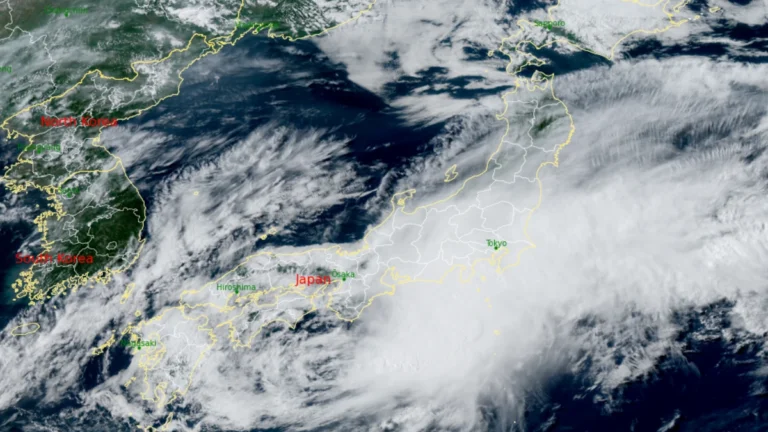
    Record rainfall associated with Typhoon No. 24 and an autumn-rain front affected Yakushima Town, Kagoshima Prefecture, from September 4 to September 5, 2026, with 24-hour rainfall at Onoaida reaching 490.5 mm (19.31 inches) by 05:30 JST. The Japan Meteorological Agency issued a Level 5 Landslide Disaster Special Warning at 05:10 before replacing it with a Level 4 warning at 11:30, while authorities reported landslides, water outages affecting as many as 289 households, and large amounts of driftwood at Miyanoura Port.

  • Record rainfall, floods and outages hit Chiba, leaving at least 8 dead, Japan

    Eight people were confirmed dead after record rainfall caused widespread flooding across Chiba Prefecture, Japan, on August 13 and 14, 2026, according to prefectural and municipal authorities. At 06:00 LT on August 14, 7 359 people were sheltering at 359 sites in 39 municipalities, while emergency and evacuation measures remained in force.

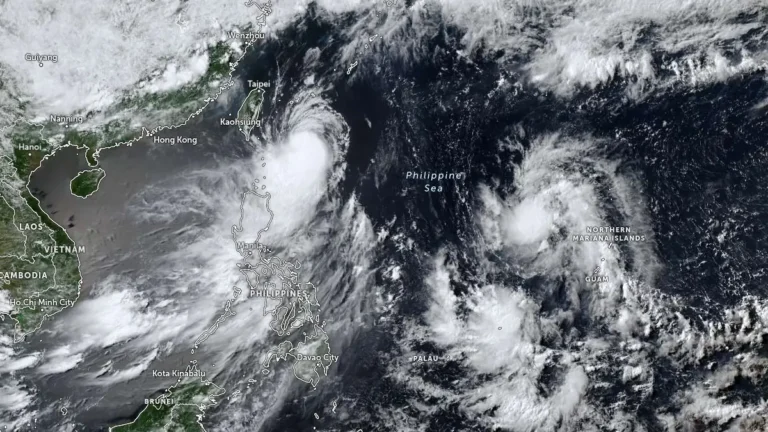
  • Typhoon Dolphin strengthens near Okinawa, 5 injured as China braces for landfall

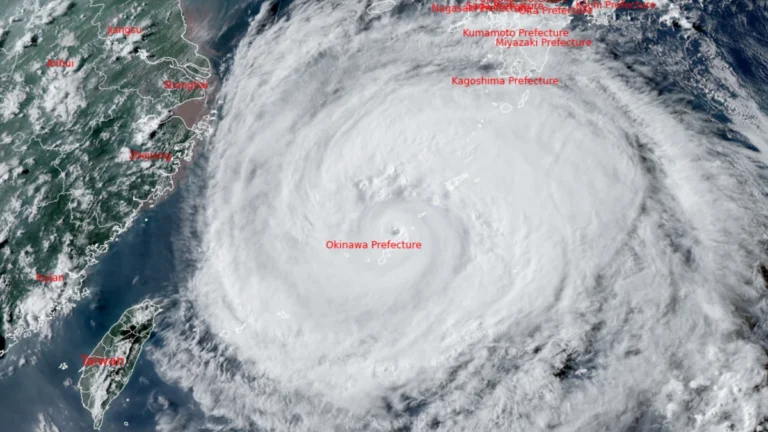
    Typhoon Dolphin re-intensified while passing close to northwestern Okinawa on August 7, 2026, leaving at least five people injured, five homes partially damaged and 16 920 households without power. China’s National Meteorological Center (NMC) said the typhoon could strengthen further before making landfall between Zhejiang and northern Fujian from the afternoon of August 9 to the morning of August 10, with eastern Zhejiang potentially receiving more than 600 mm (23.6 inches) of rain through August 10.

  • Japan records unprecedented five-day streak of temperatures reaching 40°C (104°F), the longest on record

    Japan recorded temperatures of 40°C (104°F) or higher for the fifth consecutive day on July 25, 2026, marking the country’s longest such streak on record as an exceptionally persistent heatwave continued under a dominant Pacific high-pressure system. Heatstroke alerts remained in effect across much of the country, while additional climatological analysis suggests this summer is already approaching last year’s record number of locations reaching the 40°C (104°F) threshold.

  • Floods kill 3 in Taiwan and Japan as Mekkhala and Higos fuel heavy rain and landslides

    Flooding triggered by Tropical Storm Mekkhala killed two people in Taiwan after nearly 1 m (3 ft) of rain inundated parts of the island on Friday, June 26, 2026.Meanwhile, one fatality was reported in Japan which remained on high alert for flooding and landslides as tropical moisture from Mekkhala and Tropical Storm Higos interacted with the seasonal Baiu rain front, prompting evacuations, transport disruptions and widespread weather warnings.