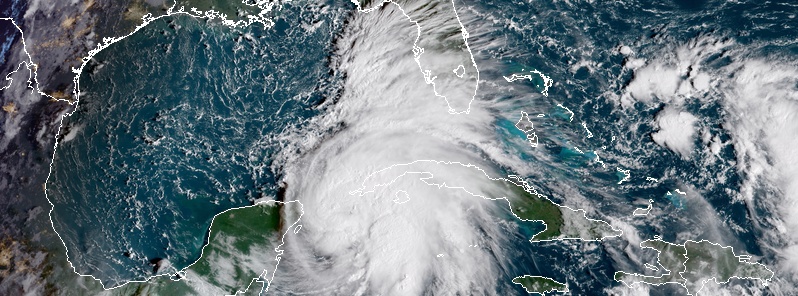
• Tornado threat forecast as Hurricane Isaias strengthens ahead of northern Gulf Coast landfall, United States

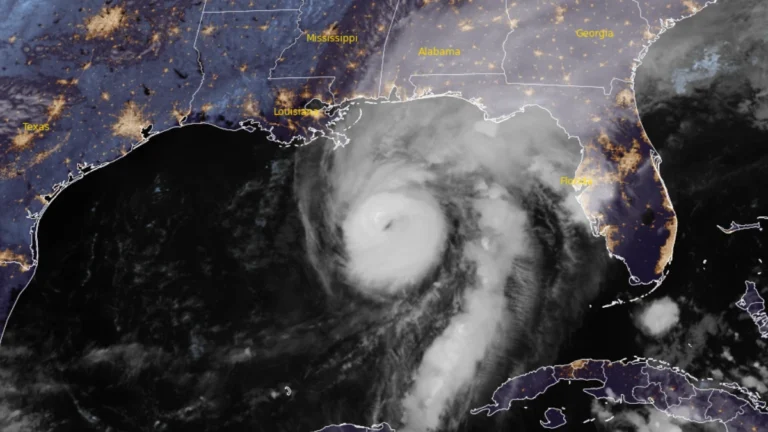
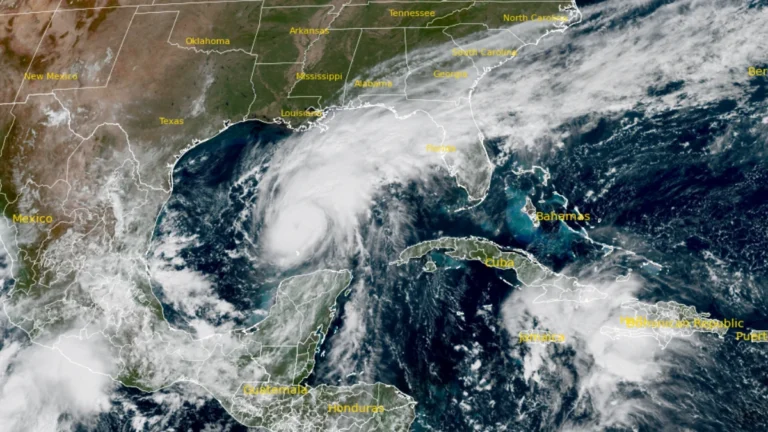
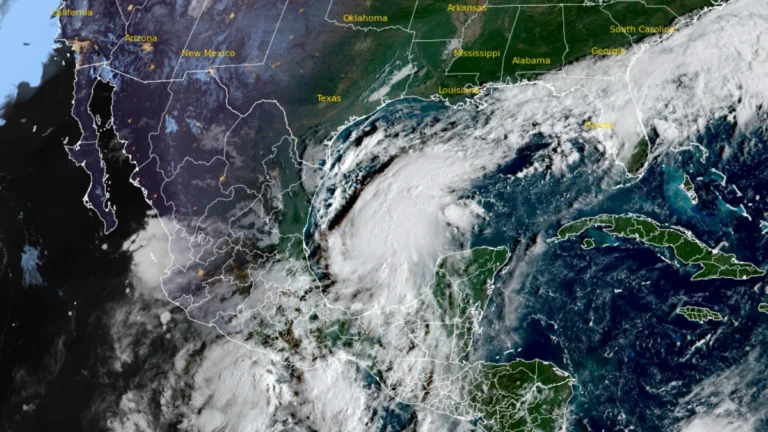
    The Storm Prediction Center (SPC) issued a Slight Risk of severe thunderstorms for parts of the Florida Panhandle, southeastern Alabama, and southwestern Georgia on October 9, 2026, as rainbands from Hurricane Isaias were forecast to bring a tornado threat from the afternoon into the overnight hours. At 09:00 UTC, the National Hurricane Center (NHC) said Isaias had strengthened to 175 km/h (110 mph), with a minimum central pressure of 963 hPa, ahead of an expected northern Gulf Coast landfall Friday night or early Saturday.
  • Life-threatening storm surge of up to 2 m (7 feet) forecast as Hurricane Isaias approaches U.S. Gulf Coast

    Life-threatening storm surge is forecast along the northern U.S. Gulf Coast as Hurricane Isaias approaches landfall. NHC said water could rise 1.5–2 m (5–7 feet) above ground between Ocean Springs, Mississippi, and Indian Pass, Florida, and within Mobile Bay if the peak surge coincides with high tide.saias is forecast to produce 75–180 mm (3–7 inches) of rain from southeastern Louisiana to Florida’s Big Bend from Friday through the weekend, with localized totals approaching 380 mm (15 inches) in the Florida Panhandle and Big Bend. NHC warned of considerable flash and urban flooding and significant river flooding.

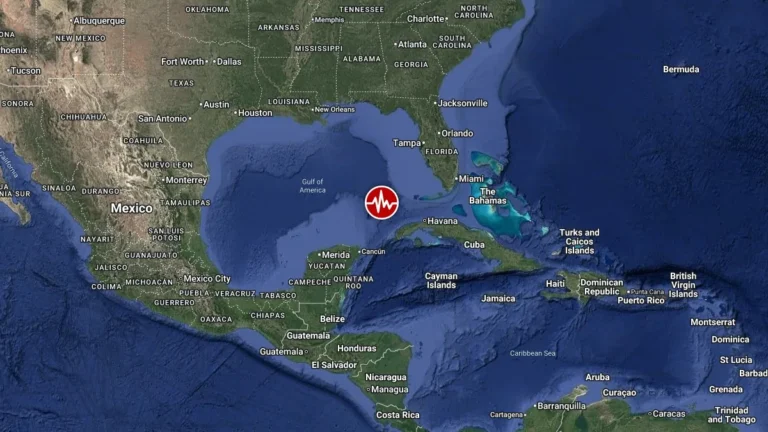
  • Strong and shallow M6.1 earthquake hits Cuba region

    A strong and shallow earthquake registered by the USGS as M6.1 hit the Cuba region at 18:00 UTC on June 8, 2026. The agency is reporting a depth of 10 km (6.2 miles). EMSC is reporting M6.1 at a depth of 13 km (8 miles). According to PTWC, there is no significant tsunami threat from this earthquake.

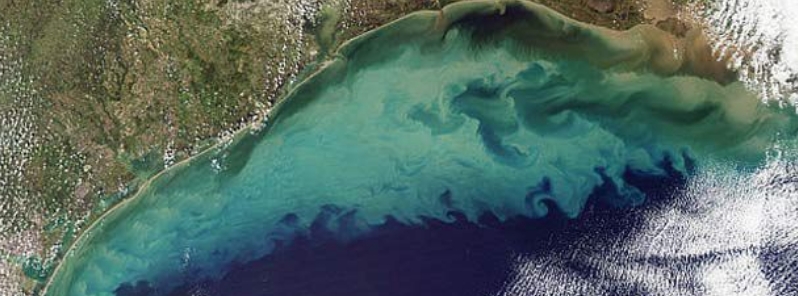
  • NOAA reports 2024 ‘dead zone’ in Gulf of Mexico larger than average

    The Gulf of Mexico’s “dead zone,” an area with dangerously low oxygen levels, spans approximately 17 365 km2 (6 705 miles2) this year, making it the 12th largest recorded in 38 years, according to NOAA-supported scientists. This expanse threatens over 1.6 million ha (4 million acres) of marine habitat, an area comparable to the size of New Jersey.

  • NOAA predicts very large 2019 dead zone for the Gulf of Mexico

    NOAA scientists are forecasting 2019 Gulf of Mexico hypoxic zone, or dead zone, to be very large – approximately 20 277 km2 (7 829 mi2). Dead zones are areas of low to no oxygen that can kill fish and other marine animals. Considered one of the world’s…