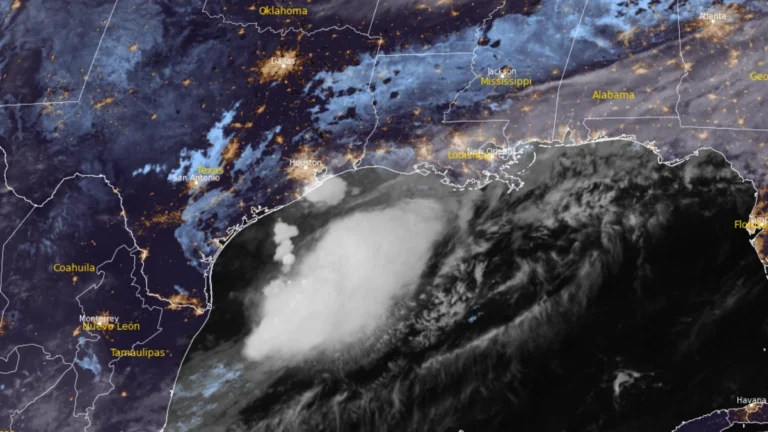
• Flood threat expands along Gulf Coast as Potential Tropical Cyclone One nears Louisiana

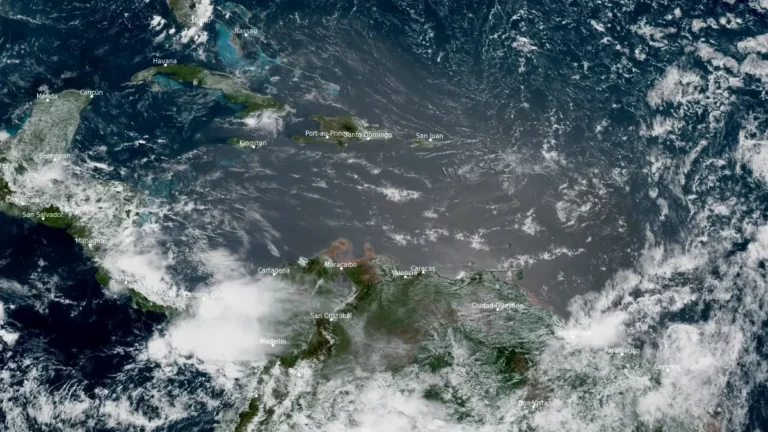
    Heavy rainfall, flash flooding, storm surge, and isolated tornadoes are expected across portions of the Gulf Coast as Potential Tropical Cyclone One tracks along the Texas coast on June 17, 2026. While the system is unlikely to develop into a tropical cyclone, it could bring rainfall totals of up to 500 mm (20 inches) to some areas along with the severe weather.

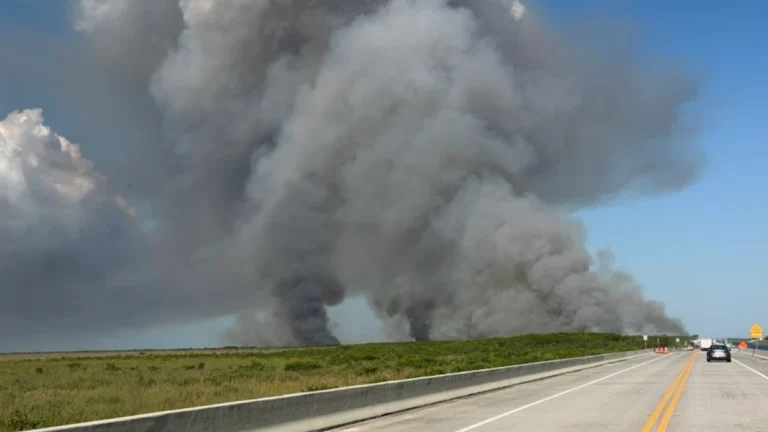
  • Major Georgia wildfires destroy 143 structures amid severe drought

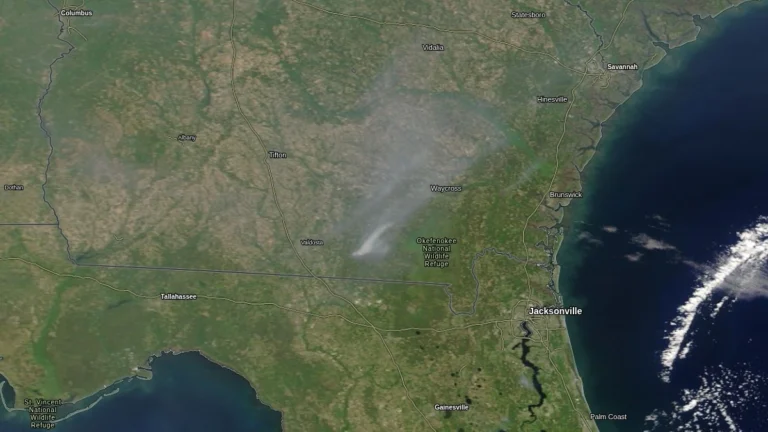
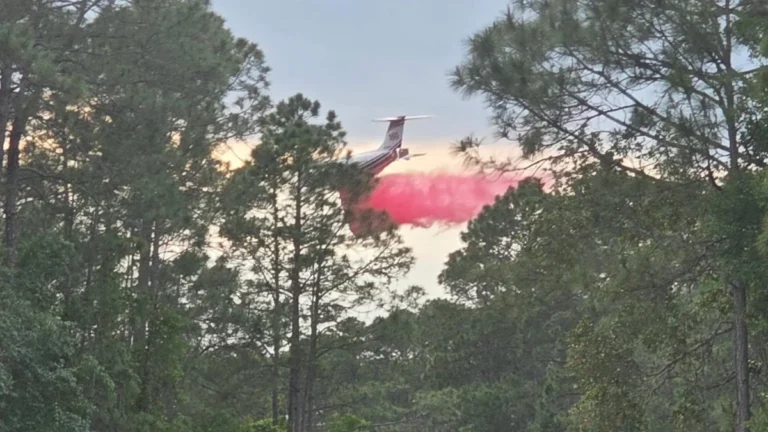
    Two major wildfires in southeast Georgia have burned over 16 000 ha (40 000 acres) and destroyed 143 structures by April 25, 2026, with federal fire officials reporting extreme fire behavior near the Florida line. The Highway 82 Fire in Brantley County and the Pineland Road Fire in Clinch and Echols counties remained 10% contained, with evacuations and road closures in effect.

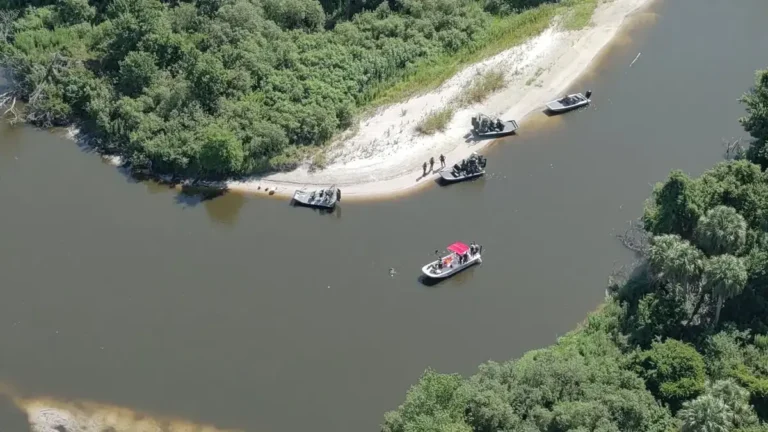
  • Wildfires disrupt Amtrak rail services and strand passengers in Florida

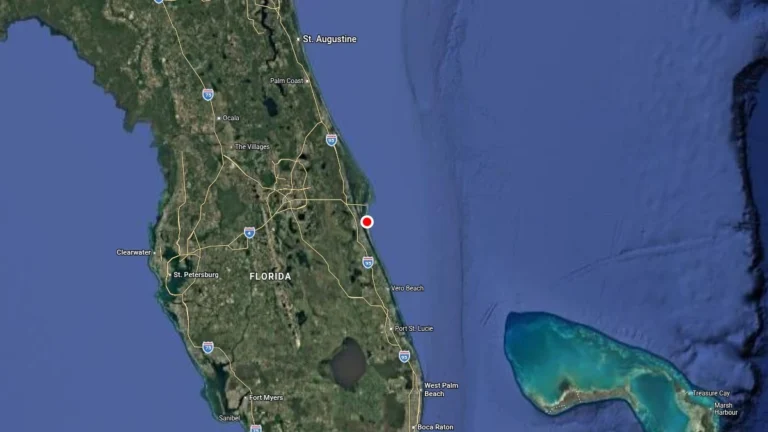
    Amtrak partially suspended rail operations in Florida on April 20, 2026, due to wildfires in Putnam and Clay counties, which have burned approximately 1 093 – 1 214 ha (2 700 – 3 000 acres). Passenger trains were halted as a precaution, including Train 98 from Miami to Jacksonville carrying 232 passengers.

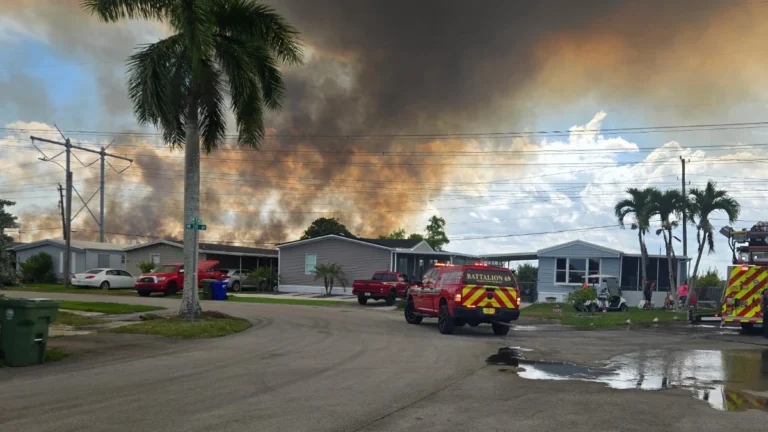
  • Early-season wildfires surge across the United States with over 611 000 ha (1.51 million acres) burned year-to-date

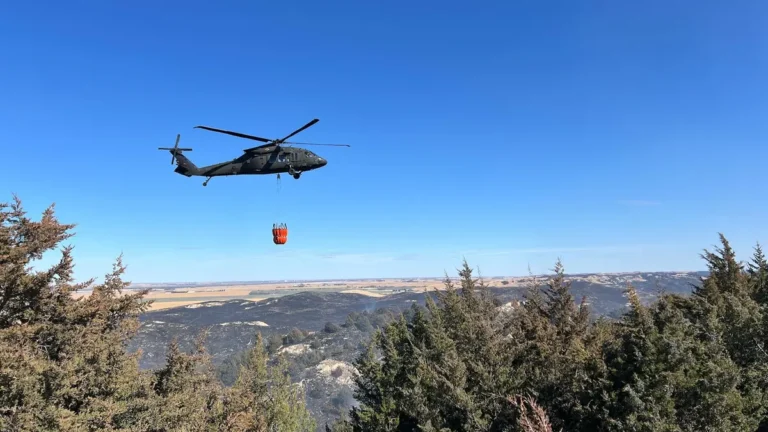
    Wildfire activity intensified across the United States in March 2026, with 44 large fires burning approximately 399 800 ha (987 989 acres) as of March 27. Since January 1, more than 611 000 ha (1.51 million acres) have burned from 15 436 fires, well above the 10-year average, while evacuations, burn bans, and localized impacts were reported as containment improved in several key incidents by March 29.

  • Severe drought triggers water restrictions in Southwest Florida

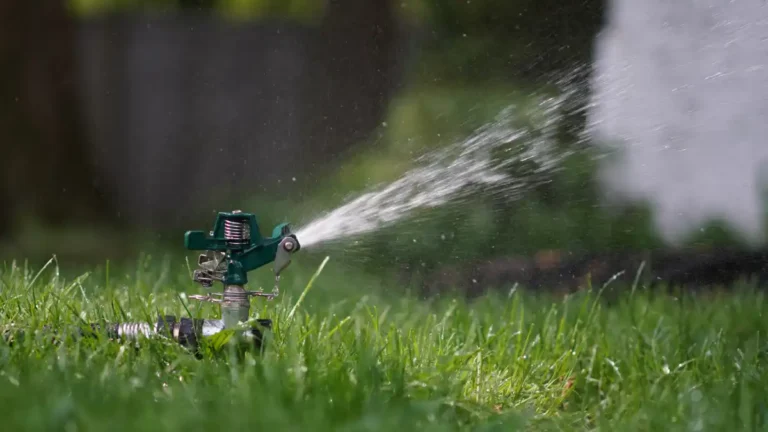
    Modified Phase III “Extreme” Water Shortage restrictions will take effect across the Southwest Florida Water Management District region on April 3, 2026, following severe drought conditions and declining water supplies. The order imposes one-day-per-week irrigation limits and additional conservation measures, with stricter enforcement and localized rules implemented by utilities such as Pinellas County.