11 rescued, 2 injured after boat capsizes near Fort Myers, Florida
At least 11 people were rescued by Lee County, with two sustaining injuries after a pontoon boat capsized near the Fort Myers Beach, Florida, on March 24, 2026.

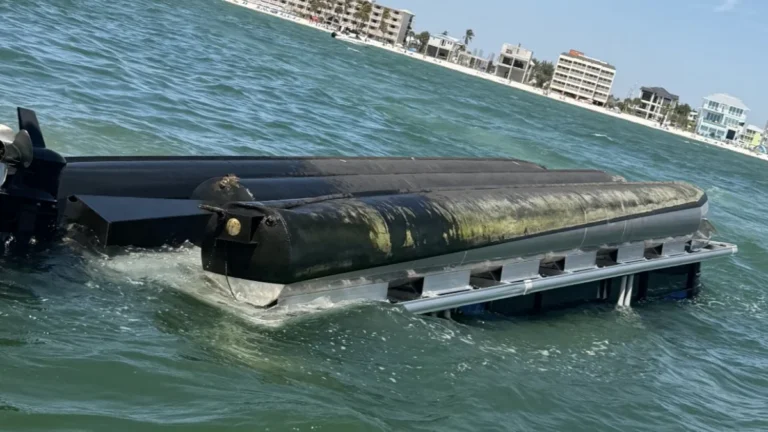
At least 11 people were rescued by Lee County, with two sustaining injuries after a pontoon boat capsized near the Fort Myers Beach, Florida, on March 24, 2026.

Over USD 3 billion worth of crop losses were reported across Florida due to freeze conditions triggered by winter storms Ezra and Gianna, between December 30, 2025 and February 4, 2026. The freeze affected 66 of the state’s 67 counties and impacted multiple agricultural sectors during peak production periods
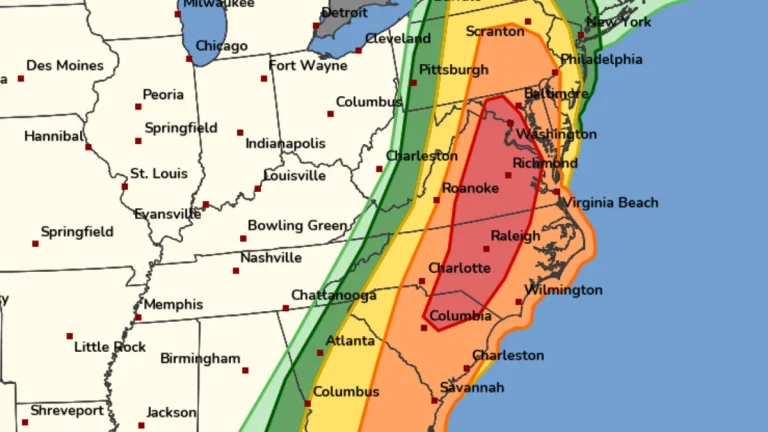
A Moderate Risk (Level 4 of 5) for severe thunderstorms has been issued across parts of the Mid-Atlantic United States for Monday, March 16, 2026, as a powerful multi-hazard storm threatens over 100 million people across the U.S. Fast-moving storms capable of producing damaging winds and a few strong tornadoes are forecast to develop from the Carolinas into Virginia and Maryland during the afternoon and evening hours. A Moderate Risk is an unusually high severe weather category for the Mid-Atlantic and is not issued often for this region. The National Weather Service office serving the Washington, D.C. area described the setup as a “quite rare Day 2 Moderate Risk area” ahead of the event.
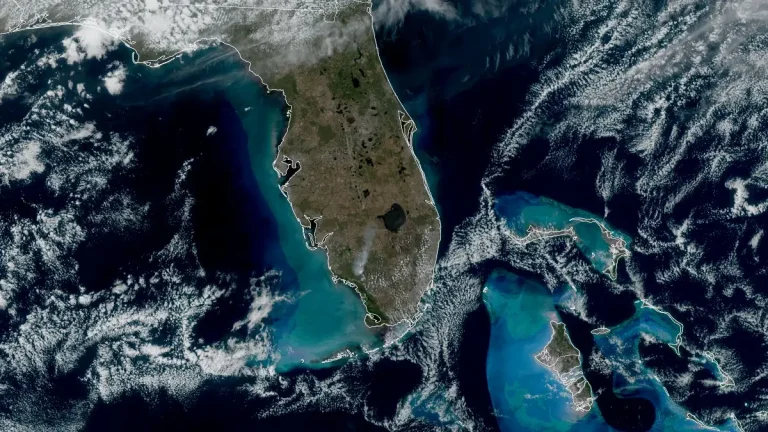
A fast-moving wildfire known as the National Fire burned approximately 10 117 ha (25 000 acres) in Big Cypress National Preserve, Collier County, Florida, between February 22 and 25, 2026, expanding from about 405 ha (1 000 acres) and remaining at 0% containment. The fire spread under extreme drought conditions, affecting nearly all of Florida. Smoke reduced visibility along Interstate 75 (Alligator Alley), State Road 29, and U.S. 41, prompting transportation advisories and area closures.
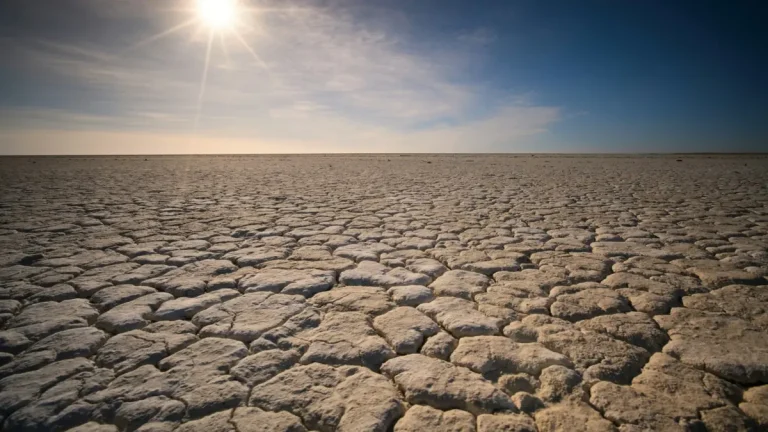
Florida has entered its worst drought in 25 years, with 100.00% of the state classified in drought categories D0–D4, according to the U.S. Drought Monitor. Severe to extreme drought now covers 85.46% of the state, marking the most extensive spatial coverage since the 2000–2001 drought event.
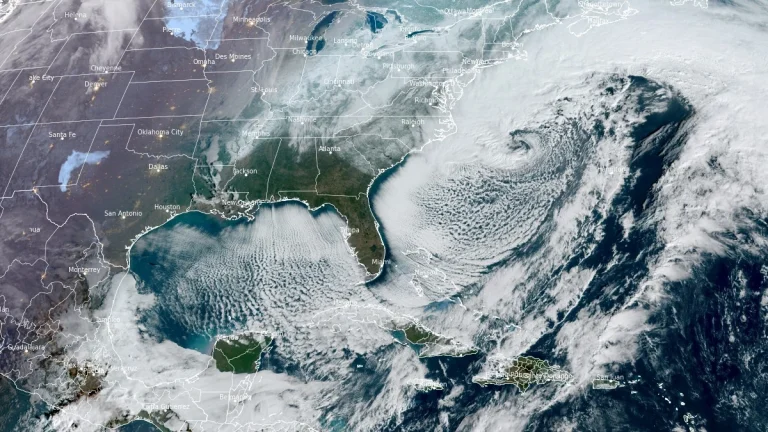
Record-breaking cold affected nearly all of Florida at dawn on February 1, 2026, when minimum temperatures fell to between −5 and −3°C (26–23°F) across central and eastern regions. The National Weather Service Melbourne Office reported that daily records were broken or tied at all of their official climate observation sites, including Orlando, Daytona Beach, Sanford, Melbourne, Vero Beach, and Fort Pierce.
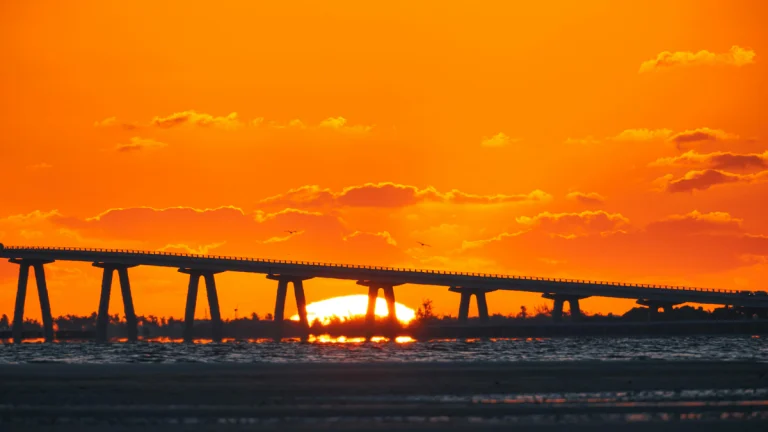
West Palm Beach, Florida, recorded a maximum temperature of 32.2°C (90°F) at 13:27 LT (18:27 UTC) on January 26, 2026, breaking the previous daily record of 30°C (86°F) set in 1965, according to the National Weather Service (NWS). The value was 15°F (8°C) above the 1991–2020 normal maximum of 24°C (75°F), ranking among the highest January readings on record in the city’s 1888–2026 climate archive.
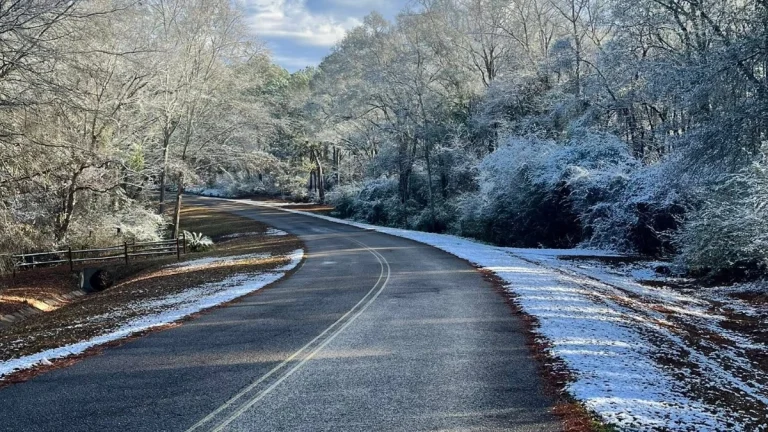
Rare snow fell across parts of Florida’s Panhandle early on January 18, 2026, marking the second consecutive winter with measurable snowfall in the state. 2.3 mm (0.09 inches) of snow was recorded at Pensacola International Airport on the morning of January 18.

Freeze warnings and cold weather advisories are in effect across Florida, southeast Georgia, and southern Texas from late January 18 through the morning of January 19, 2026. Sub-freezing temperatures ranging from −4 to -1°C (24–30°F), with wind chills near -6.6°C (20°F), are forecast in some areas during the warning period.
Freeze warnings are in effect across the Florida Panhandle, northern and central counties, and parts of southeast Georgia from 23:00 EST Thursday, January 15, 2026, through 09:00 EST Friday, January 16. Temperatures are forecast to drop as low as −6°C (22°F) in inland areas, producing frost capable of damaging unprotected crops and causing water pipes to freeze and burst.
