
Early-season wildfires surge across the United States with over 611 000 ha (1.51 million acres) burned year-to-date
Wildfire activity remained elevated across the United States in late March 2026, with the National Interagency Fire Center reporting 51 uncontained large fires burning 399 800 ha (987 989 acres) as of March 27. Since January 1, the agency has recorded 15 436 fires that burned about 611 000 ha (1.51 million acres), well above the 10-year average for the same period, as burn bans, evacuations, and localized disruptions continued in several states.
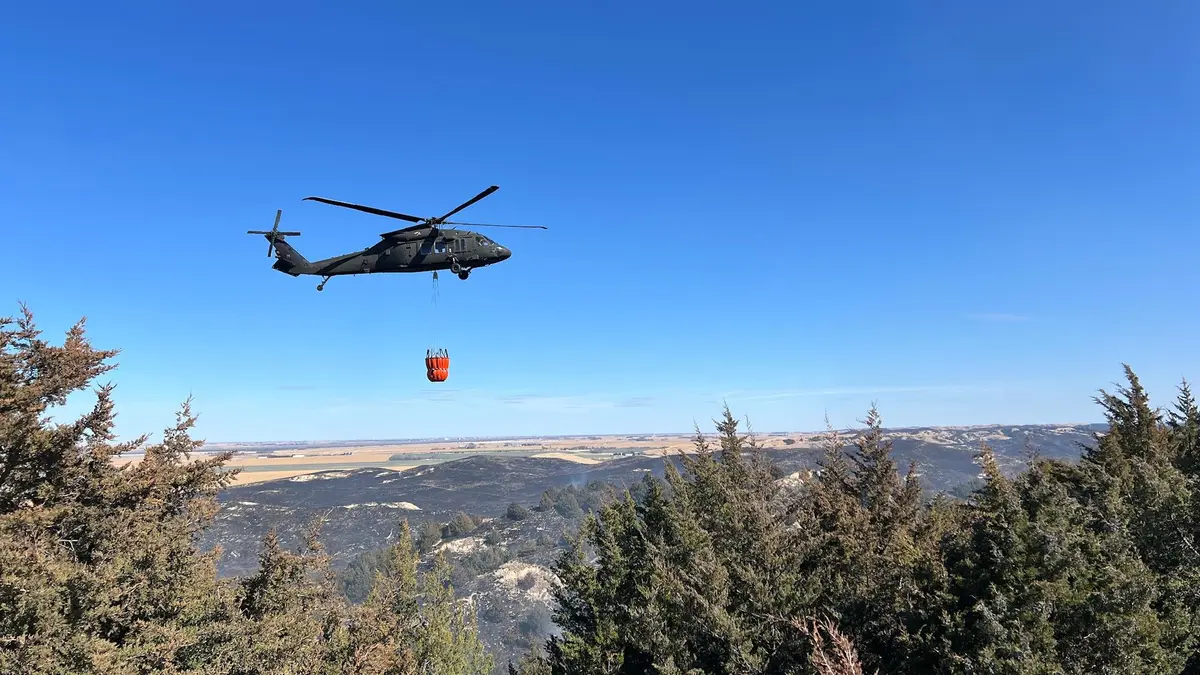
Cottonwood Fire, Nebraska. Credit: InciWeb
Wildfire activity across the United States remained elevated in late March 2026, with NIFC reporting 51 uncontained large fires burning about 399 800 ha (987 989 acres) as of March 27.
Since January 1, the agency has recorded 15 436 fires that burned about 611 000 ha (1.51 million acres), above the 10-year average of 9 195 fires and about 269 000 ha (664 792 acres) for the same period.
Fire activity is concentrated across the Great Plains and parts of the Southeast. NIFC data show Oklahoma reporting 18 large fires, followed by Florida with 4, and Nebraska and Texas with 3 each, alongside multiple other states with active incidents. The agency raised the National Preparedness Level to 2 on March 20.
Fuel conditions across the Plains are historically dry for March. NIFC advisories highlight fire behavior not typically observed at this time of year, with rapid rates of spread driven by dry fuels, strong winds, and low relative humidity.
Forecast conditions continue to support elevated fire danger across large parts of the central and southern United States.
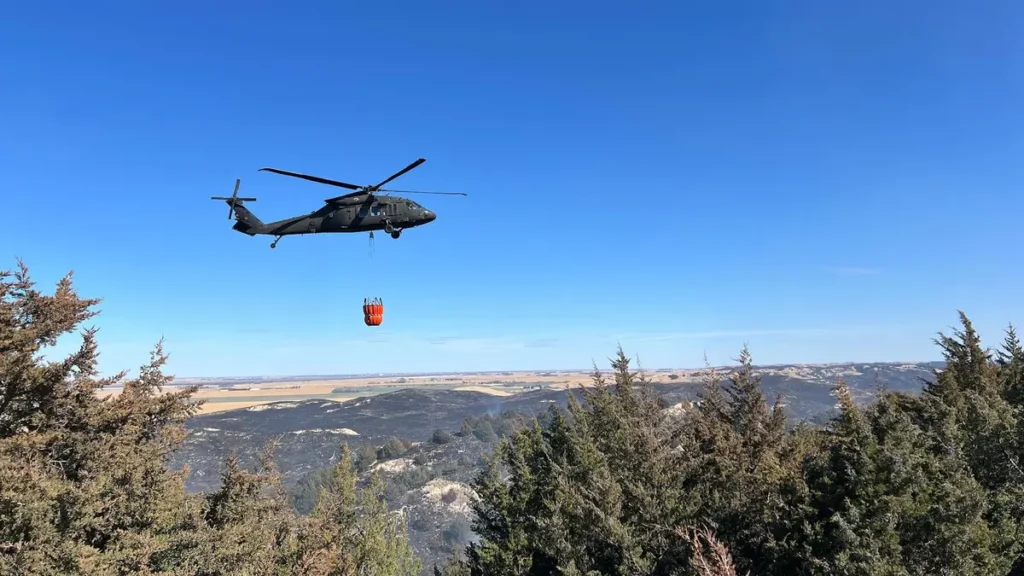
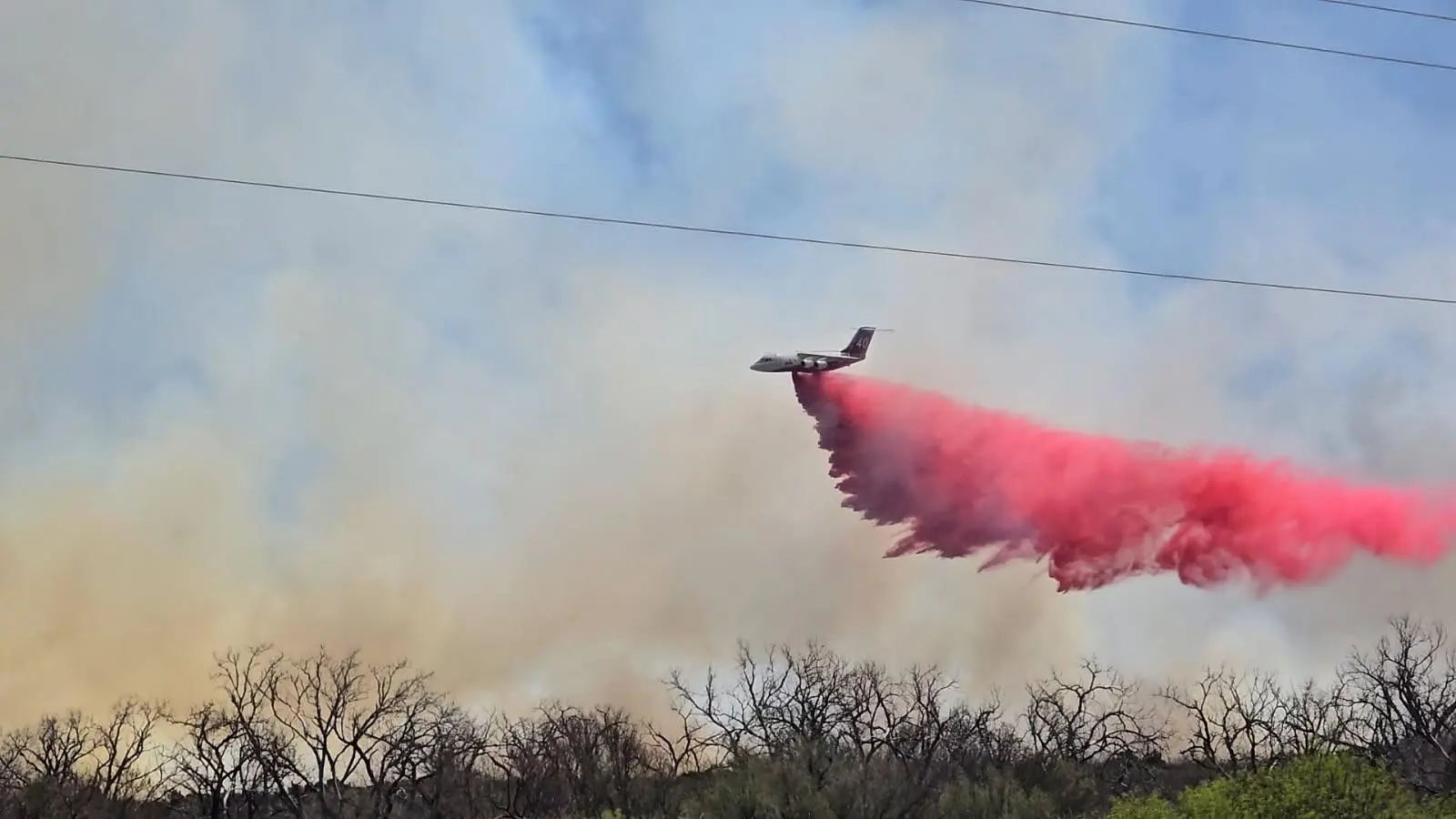
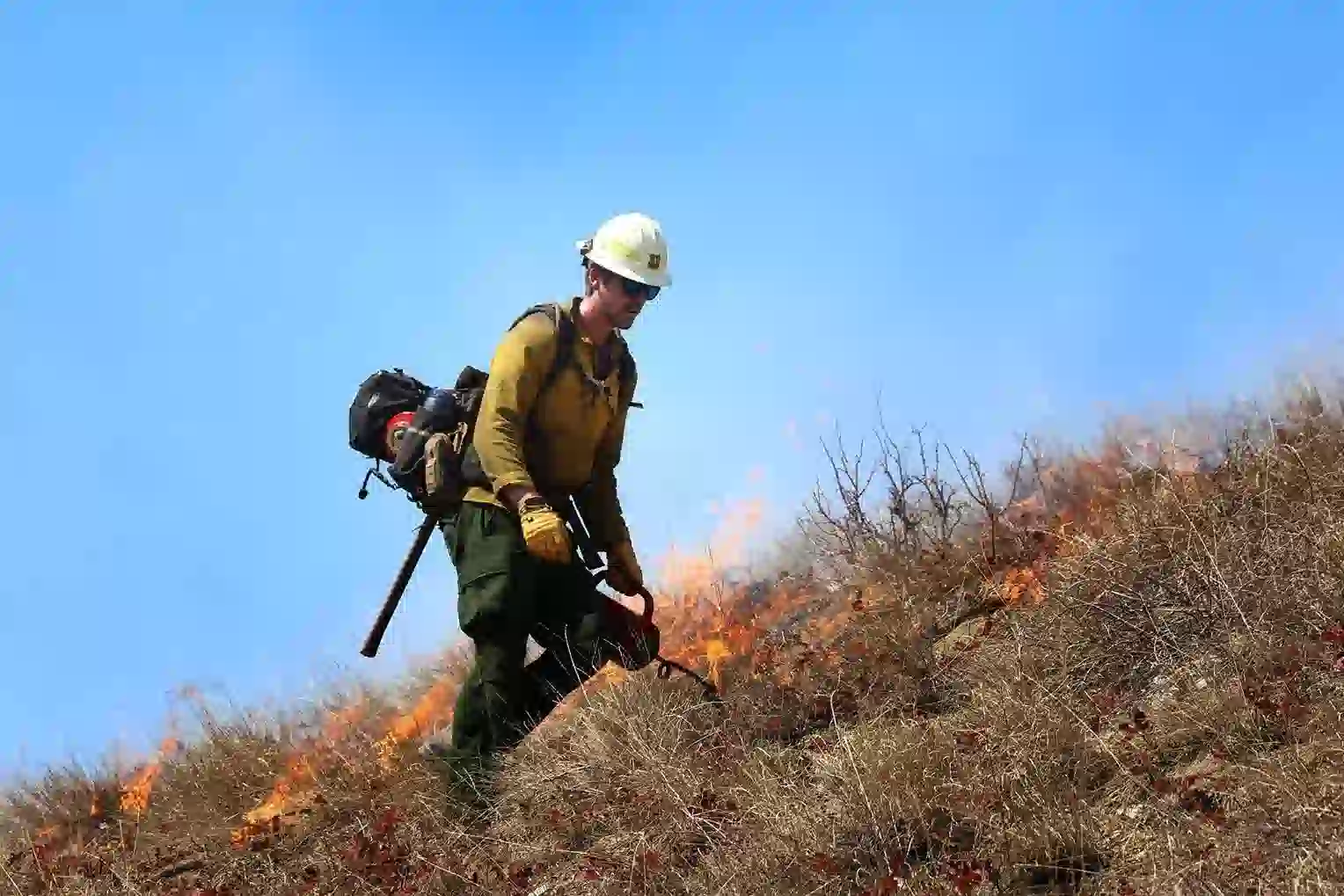
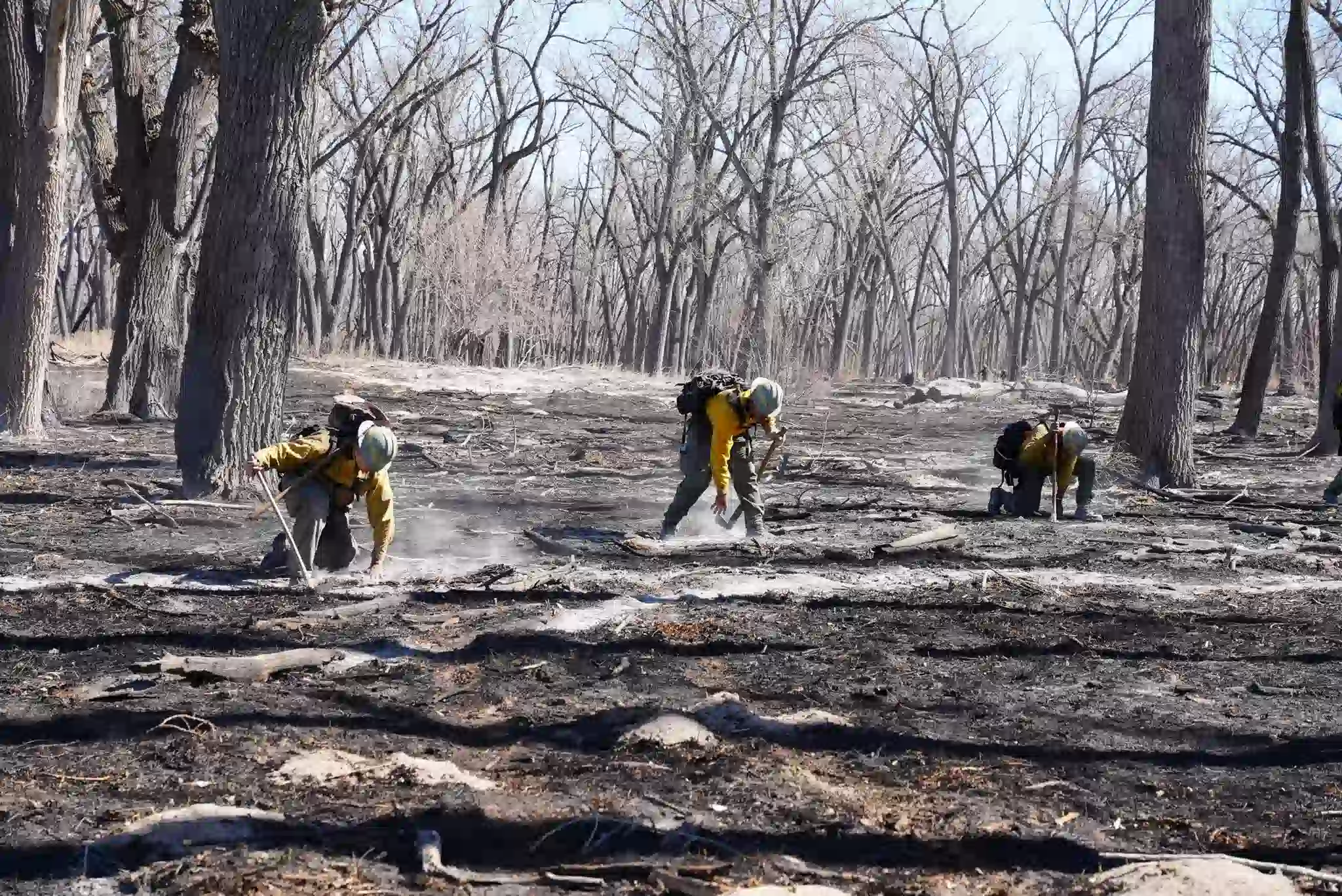
 Bell Fire, Texas. Credit: InciWeb
- Star Valley Front Prescribed Fire, Wyoming. Credit: InciWeb
- Morrill Fire, Nebraska. Credit: InciWeb
- Cottonwood Fire, Nebraska. Credit: InciWeb
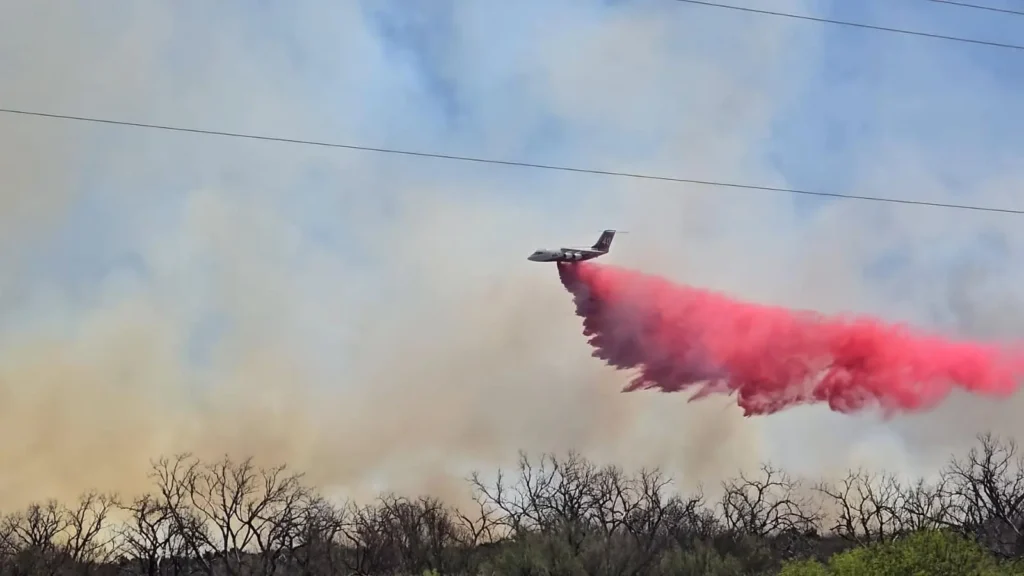
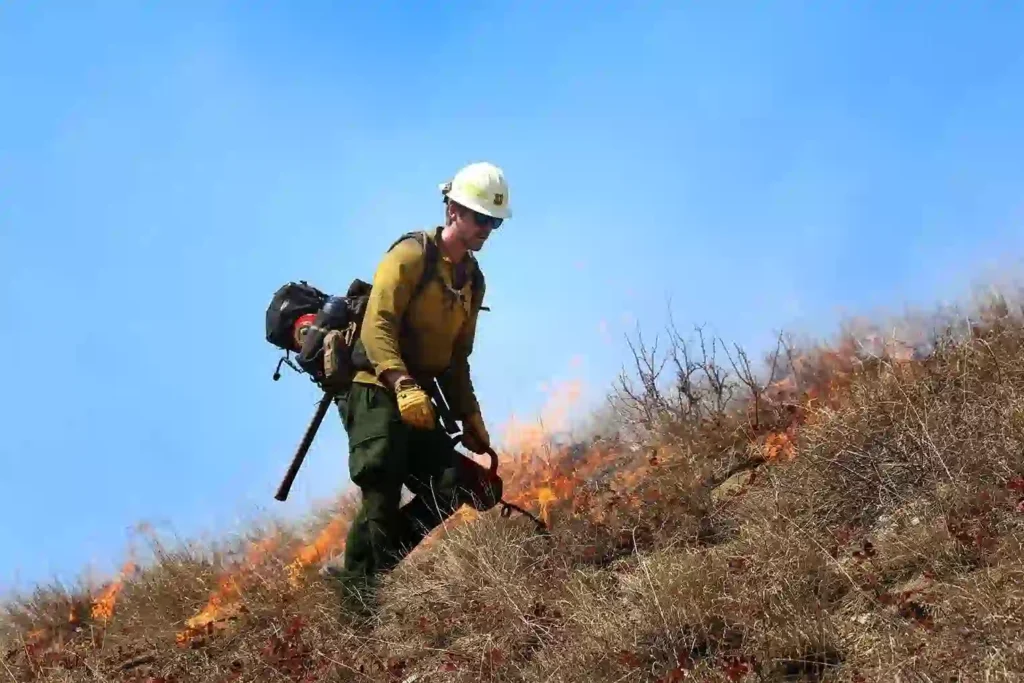
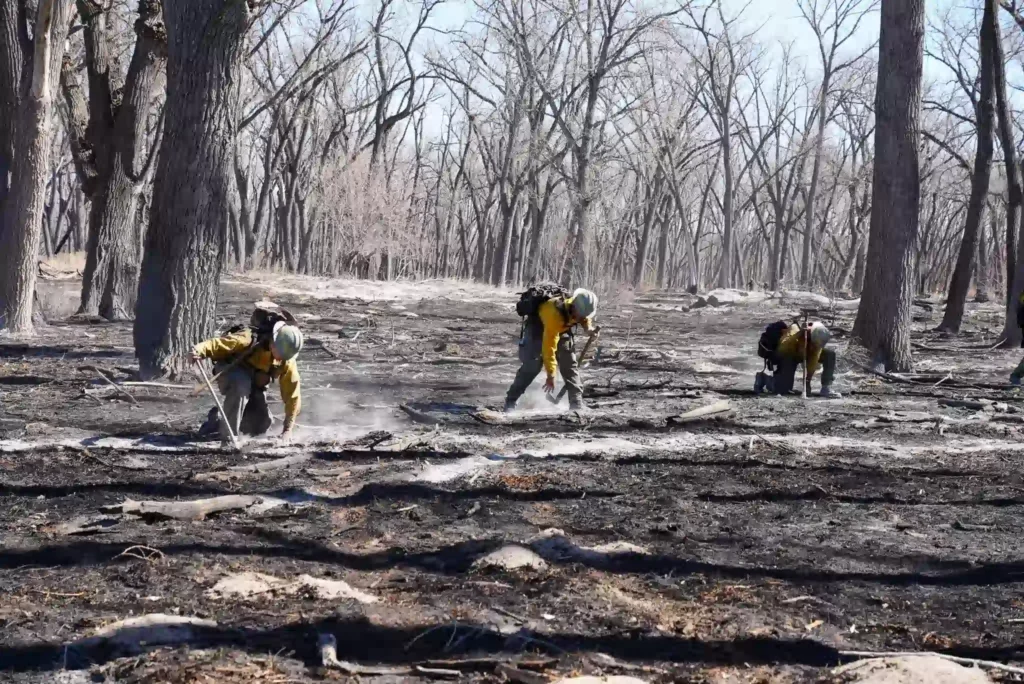
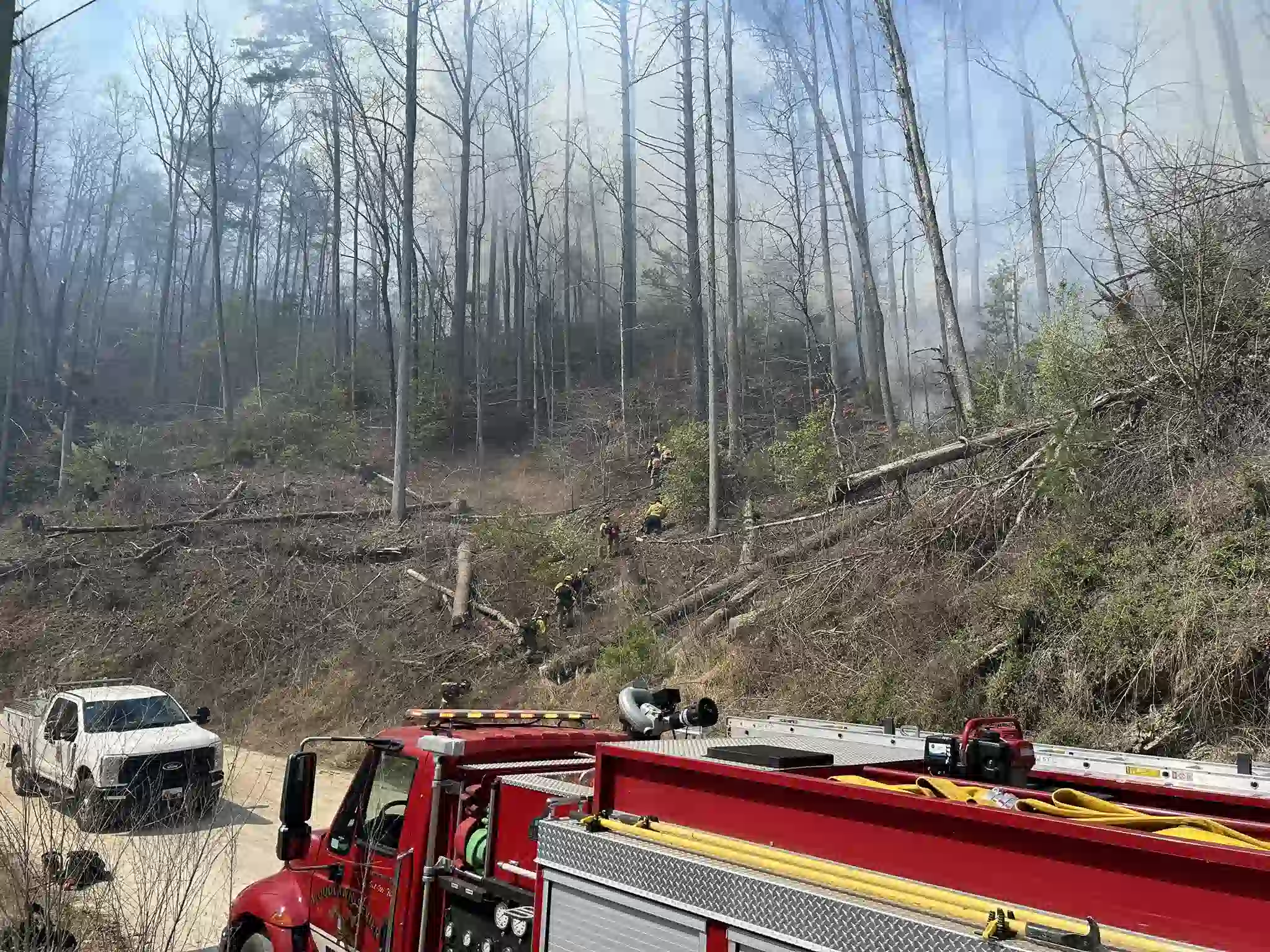
In western North Carolina, firefighters continue to respond to multiple wildfires during a period of high fire danger.
The Poplar Fire in Mitchell County has burned approximately 140 ha (350 acres) and reached about 80% containment, with crews transitioning to mop-up and patrol operations. The fire is burning in areas affected by debris from Hurricane Helene, where downed trees have increased fuel loads.
The Tarkiln Ridge Fire in the Nantahala National Forest burned about 162 ha (400 acres), with containment improving from about 40% on March 27 to roughly 80% by March 28 as crews worked residual heat in smoldering fuels. Smoke effects continued in nearby communities, though conditions were gradually improving.
A statewide burn ban remains in effect in North Carolina following its implementation on March 28, reflecting continued elevated fire risk under dry conditions.
- Wildfire on Armstrong Creek Road. Credit: McDowell County
- Wildfire on Armstrong Creek Road. Credit: McDowell County
- Wildfire on Armstrong Creek Road. Credit: McDowell County
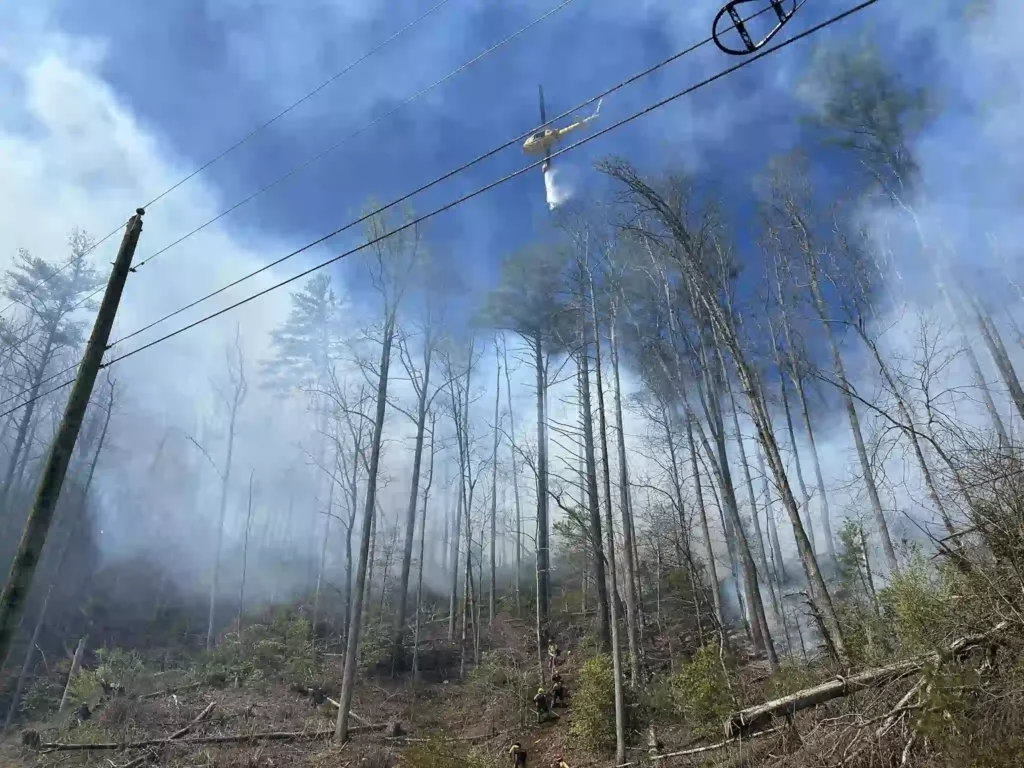
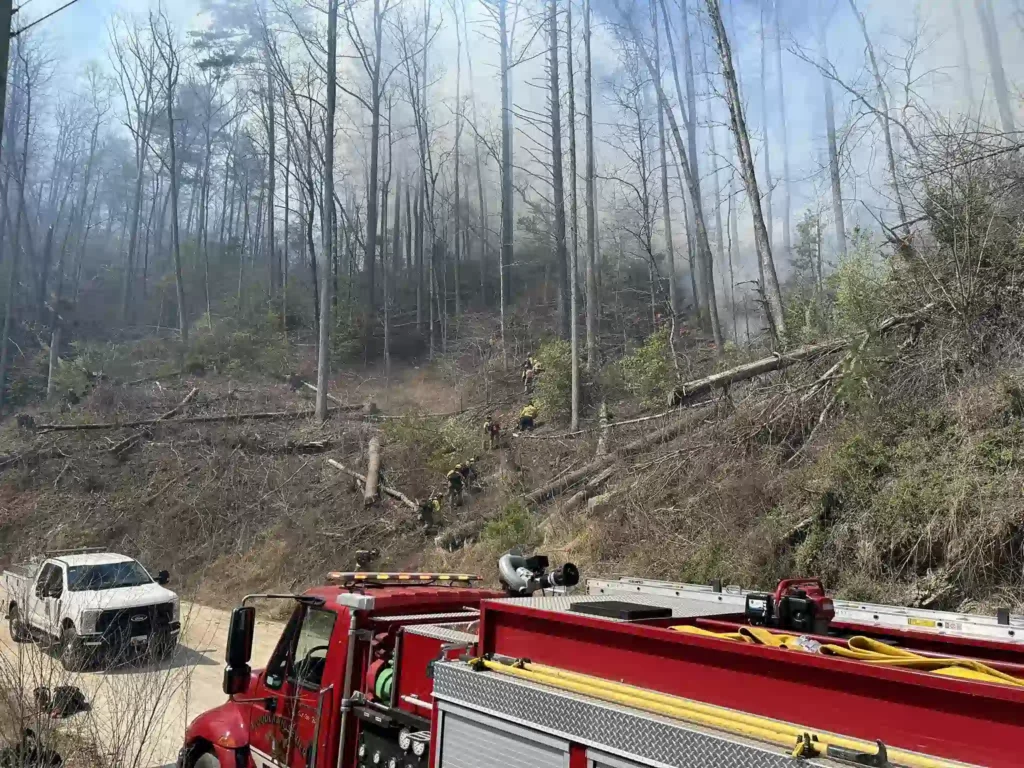
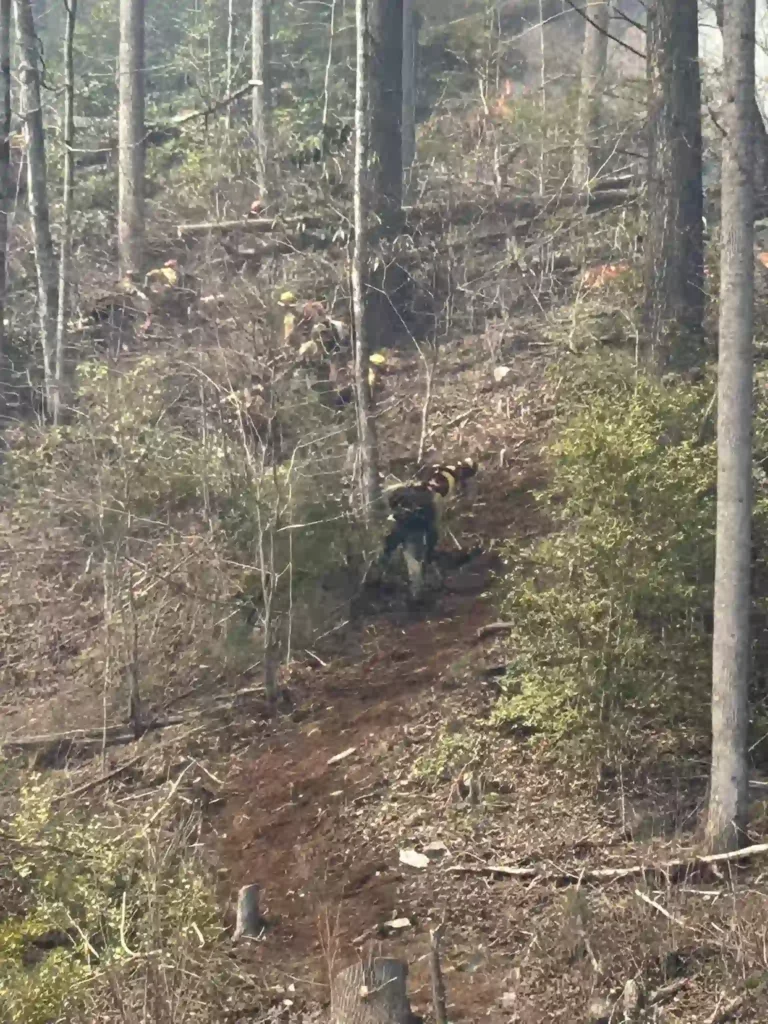
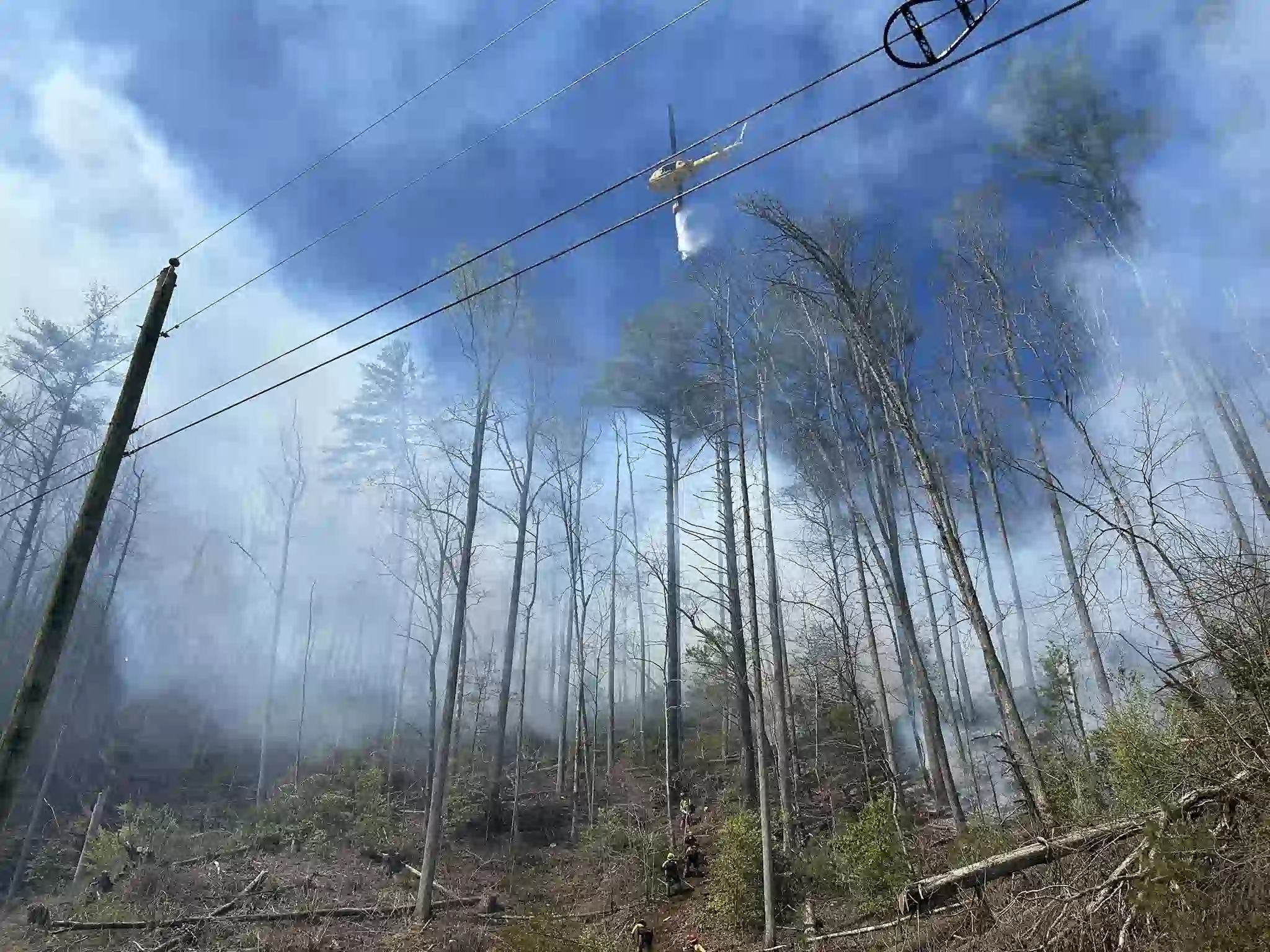

In Oklahoma, the Cedar Canyon Fire near Okeene reached approximately 251 ha (620 acres) and achieved about 70% containment by March 28. The fire previously exhibited extreme wind-driven behavior and prompted evacuations. Five firefighters were injured during operations, and improved conditions have allowed some evacuation orders to be lifted.
In Colorado, the 24 Fire south of Colorado Springs burned approximately 2 990 ha (7 385 acres). Containment lines have been established, and mandatory evacuations have been lifted, with crews continuing to monitor hotspots and secure the perimeter.
Nebraska remains one of the most affected states in terms of total burned area. Earlier in March, the Morrill Fire became the largest wildfire in state history, burning over 242 800 ha (600 000 acres) before reaching near full containment.
Additional fires, including the Cottonwood Fire at approximately 52 200 ha (129 000 acres), the Ashby Fire at approximately 14 600 ha (36 000 acres), and the Minor Fire at approximately 5 700 ha (14 000 acres), have shown progress in containment following calmer weather conditions.
Evacuations have largely been lifted in affected areas. One civilian fatality was reported earlier in the Morrill Fire.
Weather conditions continue to support wildfire activity. NIFC forecasts indicate dry air with minimum relative humidity as low as 8–25%, combined with gusty winds across the Plains, Southeast, and parts of the Southwest, creating favorable conditions for fire spread. Isolated thunderstorms in the Southwest may produce lightning and new ignitions without significant rainfall.
The combination of elevated ignition counts, widespread dry fuels, and multi-state fire activity represents a significant departure from typical March wildfire patterns in the United States.
While containment has improved in several major fires, ongoing fire-conducive weather conditions and continued ignitions indicate persistent risk as the season progresses.
References:
1 National Fire News – NIFC – March 27, 2026

I’m a science journalist and researcher at The Watchers, contributing to the Epicenter edition, where I cover peer-reviewed scientific research and emerging discoveries across Earth and space sciences. With a background in astronomy and a passion for environmental science, I’ve worked in shark and coral conservation in Fiji, conducting reef and shark-behavior research, contributing to mangrove restoration, and earning PADI Open Water and Coral Reef Certifications. I bring a blend of scientific rigor and storytelling to illuminate the discoveries shaping our planet and beyond.

Commenting rules and guidelines
We value the thoughts and opinions of our readers and welcome healthy discussions on our website. In order to maintain a respectful and positive community, we ask that all commenters follow these rules.