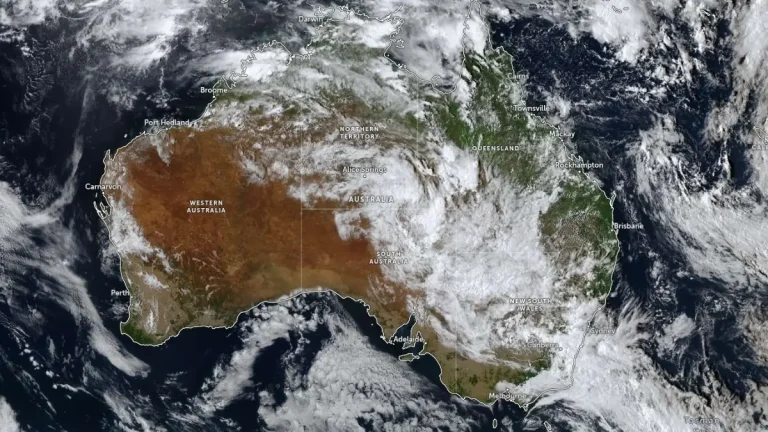
• Severe flooding hits Northern Territory and Queensland as rivers reach major levels, Australia

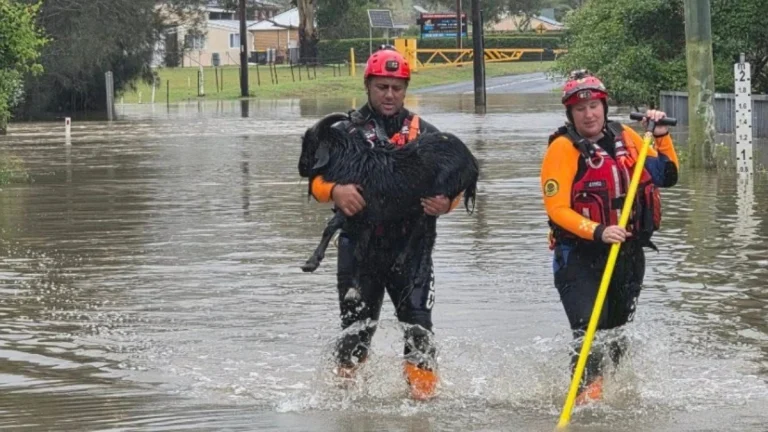
    Severe flooding affected parts of Northern Territory and Queensland, Australia during the first week of March 2026 after persistent monsoonal rainfall caused multiple rivers to exceed major flood levels. The Katherine River in Northern Territory peaked at 19.2 m (63 feet) before midnight on March 7, its highest level since 1998, while the Burnett River in Bundaberg, Queensland was forecast to reach about 7.6 m (25 feet) between March 10 and March 11, 2026. Evacuations, road closures, infrastructure disruptions, and widespread flood warnings were issued as rainfall totals exceeded 500 mm (20 inches) in parts of northern Australia.

  • Effusive activity and ash to 7.3 km (24 000 feet) at Big Ben volcano, Heard Island, Indian Ocean

    Satellite observations show that Heard Island’s Big Ben volcano remains active, with lava flows detected through late January and February 2026. The Darwin VAAC reported that the ash plume from a brief eruption around 14:00 UTC on February 11 reached 7.3 km (24 000 feet) above sea level and fully dissipated by the following day.

  • Severe dust storm engulfs Broken Hill, Australia

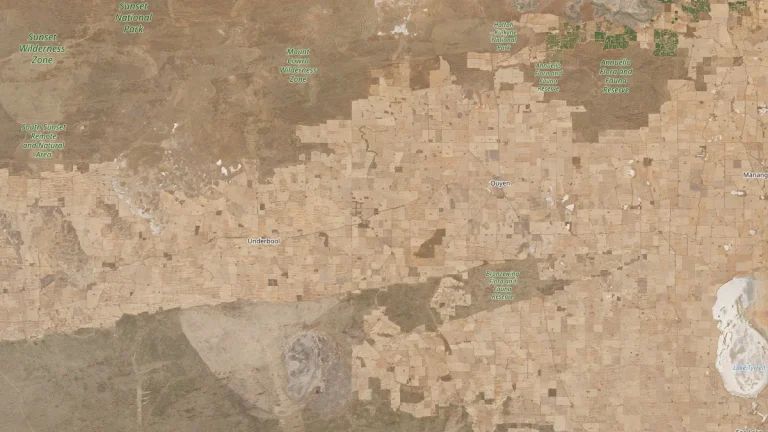
    A fast-moving dust storm affected outback communities in New South Wales on January 31, 2026, resulting in hazardous driving conditions and widespread dust deposition. Meteorologists from the Bureau of Meteorology reported the system formed as dry topsoil was lifted by intense westerly gusts exceeding 70 km/h (45 mph).

  • Victoria sets new all-time temperature record of 48.9°C (120°F) amid severe heatwave, Australia

    Temperatures across southeastern Australia reached record levels on January 27, 2026, with the Bureau of Meteorology confirming a new all-time high of 48.9°C (120°F) at Walpeup and Hopetoun in Victoria. The readings surpassed the previous state record of 48.8°C (119.8°F) set in 2009, amid severe to extreme heatwave conditions extending across Victoria, South Australia, and inland New South Wales.

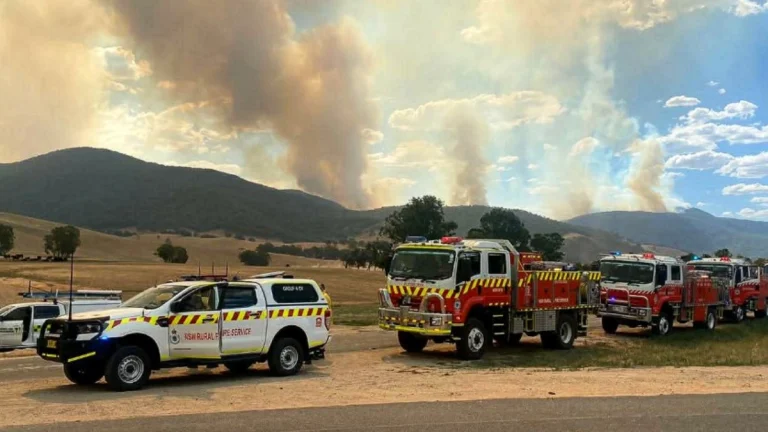
  • Victorians urged to evacuate as massive fire burns through the Otways, Australia

    A large out-of-control bushfire burning near Carlisle River and Gellibrand in Victoria’s Otways region has forced authorities to issue evacuation warnings for more than 1 100 properties. The fire, which started west of Gellibrand on January 10, has burned approximately 9 400 ha (23 200 acres) of forest and farmland by Monday afternoon (LT) January 26, 2026. Emergency Victoria urged residents and visitors in affected towns to leave before sunset due to forecast catastrophic fire conditions expected on January 27.

  • Woman killed, homes damaged as heavy rainfall and landslides strike New South Wales, Australia

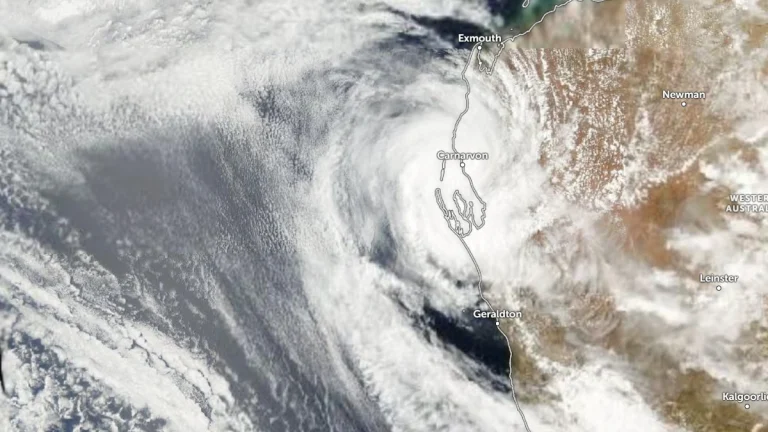
    Heavy rain and severe thunderstorms swept across New South Wales and southeast Queensland between Saturday and Monday, January 17 and 19, 2026, forcing evacuations around Sydney’s Narrabeen Lagoon and causing one death at Macquarie Pass. The storm system brought flash flooding, landslides, and dozens of rescues as the NSW State Emergency Service continued operations across inundated coastal suburbs.

  • Tropical Cyclone Koji brings severe flooding across north and central Queensland, Australia

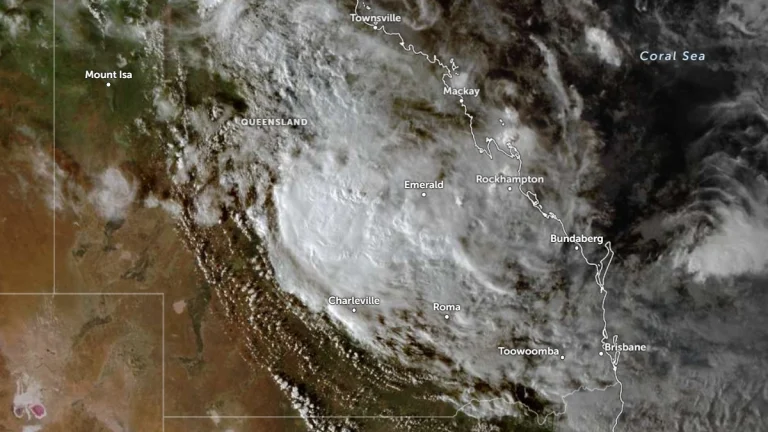
    Tropical Cyclone Koji brought torrential rainfall and widespread flooding to north and central Queensland on January 12, 2026, following its landfall near Ayr and Bowen a day before. Major flood warnings are in effect for multiple river systems, with rainfall totals of up to 600 mm (24 inches) in some areas, while thousands of customers remain without power. Emergency crews have conducted rescues and evacuations as the system moves inland, continuing to produce heavy rain and thunderstorms.

  • State of Disaster declared for the first time since 2020 as bushfires destroy over 130 structures in Victoria, Australia

    A fast-moving bushfire crisis has prompted the Victorian Government to declare a State of Disaster for the first time since 2020, on January 10, 2026, with over 300 000 ha (741 000 acres) being scorched across the state under extreme heat and high winds. At least 130 structures have been destroyed, and thousands remain under evacuation orders, with conditions forecast to remain dangerous in the coming days.