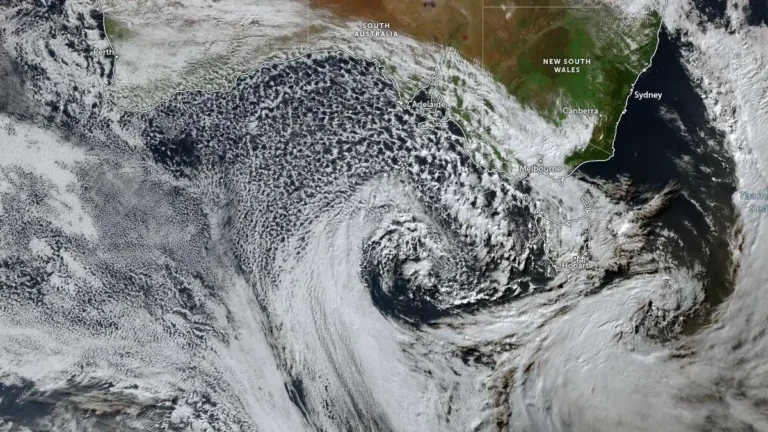
• Adelaide hit by 70% of its July rainfall in one day as successive cold fronts bring flooding and damaging winds to South Australia

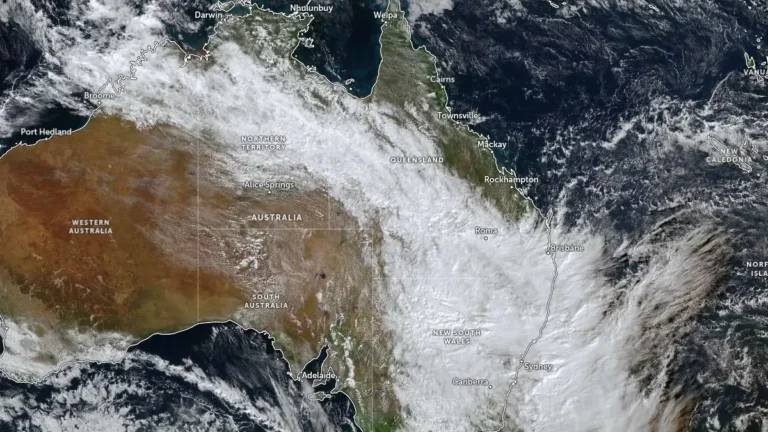
    Heavy rain from successive winter cold fronts flooded roads and properties across South Australia during July 2–3, 2026, prompting hundreds of State Emergency Service (SES) call-outs, disrupting transport, triggering a statewide Code Blue response for vulnerable people and delivering more than 100 mm (3.9 inches) of rain to parts of the Mount Lofty Ranges, according to the Bureau of Meteorology (BOM) and the SES.
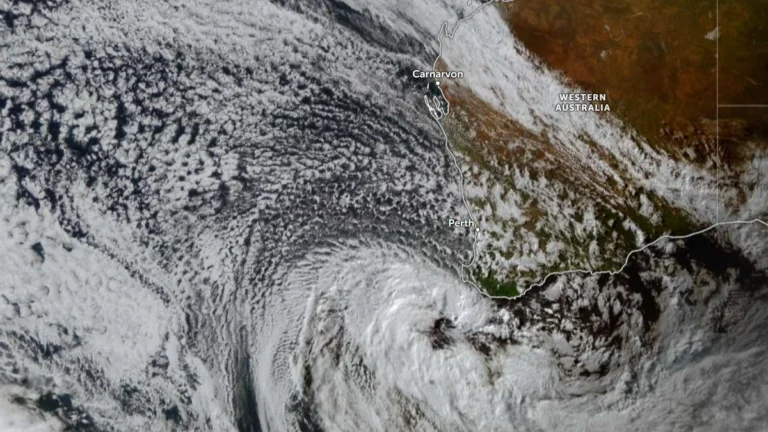
  • Bombing low brings destructive winds, heavy rain, and coastal hazards to southwest Western Australia

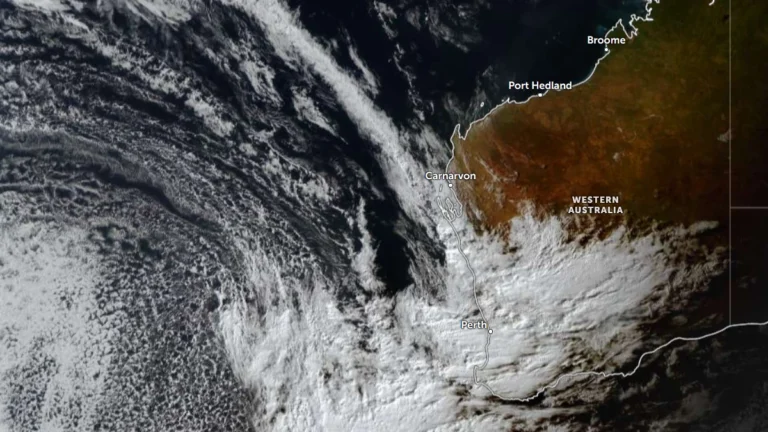
    A rapidly deepening low-pressure system southwest of Western Australia is bringing damaging to destructive winds, severe thunderstorms, heavy rainfall, and coastal hazards to broad areas of the state’s southwest on Sunday, May 31, 2026. Wind gusts of up to 130 km/h (81 mph) are possible southwest of a line from Lancelin to Albany, including the Perth metropolitan area, while dangerous surf, coastal erosion, and inundation affect exposed sections of the coast.

  • Severe Tropical Cyclone Maila tracks toward Papua New Guinea and Queensland, Australia

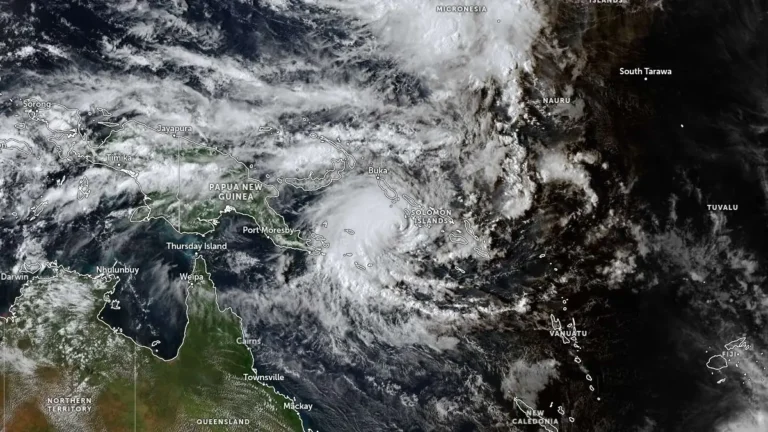
    Severe Tropical Cyclone Maila remained over the Solomon Sea at 06:00 UTC on April 8, 2026, with sustained winds of 165 km/h (103 mph) and a central pressure of 941 hPa, while beginning a gradual weakening trend after recent rapid intensification. The system is moving slowly northward at 6 km/h (3.7 mph) and is forecast to track west to southwest toward southeastern Papua New Guinea before entering the Coral Sea later this week.