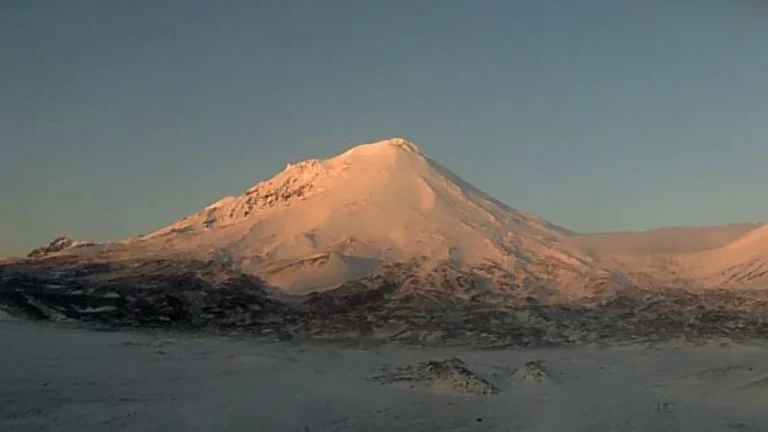
• Increased seismicity and gas emissions at Kupreanof volcano, Alaska

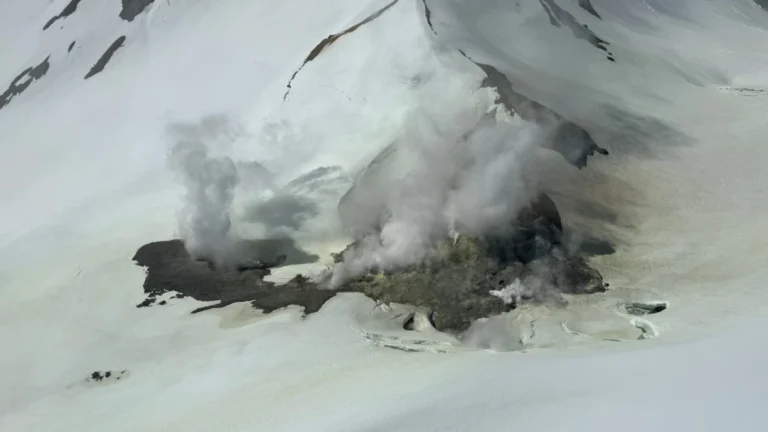
    Seismic activity and sulfur dioxide emissions have increased at Kupreanof volcano in Alaska over recent months, likely due to magmatic intrusion beneath the volcano. Kupreanof is a heavily glaciated stratovolcano on the Alaska Peninsula with no known historical eruptions. Current data do not indicate an eruption is imminent.

  • Record seasonal snowfall measured at Juneau International Airport, Alaska

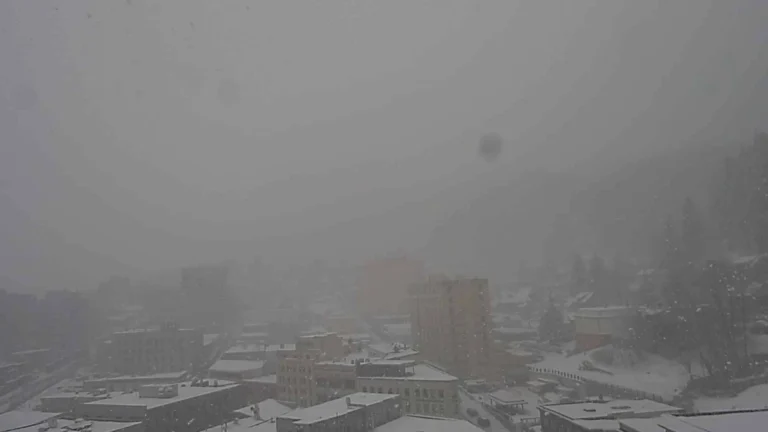
    Juneau International Airport in Alaska recorded 511 cm (201.2 inches) of snowfall for the 2025/26 season through March 23, setting a new seasonal record for the airport. The total exceeds the previous airport record of 502.7 cm (197.9 inches) from 2006/07, while daily snowfall records were also set on March 22 and 23, and the March monthly total reached a record 175.8 cm (69.2 inches).

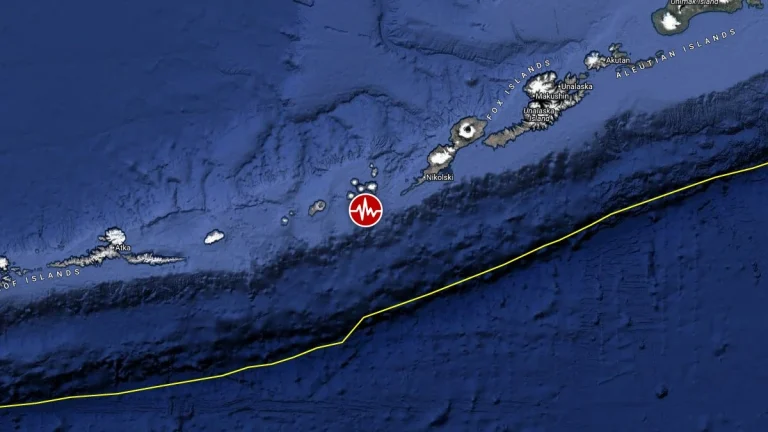
  • Strong and shallow M6.4 earthquake hits Rat Islands, Aleutian Islands, Alaska

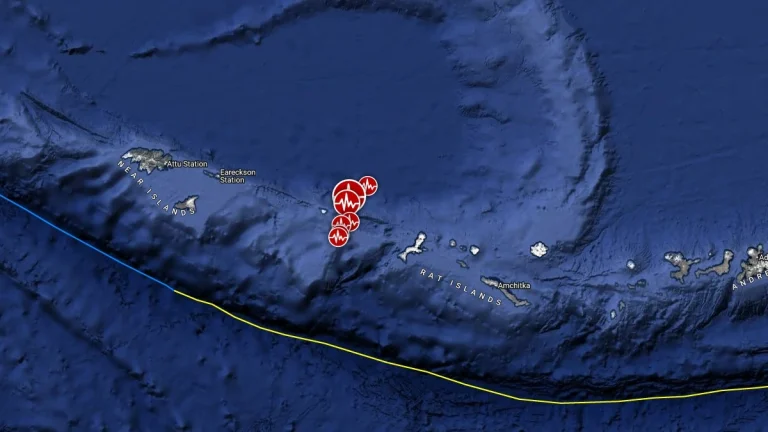
    A strong and shallow earthquake registered by the USGS as M6.4 hit near the Rat Islands, Aleutian Islands, Alaska at 17:54 UTC on March 4, 2026. The agency is reporting a depth of 10 km (6.2 miles). EMSC is reporting the same magnitude and depth. According to the National Tsunami Warning Center (NTWC), there is no tsunami danger from this event.

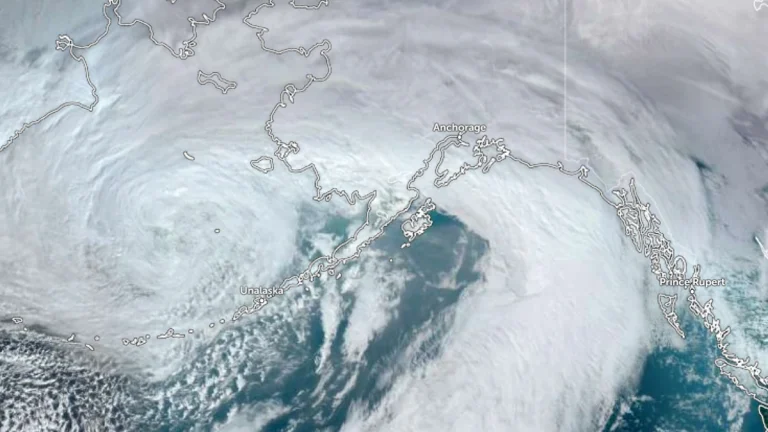
  • Wind chills to −57°C (−70°F) as Extreme Cold and Blizzard Warnings continue across Alaska

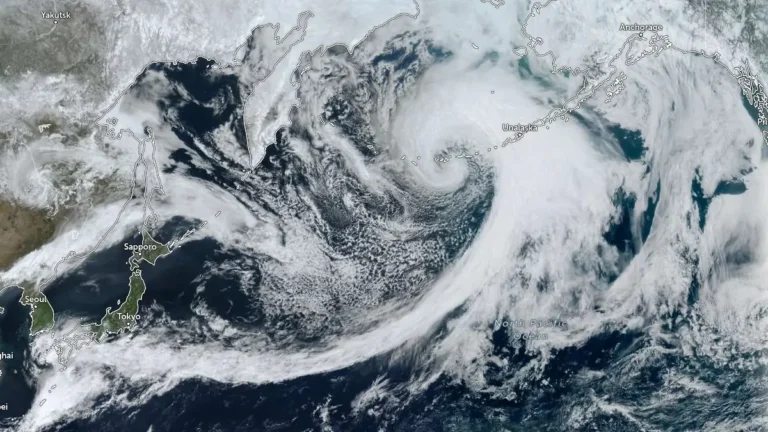
    Extreme Cold Warnings and Blizzard Warnings remain in effect across northern and western Alaska on February 11, 2026, with the National Weather Service forecasting wind chills as low as −57°C (−70°F) along the Arctic Coast and Brooks Range and wind gusts up to 105 km/h (65 mph) on St. Lawrence Island. Air temperatures near −46°C (−50°F) combined with increasing winds are expected to intensify frostbite risk across the North Slope, while snowfall of 7–15 cm (3–6 inches) and visibility reductions to 400 m (0.25 miles) or less are forecast in parts of western Alaska through early February 12.

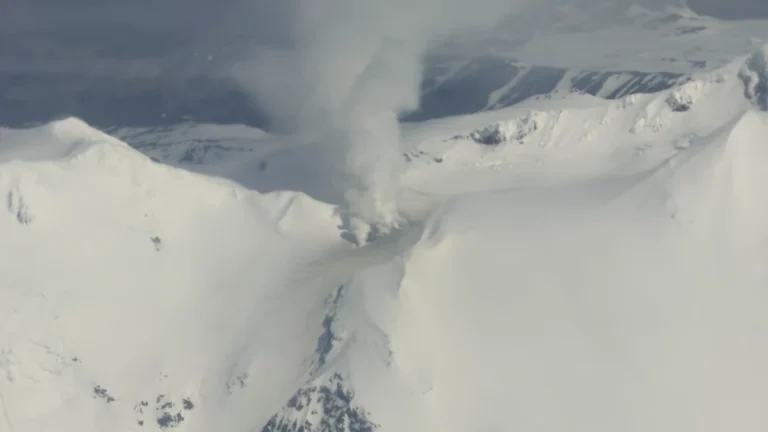
  • Pavlof volcano alert raised after rise in long-period earthquakes, Alaska

    A notable increase in seismic activity was detected at Pavlof volcano on the Alaska Peninsula on January 14, 2026, prompting the Alaska Volcano Observatory (AVO) to raise the alert level to Advisory and the Aviation Color Code to Yellow. No surface activity or eruptive changes were observed, and seismicity has since declined to background levels.