• Two new studies offer new clues to Ceres’ bright spots and origins

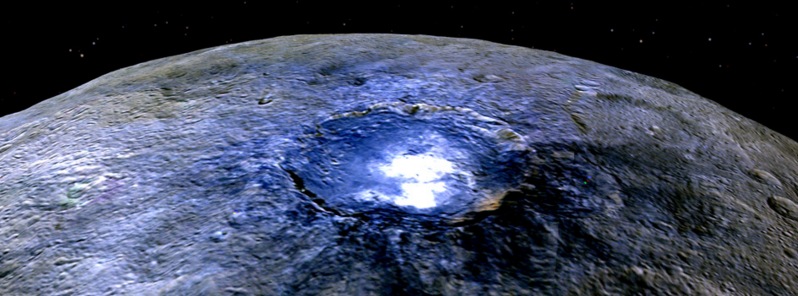
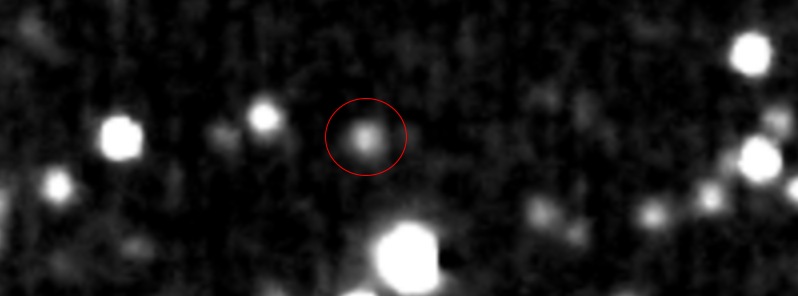
    Two new studies reveal some of Ceres' well-kept secrets, including highly anticipated insights about mysterious bright features found all over the dwarf planet's surface. In one study, scientists identify this bright material as a kind of salt, while the…
  • Earth surrounded by dense, hairy filaments of dark matter

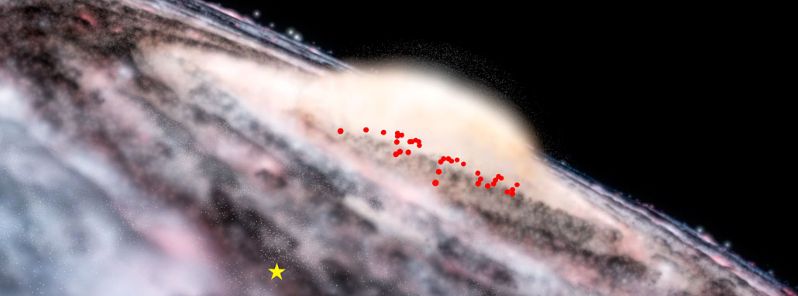
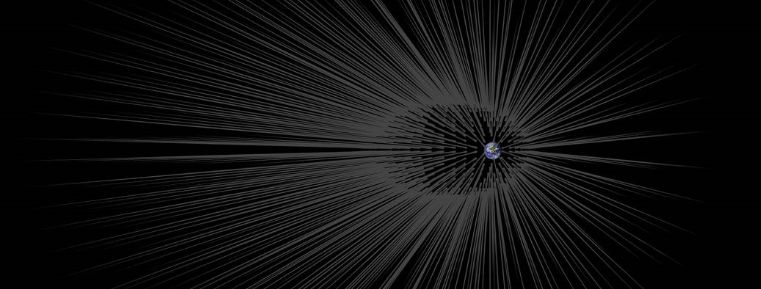
    A new research, conducted by scientists of NASA's Jet Propulsion Laboratory in Pasadena, California, suggests that Earth is surrounded by long, 'hairy' filaments of dark matter. Theoretically, the hairy filaments, if detected could be used to map out the…

  • Russia’s manned Moon mission set for 2029 launch

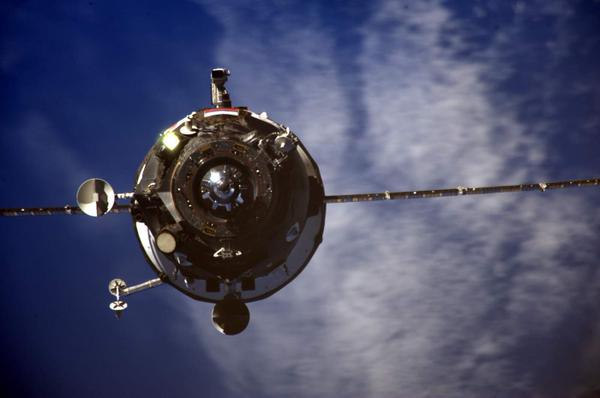
    Over 45 years after losing the space race to the United States, Russia has finally announced its own manned Moon mission which is set to be launched in 2029. The mission will be preceded by multiple unmanned missions which will include orbiters and landers and will…

  • ESA’s JUICE set to explore Jupiter’s mysterious moons

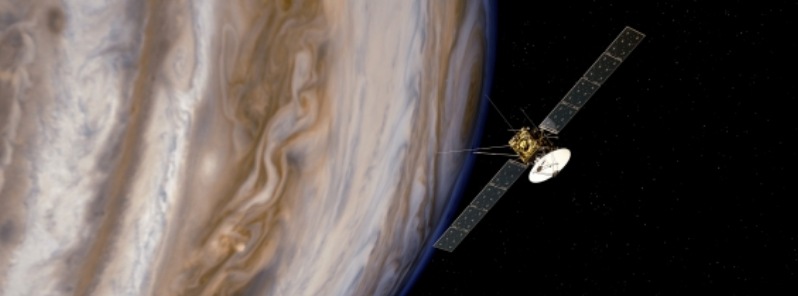
    ​Astronomers have always been fascinated by the gas giant Jupiter. A planet over 1000 times the size of Earth with 63 natural moons, 4 of whom are nearly as big as planets themselves, Jupiter and its moons are considered to be a mini solar system and are popularly…

  • A treat for astronomers: Largest collage map of Milky Way now online

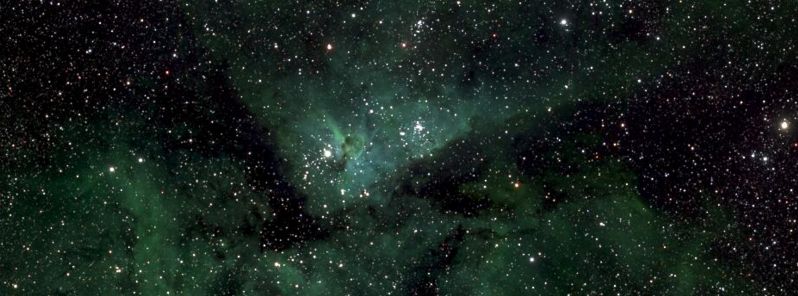
    A team of astronomers from Germany have compiled the largest astronomical image of the Milky Way galaxy so far, the Ruhr-Universität Bochum (RUB) announced on October 21, 2015. ​Small region of Milky Way showing the Eta Carinae star. Image credit: Lehrstuhl…

  • The ‘hottest pair’ of stars racing to a dramatic ending discovered

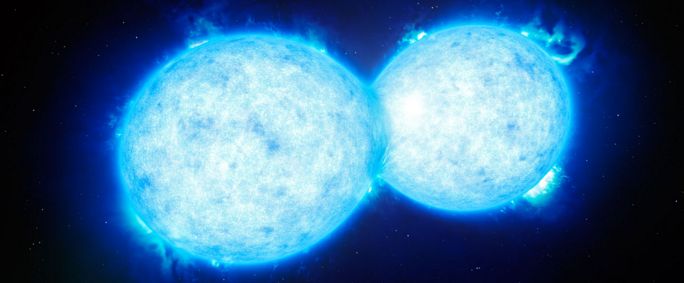
    The hottest and most massive system of double stars that play a crucial role in the evolution of galaxies has been discovered, European Southern Observatory (ESO) announced on October 21, 2015. This very rare and strange occurrence has been observed by ESO's…