• ESA and Roscosmos launch ExoMars mission

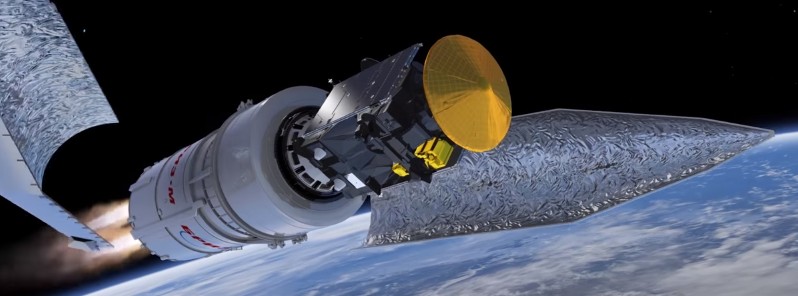
    In a joint space exploration effort, ESA and Roscosmos have successfully launched their ExoMars 2016 mission to planet Mars. The spacecraft was launched aboard Russian Proton-M rocket from the Baikonur cosmodrome in Kazakhstan at 09:31 UTC on March 14, 2016. It will…
  • 10 years of Mars Reconnaissance Orbiter

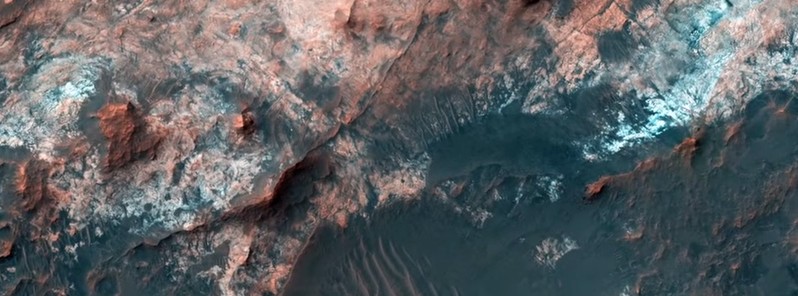
    NASA's Mars Reconnaissance Orbiter (MRO) arrived at Mars on March 10, 2006. During the next six months, MRO used hundreds of dips into the top of the Martian atmosphere to gradually adjust the size of the orbit and stabilize at nearly circular orbit at 250 to…

  • Visualizing milestones of the ExoMars 2016 mission

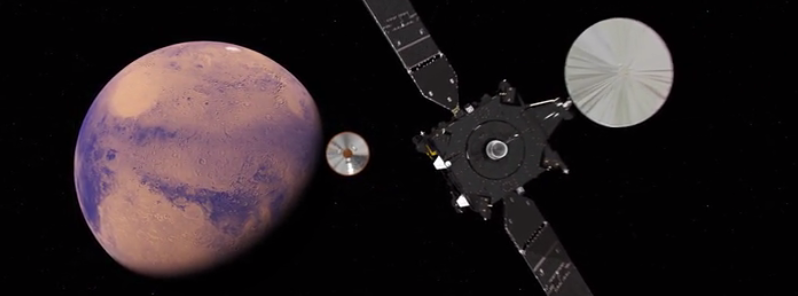
    The European Space Agency (ESA) has established the ExoMars programme to research the question if life ever existed on Mars. The programme will investigate the Martian environment through two missions. The first one, consisting of an Orbiter plus and Entry, Descent…

  • Isolated hills on Pluto floating in the sea of frozen nitrogen

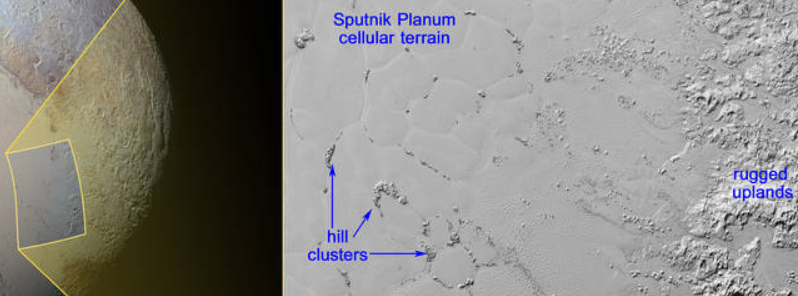
    NASA's New Horizons missions collected images and data indicating the isolated hills on Pluto may be fragments of water ice from the planet's surrounding uplands. The hills are thought to float in a sea of frozen nitrogen and move just like the icebergs in…

  • Giant hydrogen cloud boomeranging back to Milky Way

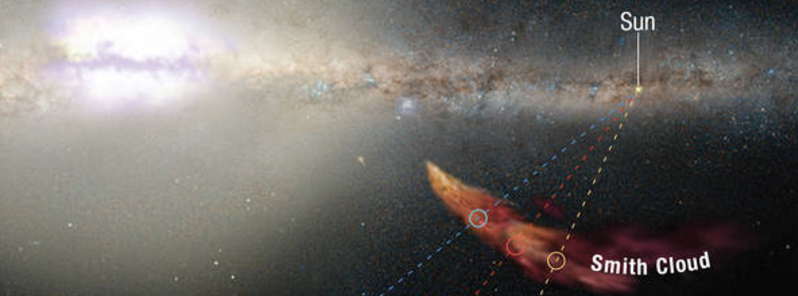
    A large cloud of hydrogen gas is on a return collision course to the Milky Way galaxy, running towards it with a speed of almost 1 126 540 km/h (700 000 mph) and is expected to hit it in about 30 million years. The new Hubble Space Telescope observations suggest the…

  • Cassini makes final close flyby images of Saturn’s moon Enceladus

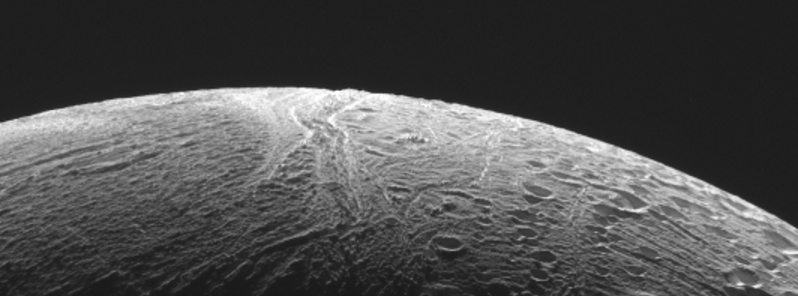
    NASA's Cassini spacecraft made its 22nd and the final close flyby of Saturn's moon Enceladus on December 19, 2015 at 17:49 UTC and will now continue to observe the moon from a much greater distance. The spacecraft passed Enceladus at a distance of 4 999 km…

  • A funky star shows long-lasting cloud storms possible

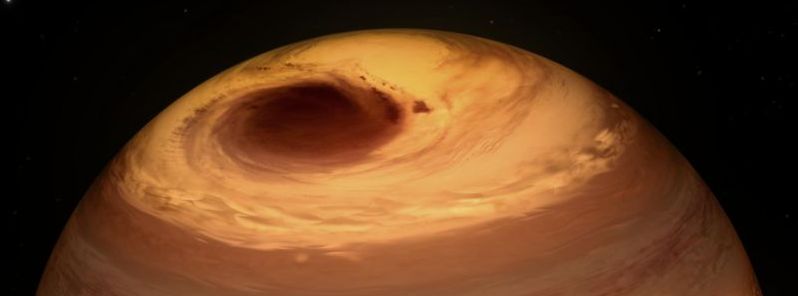
    A raging storm, similar to the Jupiter's Great Red Spot, discovered by NASA's Kepler and Spitzer space telescopes has been pictured in a vivid artist's animation video. The star named W1906+40, located approximately 53 light years away in the Lyra…