• NASA confirms liquid water flows on Mars

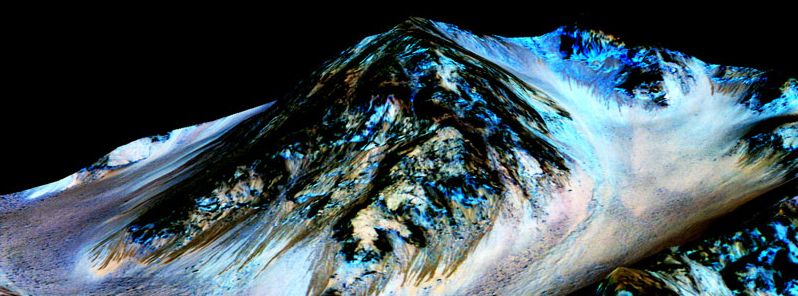
    The strongest evidence so far, provided by NASA's Mars Reconnaissance Orbiter (MRO) confirms that liquid water flows intermittently on Mars, NASA stated in their public announcement on September 28, 2015. NASA's MRO has provided new data, proving the existence o

  • Massive cloud of comets causing unexplained dip in a distant star’s glow

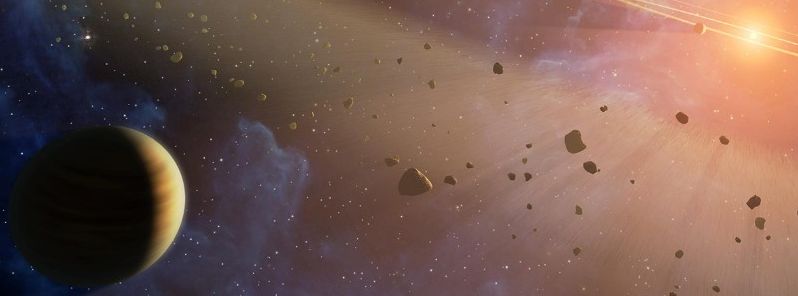
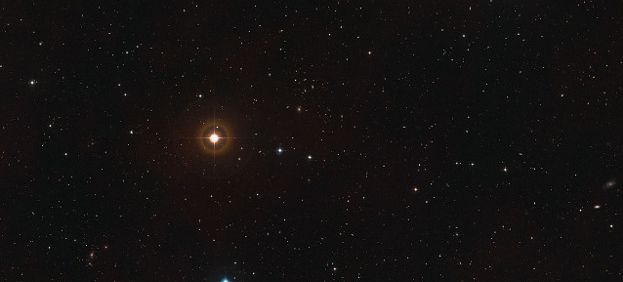
    Kepler space telescope has spotted an unusual dip in a distant star's glow which might be caused by a massive cloud of comets orbiting the star.Kepler telescope has been observing the same patch of sky for four years, searching for stars immersed in a bright glow.

  • A new giant galaxy cluster bursting with newborn stars discovered

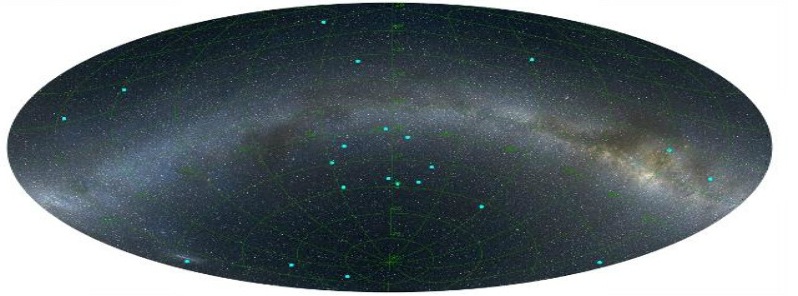
    Astronomers have discovered an enormous galaxy cluster with new stars forming in its core at a pace of 800 stars per year, ESA announced on September 10, 2015. This rare and amazing discovery was made by using the NASA's Spitzer Space Telescope and the Canada-France

  • Bright spots on Ceres imaged in striking new detail

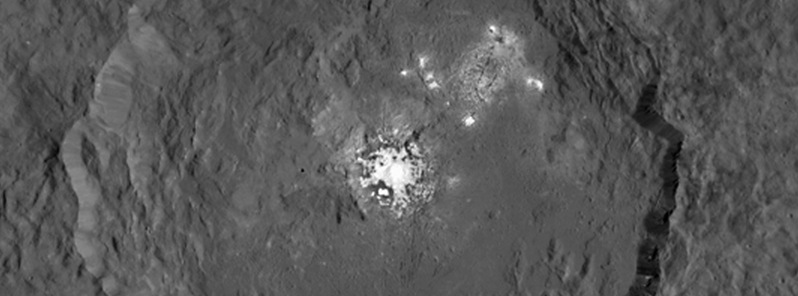
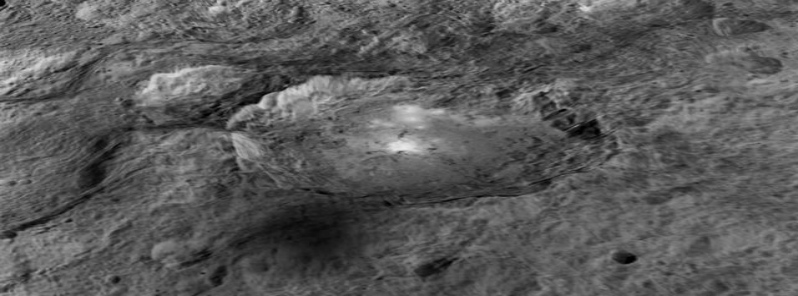
    NASA's Dawn spacecraft has provided new views of the dwarf planet Ceres, NASA's Jet Propulsion Laboratory (JPL) announced on September 9, 2015. The brightest spots and the closest-yet view of Occator crater has given scientists a deeper insight into these unusua

  • Gemini discovers a young, Jupiter-like planet

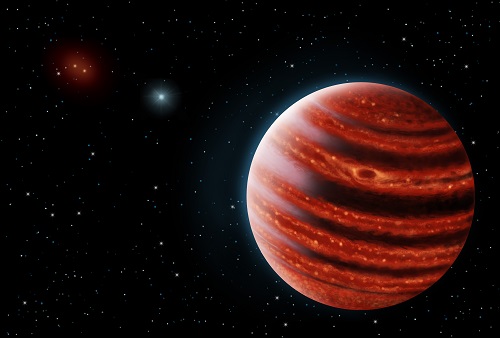
    Astronomers have imaged a new world of a young Jupiter in unprecedented details, using the Gemini Observatory's new Planet Imager (GPI). They discovered the planet's mass is about twice the Jupiter's, and it seems the planet is the most Solar System-like pla

  • New Horizons update: Pluto and planetary origins

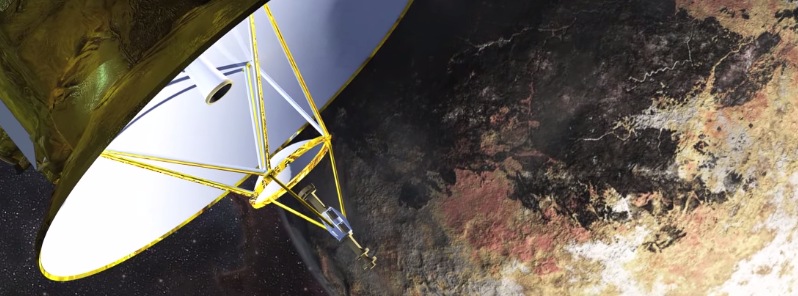
    NASA’s New Horizons mission to the dwarf planet Pluto is attracting international attention to planetary science. And like all recent missions to planets, moons, comets and asteroids, surprising discoveries already abound for scientists on Earth. Giant mountains o

  • NASA’s Kepler mission discovers closest Earth twin yet

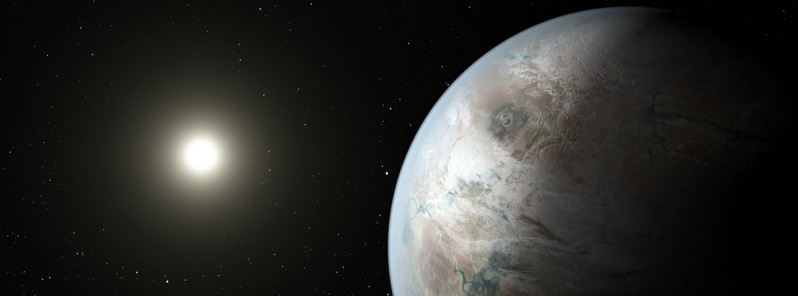
    NASA made an announcement on July 23, 2015 of it's Kepler space telescope spotting the most Earth-like alien planet yet discovered – a world called Kepler-452b that's just slightly bigger than our own and orbits a sun-like star named Kepler-452 at about the same