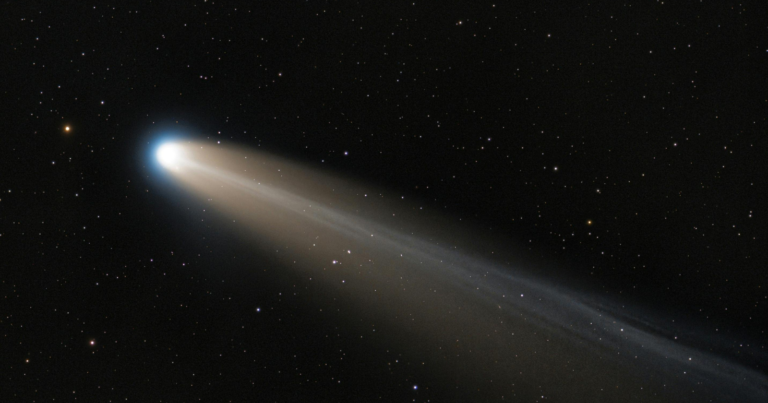
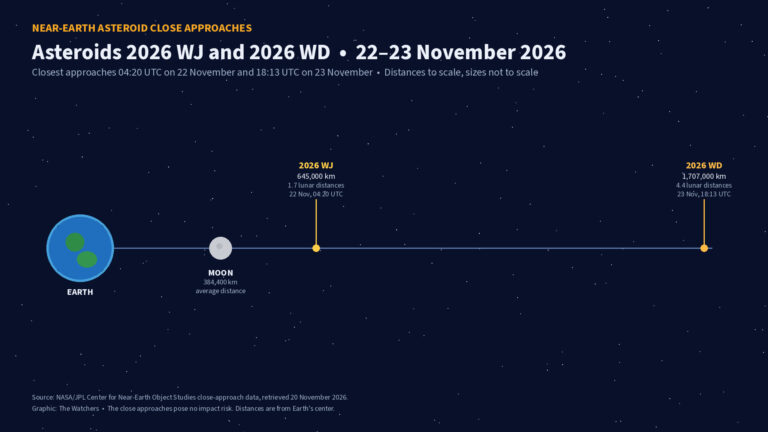
• Four small asteroids will pass close to Earth from November 21 to 23

    Four small near-Earth asteroids are expected to pass within 4.5 lunar distances of Earth between November 21 and 23, 2026, according to current NASA/JPL close-approach solutions. The closest, 2026 WA1, will pass about 474 000 km (295 000 miles) from Earth’s center at approximately 22:27 UTC on November 21, followed by the larger 2026 WJ at about 645 000 km (401 000 miles), or 1.7 lunar distances, at approximately 04:19 UTC on November 22. None of the four November 2026 encounters intersects Earth.
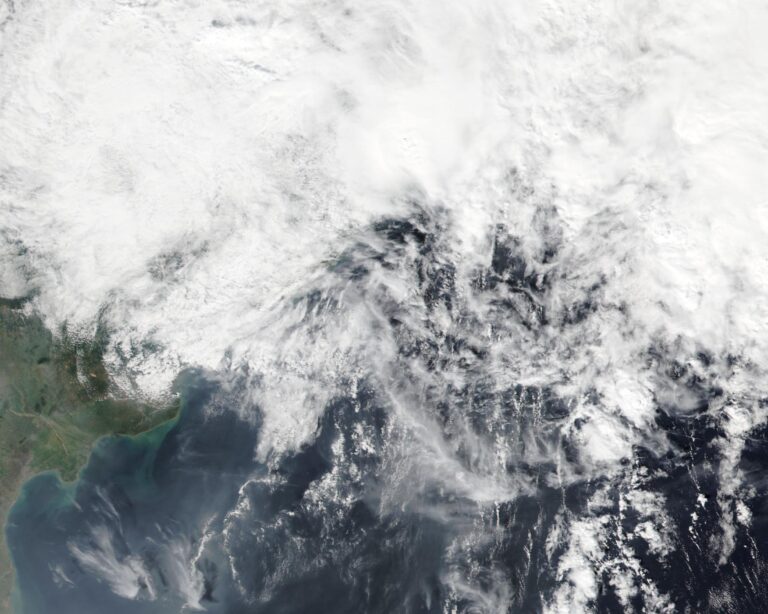
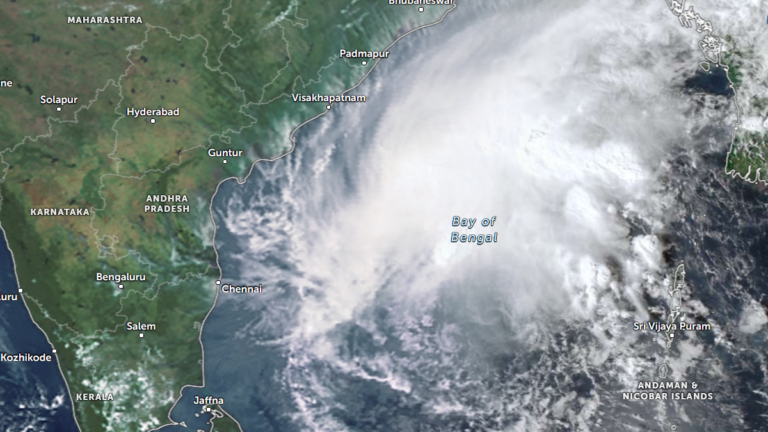
  • Cyclone Akvan weakens after landfall near Gopalpur; more than 300 000 evacuated in Odisha, India

    Cyclone Akvan crossed the north Andhra Pradesh and south Odisha coasts near Gopalpur between 02:00 and 03:00 UTC (07:30–08:30 IST) on November 20, 2026, with sustained winds of 70–80 km/h (43–50 mph) and gusts to 90 km/h (56 mph), the India Meteorological Department (IMD) said. By 09:00 UTC (14:30 IST), the remnant was a deep depression about 80 km (50 miles) north of Gopalpur, while Odisha officials reported that more than 300 000 people had been moved to shelters and no deaths or major damage had been reported in the initial assessment.

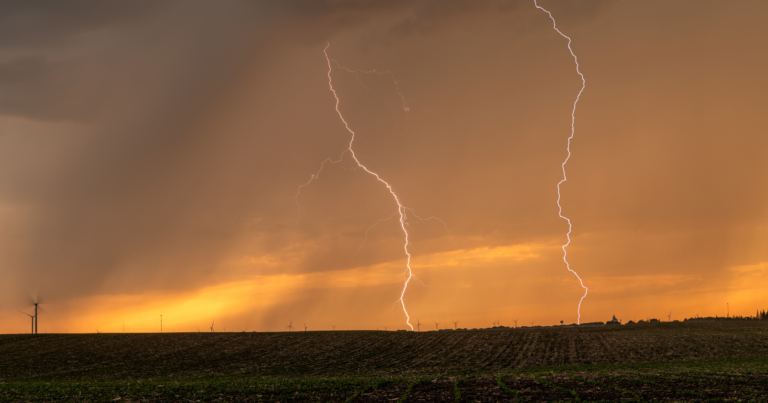
  • On October 22, 2017, a single flash of lightning stretched 515 miles from eastern Texas to near Kansas City, a distance that takes eight hours to drive, and nobody realized how far it had gone until scientists went back through the satellite data years later

    On the evening of October 22, 2017, a huge storm system covered the middle of the United States, from Texas north into Missouri and Iowa. Lightning flickered across the sky for hours, as it does in any big storm. But one flash that night was unlike any other. It raced through the clouds from eastern…

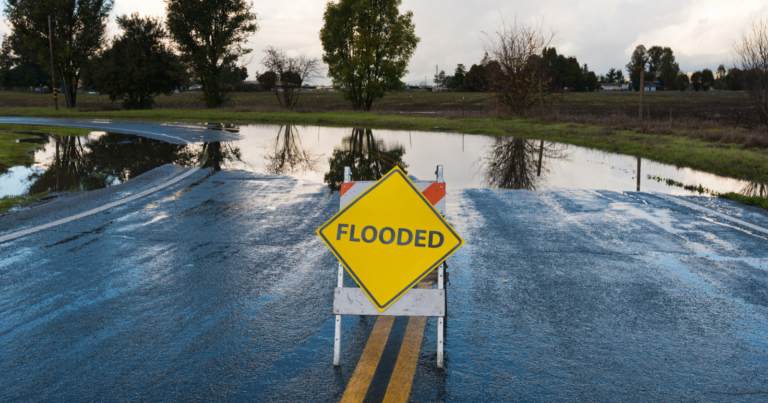
  • The storms drenching California this week are fed by a river in the sky, a band of water vapor that can carry up to 15 times the flow of the Mississippi River, and this winter’s near-record El Niño could keep aiming more of them at the West Coast

    Across California this week, people are clearing gutters, filling sandbags and checking road closures. Forecasters expect flooding rain from the Bay Area to San Diego, heavy snow in the Sierra Nevada and strong winds, with the worst of it on Wednesday and Thursday. Behind the storm is a weather feature with a surprisingly poetic name:…

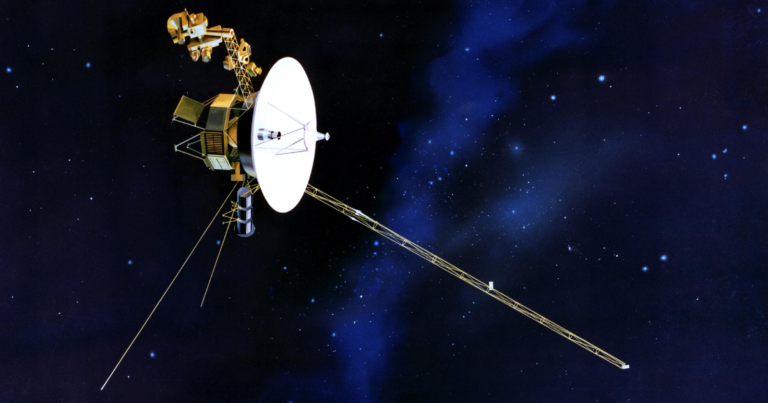
  • Right about now, Voyager 1 is crossing a line no human-made object has ever reached, a full light-day from Earth, which means a message NASA sends tonight won’t arrive until tomorrow night, and the spacecraft’s answer won’t make it home until the night after that

    At 10:16 UTC on Wednesday, November 18, a spacecraft about the size of a small car will slip past a boundary no human-made object has ever crossed. Voyager 1 will be one light-day from Earth, roughly 16.1 billion miles away. That means light itself, the fastest thing in the universe, needs a full 24 hours…

  • Scientists in Iceland drilled straight into 900°C magma by accident, and the well was so energy-dense it could produce nearly ten times the power of a conventional geothermal well

    In June 2009, a drilling crew in northeast Iceland was boring deep into the ground near a volcanic crater named Víti, which means “hell” in Icelandic. Their target was more than 4 kilometres down. At about 2 kilometres, the drill suddenly stopped making progress. When they examined what came back up, they found volcanic glass….

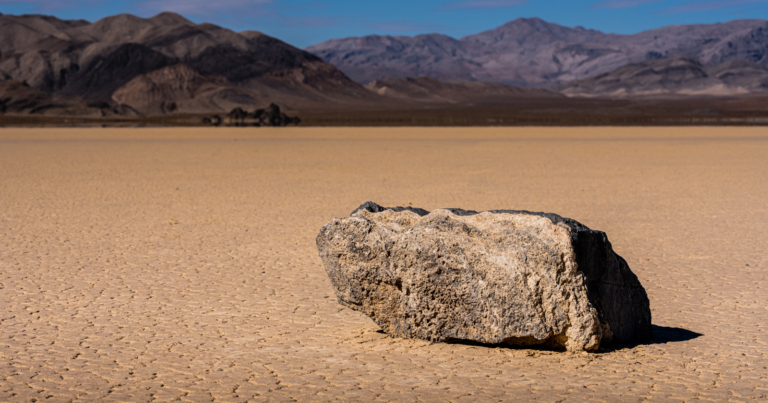
  • For decades the heavy rocks that carve trails across a Death Valley lakebed were never seen moving, until cameras caught them gliding on thin rafts of melting ice pushed by a light wind

    On a remote dry lake in Death Valley, hundreds of rocks sit on a cracked, flat floor of mud. Behind many of them are long trails, some straight, some curving, as if the rocks had been dragged across the ground. Some of these rocks weigh as much as 320 kilograms. For more than 70 years,…

  • Bay of Bengal system to become Cyclone Akvan, landfall forecast between Nellore and Tuni on November 20, India

    Cyclonic Storm Akvan was over the southern Bay of Bengal at 03:00 UTC (08:30 IST) on November 17, with sustained winds of 70–80 km/h (43–50 mph) and gusts to 90 km/h (56 mph). The India Meteorological Department (IMD) forecasts it to cross the Andhra Pradesh and Yanam coasts between Nellore and Tuni around 06:00 UTC (11:30 IST) on November 20 as a very severe cyclonic storm, with winds of 120–130 km/h (75–81 mph) and gusts to 145 km/h (90 mph).

  • The interstellar comet 3I/ATLAS is thought to be about twice as old as Earth, and the James Webb Space Telescope has now found that its ice looks less like any comet from our own solar system than like the frozen worlds beyond Neptune, a sign it formed somewhere its star’s light could barely reach

    On July 1, 2025, a telescope in Chile spotted a faint object moving far too fast to belong to the Sun. It was only the third visitor from another star system ever found, and it was named 3I/ATLAS. Over the following months, it swept through our solar system and headed back into interstellar space. Now…

  • Mount Everest is the highest point above sea level, but because the Earth bulges at the equator, the summit of a volcano in Ecuador sits farther from the centre of the planet, making it the closest piece of land on Earth to outer space

    High in the Ecuadorian Andes, about 150 kilometres south of Quito, a snow-capped volcano rises above the clouds. Chimborazo is only about 6,263 metres tall, nearly 2.6 kilometres shorter than Mount Everest. Yet stand on its summit and you’re farther from the centre of the Earth than anyone standing on Everest. The reason has nothing…