
Kīlauea eruption sends ash plume to 9 km (30 000 feet), disrupts flights near Hilo, Hawaii
Episode 43 of the ongoing eruption at Kīlauea began at about 09:17 LT on March 10, 2026, producing lava fountains exceeding 400 m (1 300 feet) from vents inside Halemaʻumaʻu crater, according to the USGS Hawaiian Volcano Observatory (HVO). Tephra fallout forced the closure of part of Highway 11 and disrupted flights at Hilo International Airport as an ash plume rose to about 9 km (30 000 feet) above sea level.
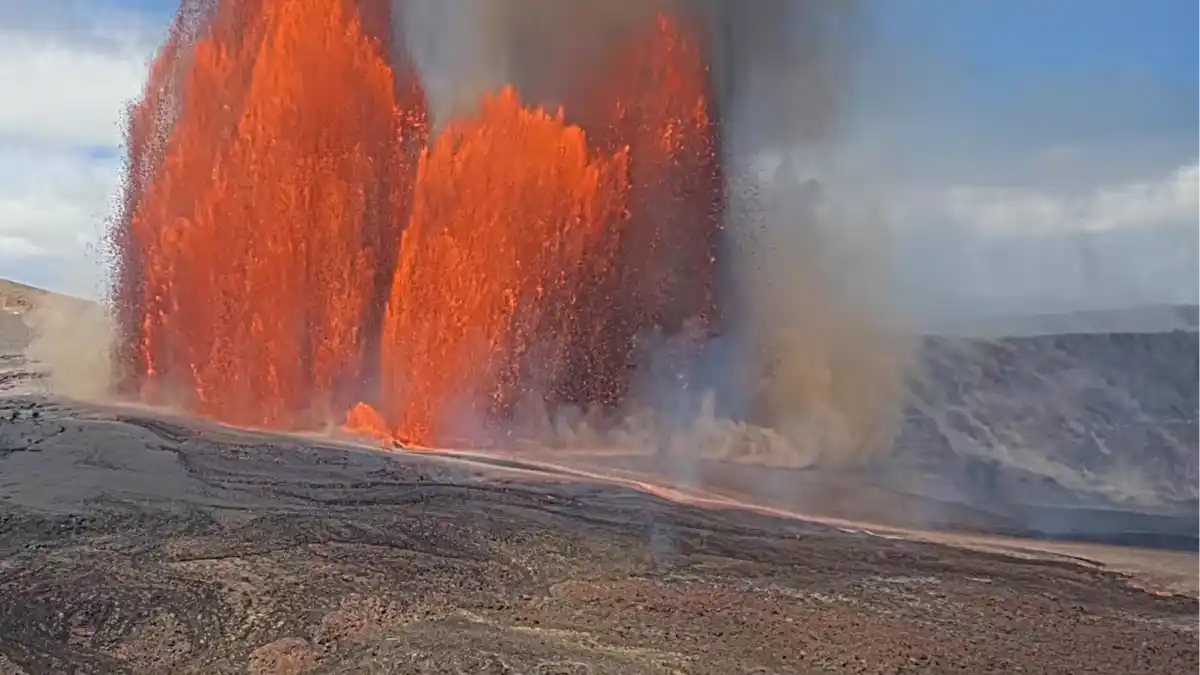
Eruption episode 43 at the summit of Kīlauea produced lava fountains exceeding 400 m (1 300 feet) and widespread tephra fallout across parts of Hawaiʻi Island on March 10, 2026. Credit: USGS/HVO
Episode 43 of the ongoing summit eruption at Kīlauea began at approximately 09:17 LT (19:17 UTC) on March 10, according to the United States Geological Survey Hawaiian Volcano Observatory (HVO). The eruption is occurring within Halemaʻumaʻu crater at the summit of the volcano.
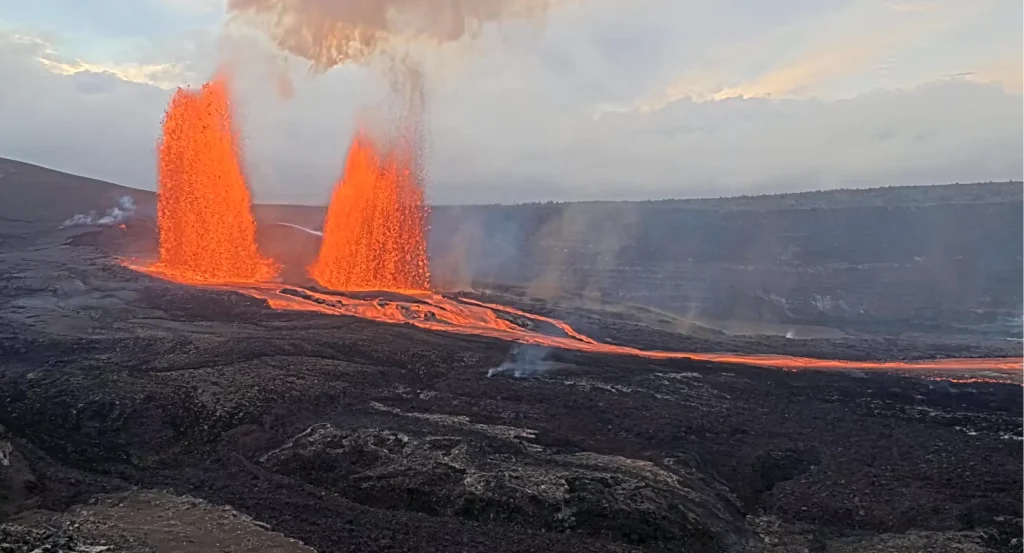
Lava fountains quickly intensified after the eruption began. According to HVO, fountains from the south vent reached about 350 m (1 150 feet), while fountains from the north vent reached about 300 m (1 000 feet). Maximum fountain heights during the episode exceeded 400 m (1 300 feet), with later observations showing the south vent reaching approximately 399 m (1 310 feet) and the north vent slightly under 300 m (985 feet).
The eruption produced significant tephra fallout downwind of the summit. Fragments up to 7.6 cm (3 inches) in diameter were reported in Volcano Village and Mauna Loa Estates, while Royal Hawaiian Estates reported fragments up to 1.3 cm (0.5 inches) along with strands of Pele’s hair. Continuous fallout covering the ground was reported at overlooks within Hawaiʻi Volcanoes National Park and near Volcano Golf Course.
 Kilauea eruption episode 43 – March 10, 2026. Image credit: USGS
- Kilauea eruption episode 43 – March 10, 2026. Image credit: USGS
- Kilauea eruption episode 43 – March 10, 2026. Image credit: USGS
- Kilauea eruption episode 43 – March 10, 2026. Image credit: USGS
- Kilauea eruption episode 43 – March 10, 2026. Image credit: USGS
- Kilauea eruption episode 43 – March 10, 2026. Image credit: USGS
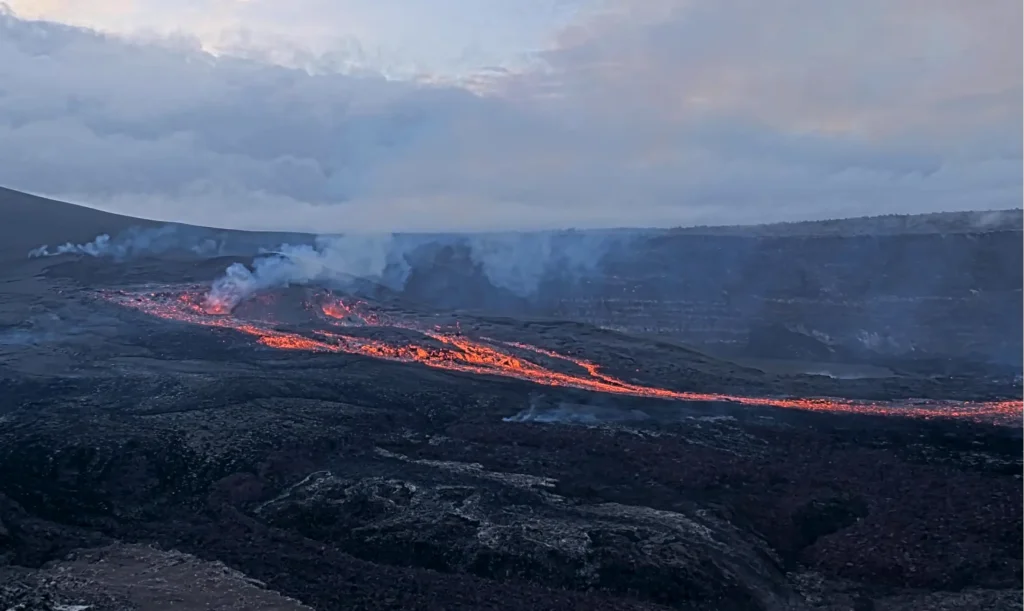
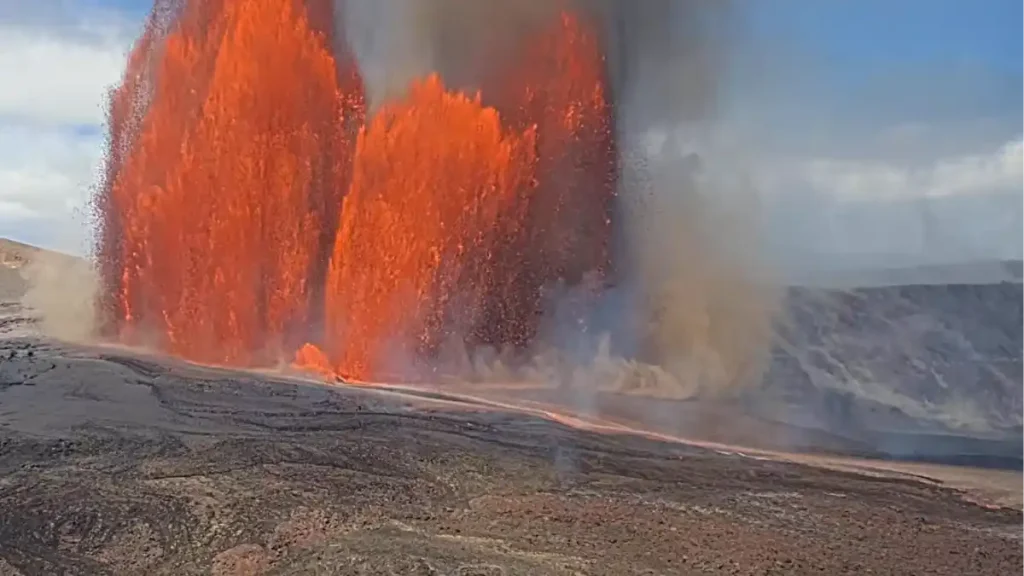
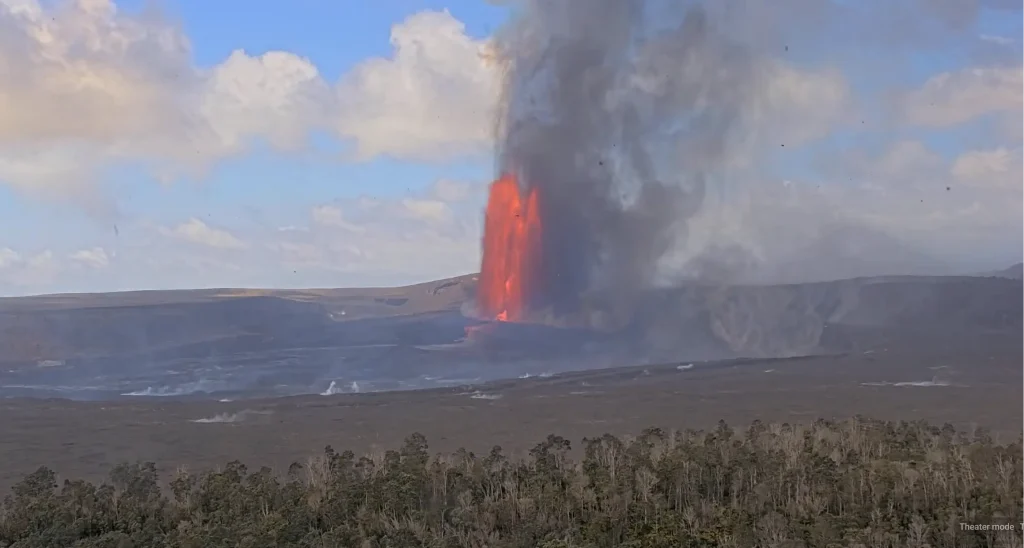
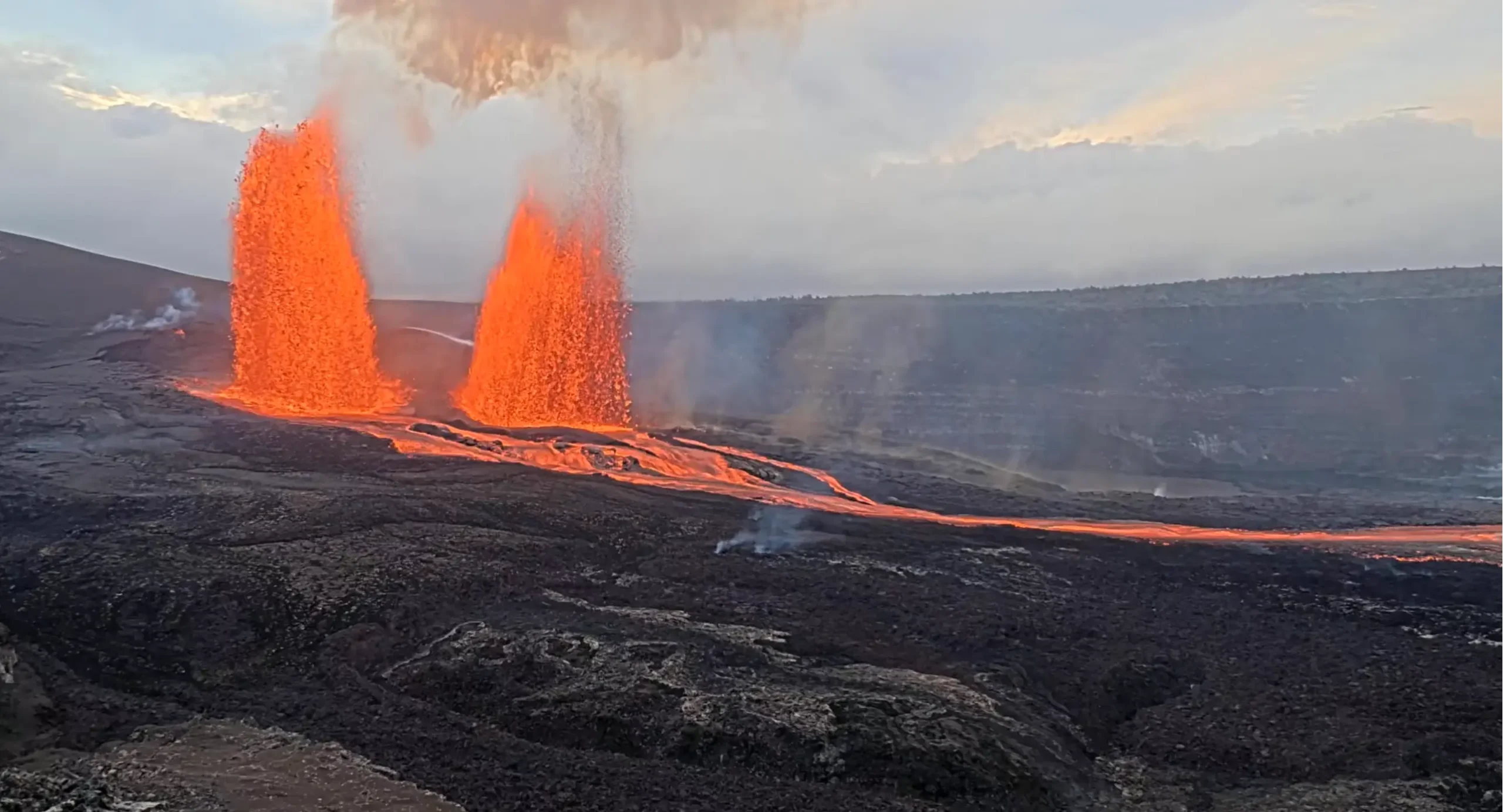
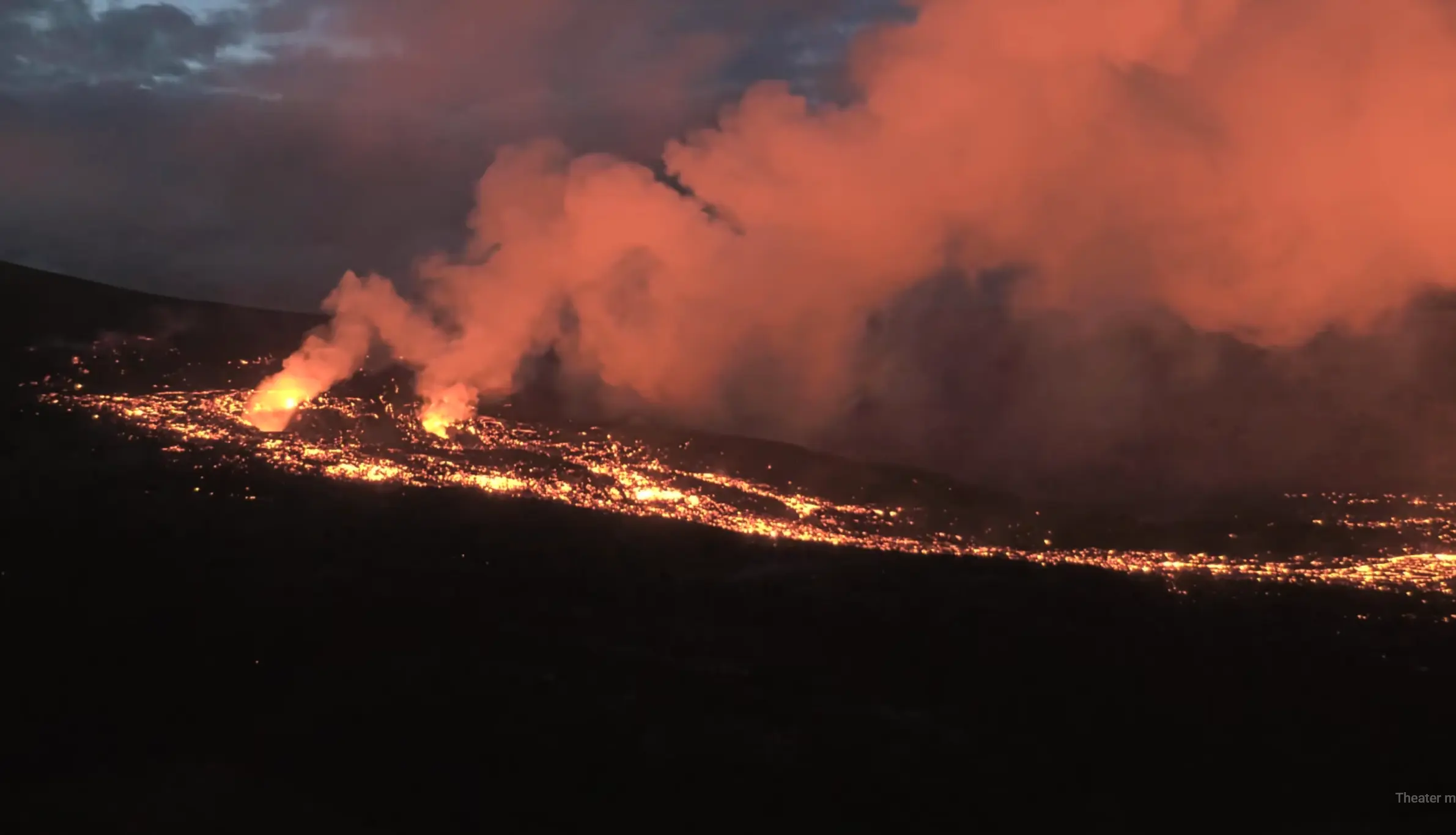
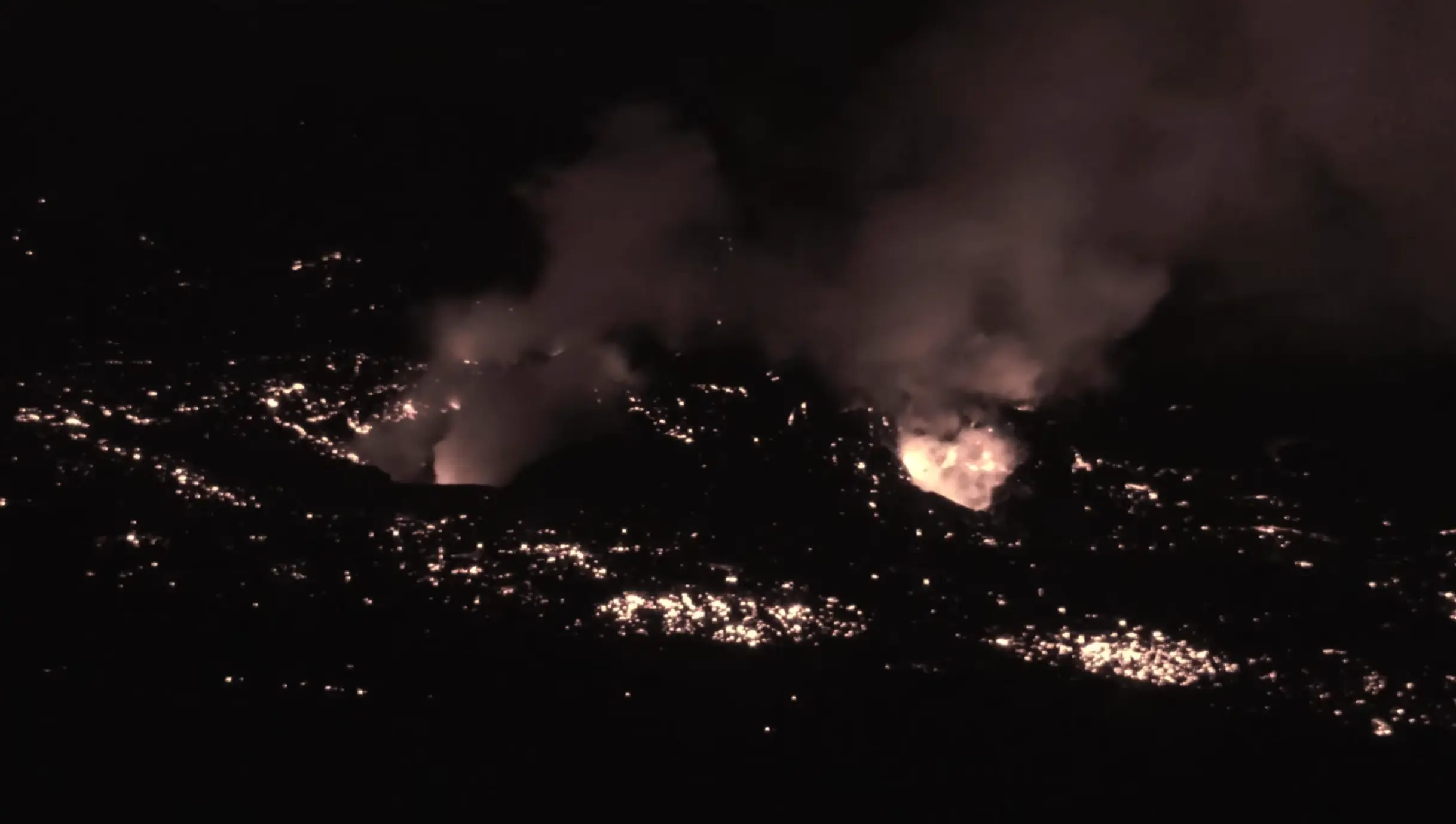
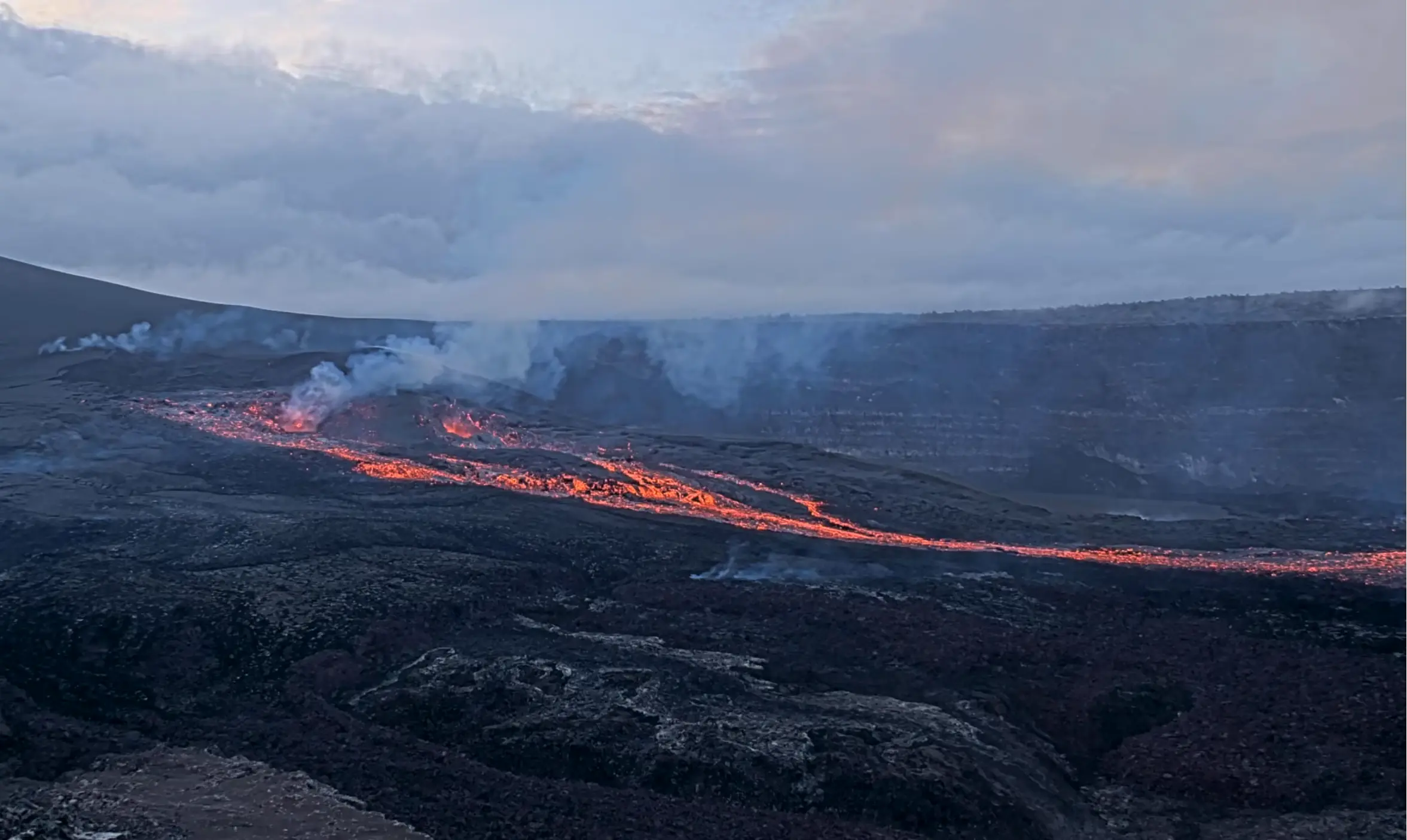
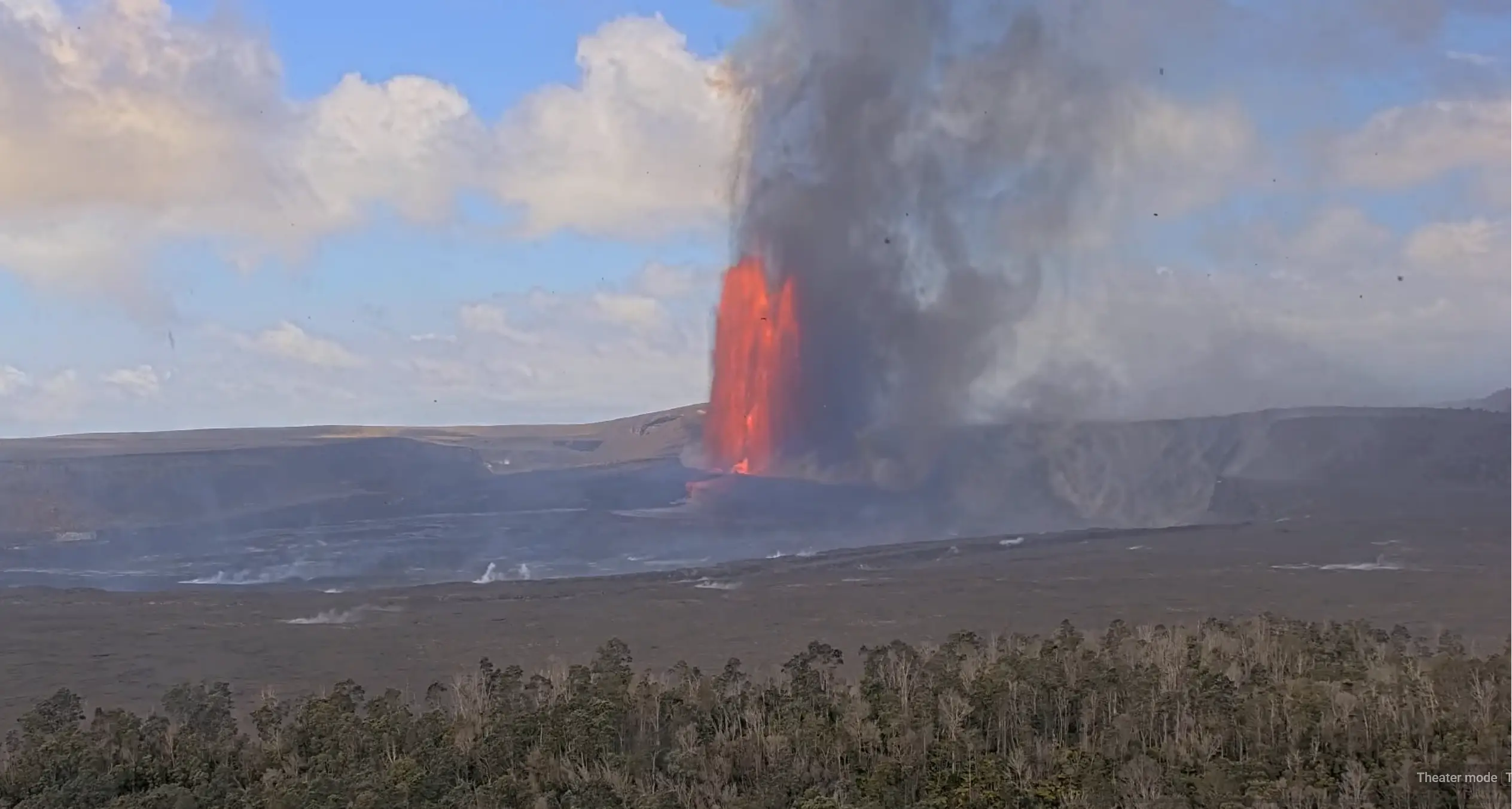
According to the Hawaii County Civil Defense Agency, Highway 11 was closed between mile markers 24 and 40 after falling volcanic debris created hazardous travel conditions. Temporary closures were also implemented near the summit area within Hawaiʻi Volcanoes National Park due to volcanic hazards.
Flights were disrupted as ash and tephra affected the region around Hilo International Airport. According to a statement from Hawaiian Airlines, five remaining round-trip flights between Honolulu and Hilo were canceled, and two additional flights were diverted to Kona because of volcanic ash from the eruption.
Flight tracking data from FlightAware showed that at least two Southwest Airlines flights to Hilo were also canceled. According to the Hawaii Department of Transportation, Hilo International Airport remained open during the ongoing Volcano Alert Level WARNING, although airlines advised travelers to monitor their flight status.
According to the National Weather Service, an Ashfall Warning was issued for areas downwind of the volcano. The National Weather Service and the Volcanic Ash Advisory Center reported the eruption plume reaching approximately 9 km (30 000 feet) above sea level, with winds from the south pushing the plume northward.
HVO reported precursory activity occurred earlier in the morning when lava overflow from the north vent was observed at approximately 08:20 LT (18:20 UTC), preceding the onset of sustained lava fountaining.
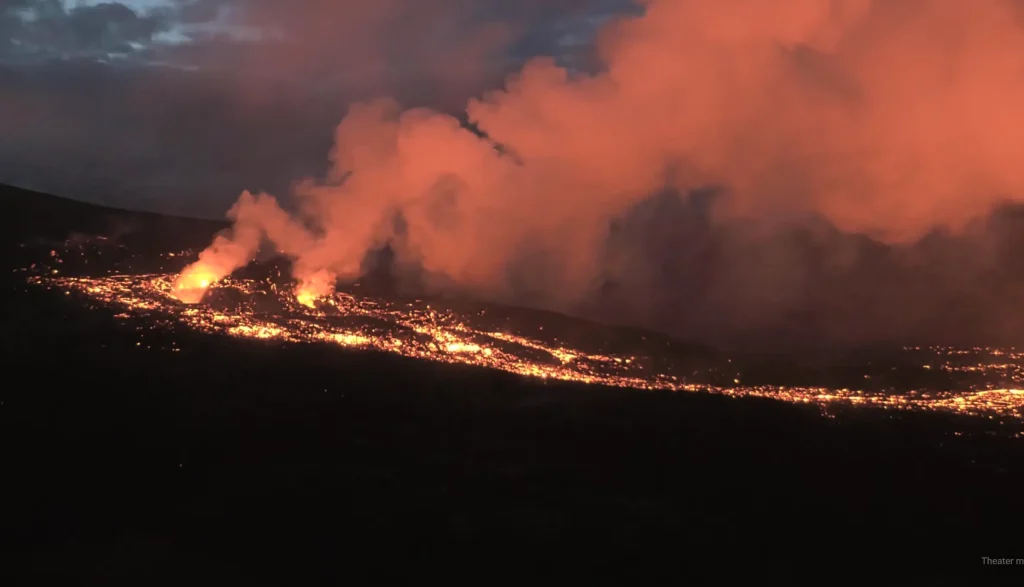
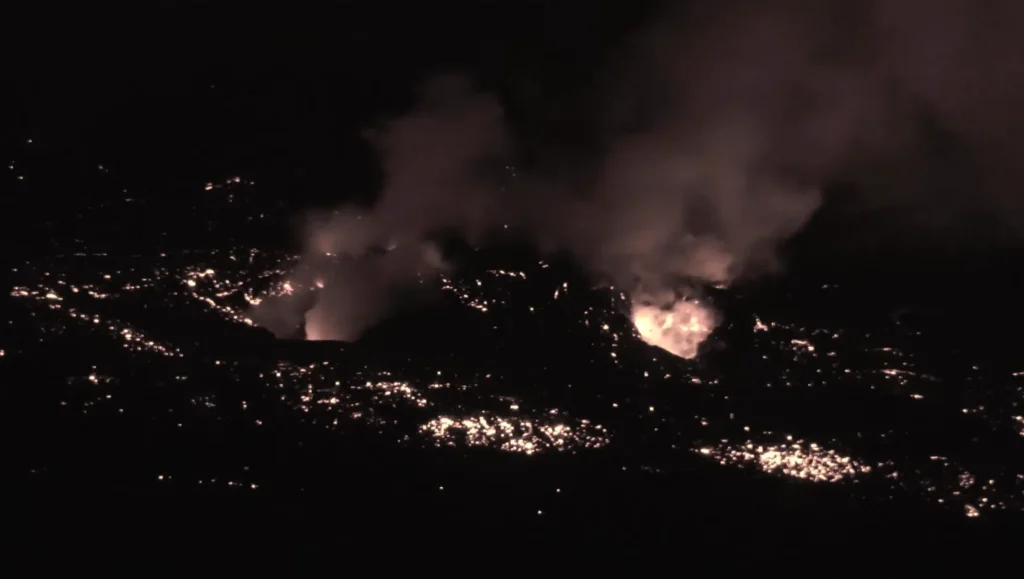
Lava flows generated during the eruption spread across the crater floor and covered roughly one-third of the surface of Halemaʻumaʻu crater.
According to HVO, gases released during the eruption include water vapor, carbon dioxide, and sulfur dioxide. Sulfur dioxide reacts in the atmosphere to form vog, or volcanic smog, which may degrade air quality and cause respiratory irritation downwind of the volcano.
Tephra produced by lava fountains consists of volcanic ash, pumice, scoria, Pele’s hair, and other glassy fragments. Larger fragments typically fall near the vents, while lighter particles may travel farther depending on wind conditions.
According to the USGS, lava flows during this episode remained confined to Halemaʻumaʻu crater and the southwest side of Kaluapele caldera. The volcano remains at Volcano Alert Level WARNING and Aviation Color Code RED, according to the USGS.
The eruption ended at 18:21 HST on March 10 (04:21 UTC, March 11).
References:
1 USGS Volcano Notice for Kilauea volcano – USGS – March 10, 2026

I’m a science journalist and researcher at The Watchers, contributing to the Epicenter edition, where I cover peer-reviewed scientific research and emerging discoveries across Earth and space sciences. With a background in astronomy and a passion for environmental science, I’ve worked in shark and coral conservation in Fiji, conducting reef and shark-behavior research, contributing to mangrove restoration, and earning PADI Open Water and Coral Reef Certifications. I bring a blend of scientific rigor and storytelling to illuminate the discoveries shaping our planet and beyond.

Commenting rules and guidelines
We value the thoughts and opinions of our readers and welcome healthy discussions on our website. In order to maintain a respectful and positive community, we ask that all commenters follow these rules.