
Major X2.9 flare erupts on SE limb of the Sun, signals new wave of heightened solar activity
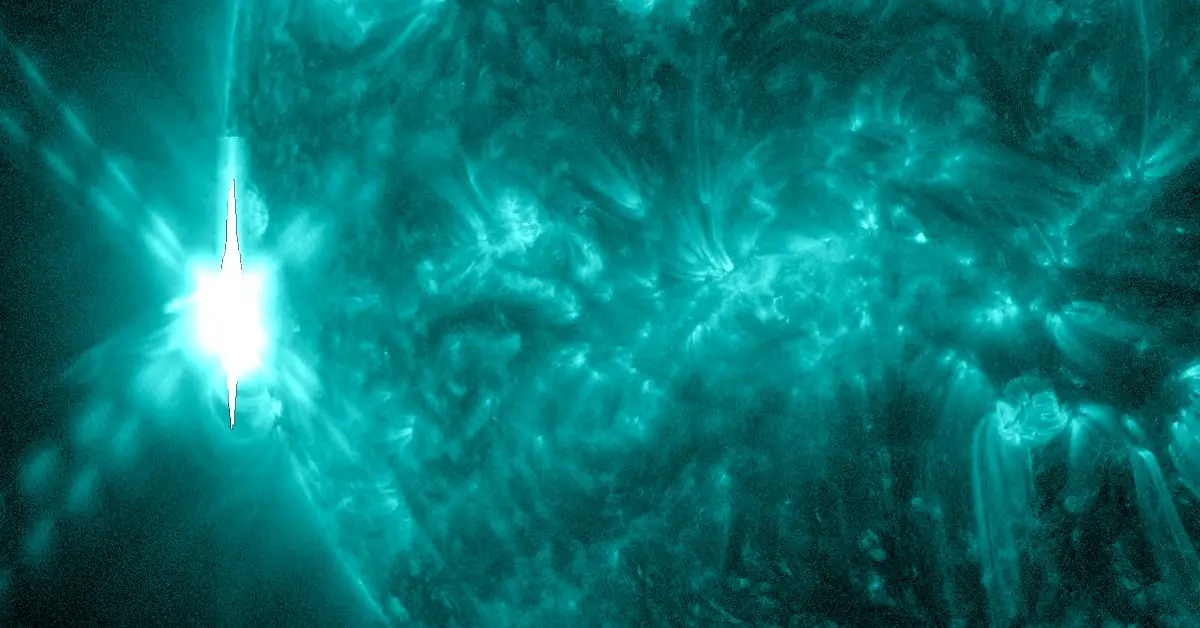
Featured image: X2.9 solar flare on May 15, 2024. Credit: NASA SDO/AIA 131, Helioviewer, The Watchers. Acquired at 14:41 UTC
A powerful solar flare measuring X2.9 erupted on the Sun’s southeastern limb at 14:38 UTC on May 15, 2024. The event started at 14:20 and ended at 14:51 UTC. This is the second X-class solar flare after X3.4 at 08:37 UTC from Region 3664 — off the west limb.
Type IV and II (estimated velocity 1 064 km/s) radio emissions were associated with this event — suggesting a strong coronal mass ejection (CME) was produced.
While the location of this region does not favor Earth-directed CMEs, this event signals a new wave of increased solar activity over the next week or two.
Days of high solar activity continue. We have already seen two X-class flares today (X3.48 and X2.99). I thought both came from AR 13664, which has already rotated off the west (right) limb. But the second event was from the east (left). A big region rotates into Earth view. pic.twitter.com/lKTRmQLk6S
— Halo CME (@halocme) May 15, 2024
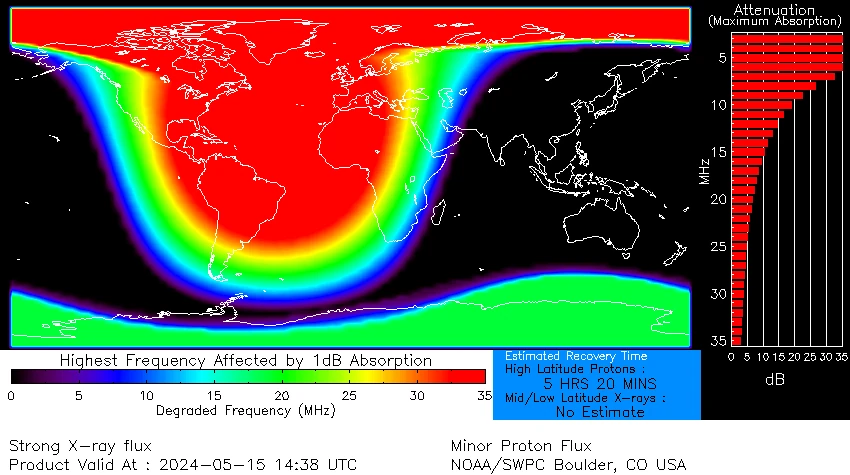
Radio frequencies were forecast to be most degraded over the Americas, Atlantic Ocean, West Africa, and Europe at the time of the flare.
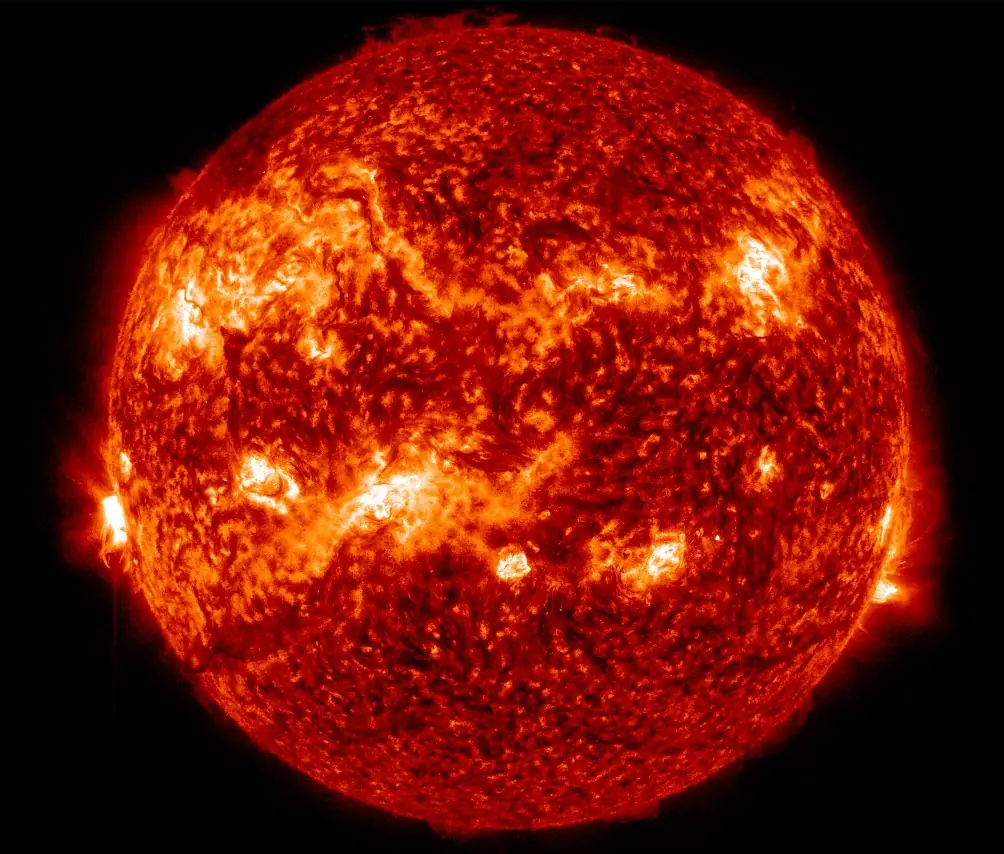
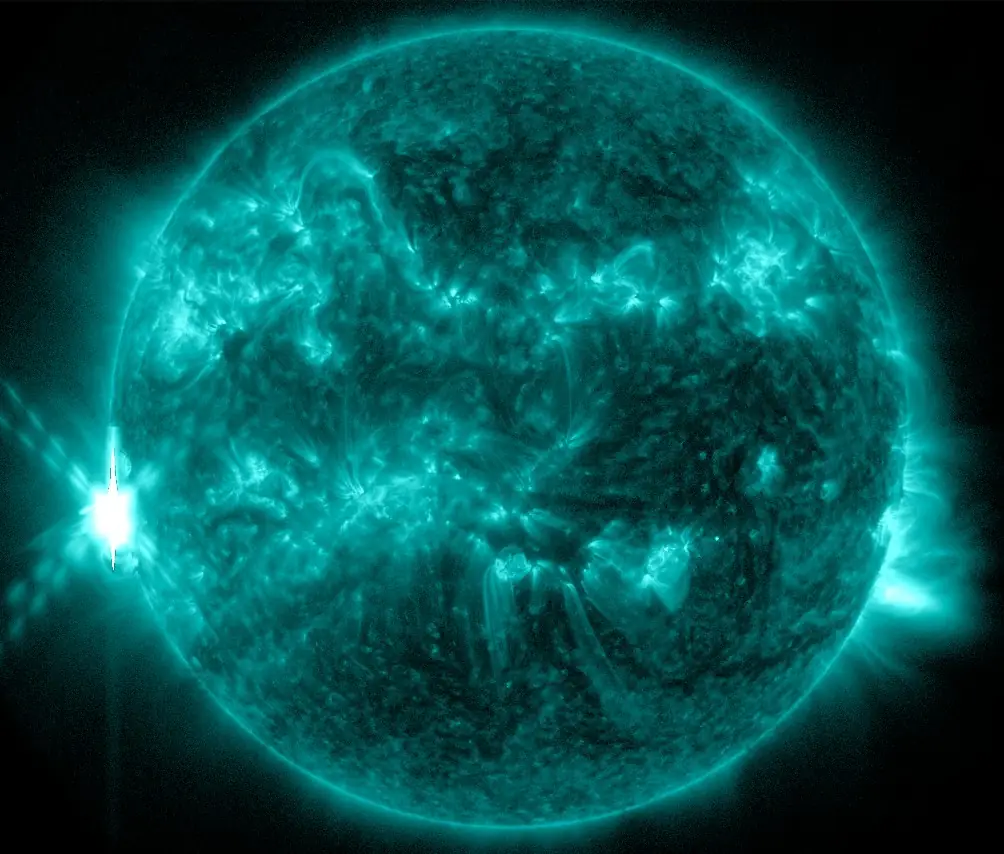
This event follows three X-class flares from Region 3664 on May 14, including X8.7 — the strongest solar flare of Solar Cycle 25 and the strongest flare since X9.3 on September 10, 2017 (the strongest solar flare of Solar Cycle 24); and X3.4 at 08:37 UTC on May 15.

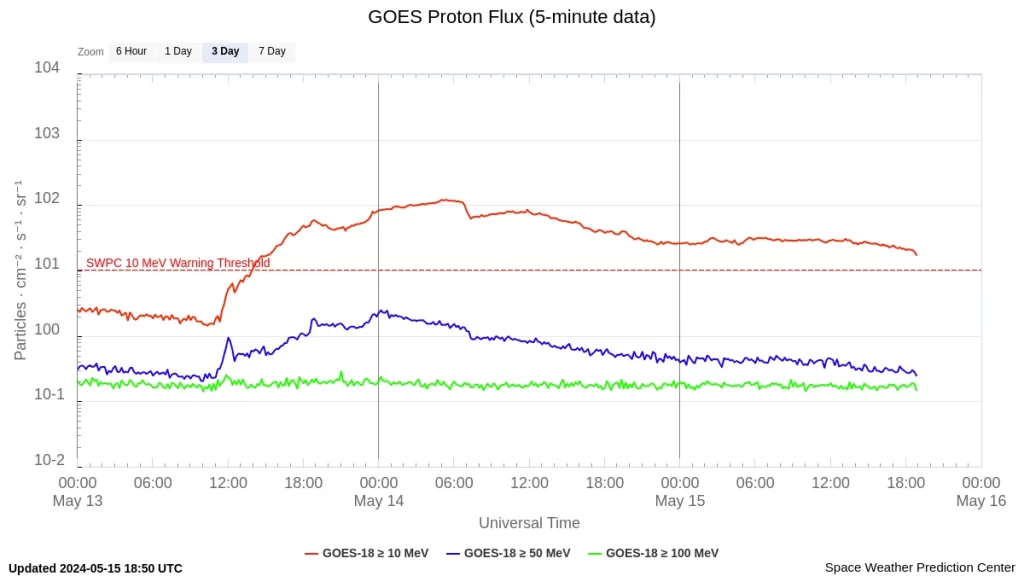
Flaring from Region 3664 over the past couple of days is still reflected on Earth in the form of solar radiation storming, with periods of S1 – Minor to S2 – Moderate storming observed since 13:50 UTC on May 13.

Teo Blašković founded The Watchers in 2011 and edited it until 2026, covering seismic and volcanic activity, extreme weather, space weather and near-Earth objects. Articles on this page are his archive.
Published in the last 24 hours
- High Risk of excessive rainfall covers Florida’s Space Coast as St. Johns River near Cocoa reaches 5.67 m
- Four small asteroids will pass close to Earth from November 21 to 23
- Cyclone Akvan weakens after landfall near Gopalpur; more than 300 000 evacuated in Odisha, India
- A broad low over southeastern Florida and the northwestern Bahamas has a 30 percent chance of subtropical or tropical development within 48 hours and a 50 percent chance within 7 days, the National Hurricane Center says
