Apollo 17 lunar soil experiment confirms solar wind creates hydroxyl on the Moon
A NASA experiment shows how solar wind can form water on the lunar surface. The study, conducted with Apollo 17 samples, simulated 80,000 years of solar wind exposure.

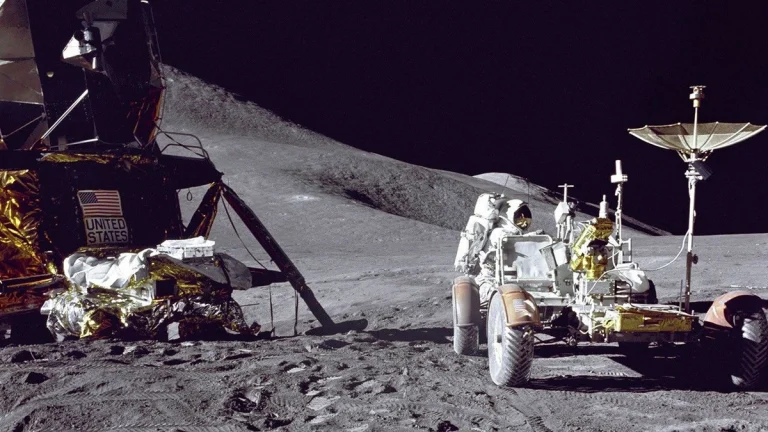
A NASA experiment shows how solar wind can form water on the lunar surface. The study, conducted with Apollo 17 samples, simulated 80,000 years of solar wind exposure.
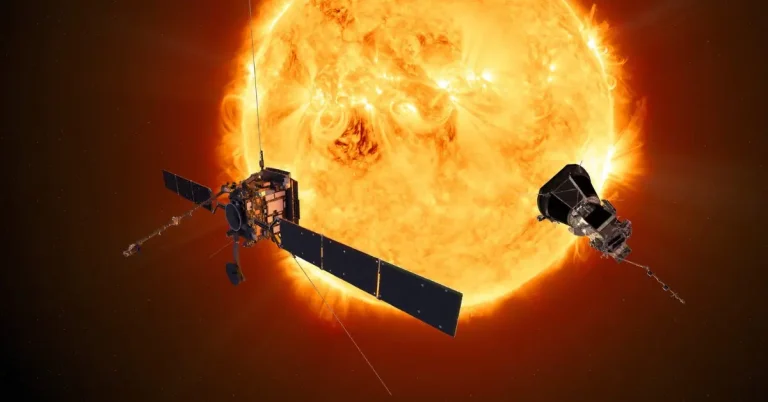
A team of scientists compared data from NASA’s Parker Solar Probe and ESA’s Solar Orbiter and discovered that magnetic waves known as Alfvén waves, essentially a form of plasma wave, are responsible for pumping energy into the solar wind, causing it to accelerate and heat up as it travels away from the Sun.
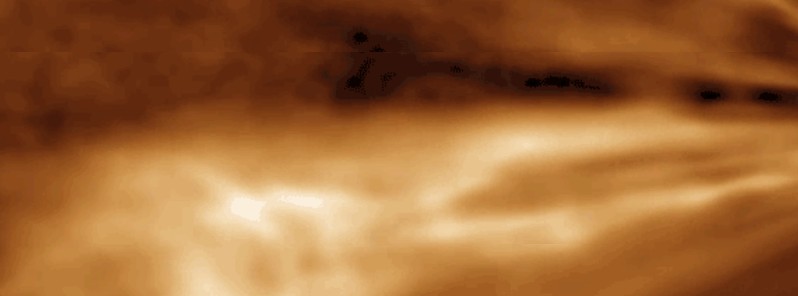
The origins of the constant flow of charged particles from the Sun, known as the solar wind, and the details of the transition from defined rays in the Sun's upper atmosphere to the solar wind have been a mystery ever since the discovery of solar wind in 1950s….
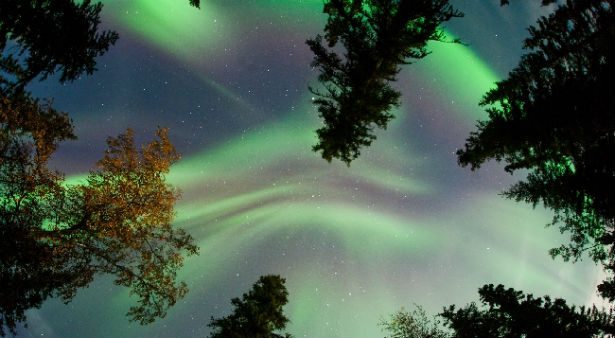
The Earth's magnetic field got disturbed in response to the arrival of the September 10 halo CME caused by X1.6 solar flare. Magnetometers around the world recorded a Geomagnetic Sudden Impulse at 15:55 UTC which signaled the arrival of the CME at
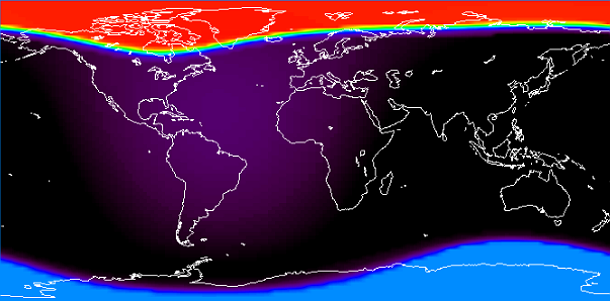
Earth is currently inside a solar wind stream flowing in from the massive coronal hole on the Sun's northern hemisphere. Elevated solar wind speed (above 600 km/s) combined with a south tilting Bz component of Interplanetary magnetic field (IMF) is responsible
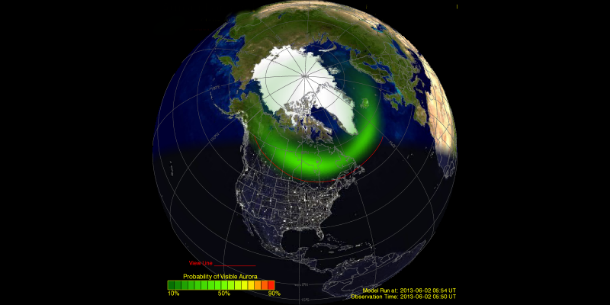
The arrival of an interplanetary shock wave on May 31, 2013 caused geomagnetic storming that reached G2 (Moderate) geomagnetic storm levels on NOAA/SWPC storm scale during June 1, 2013. The solar wind speed remains elevated above 650 km/s. Currently, geomagnetic
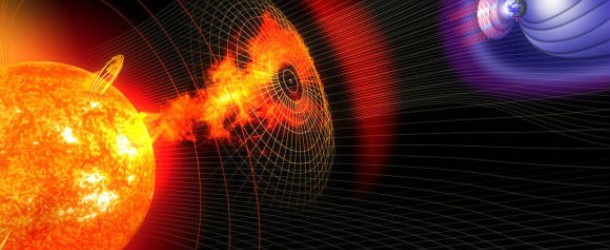
Heliophysics scientists study energy transformation from one event to the other and which electromagnetic waves create which conditions near Earth. Space weather effects can disrupt satellites in space, so scientists need to understand the system in even more detail.
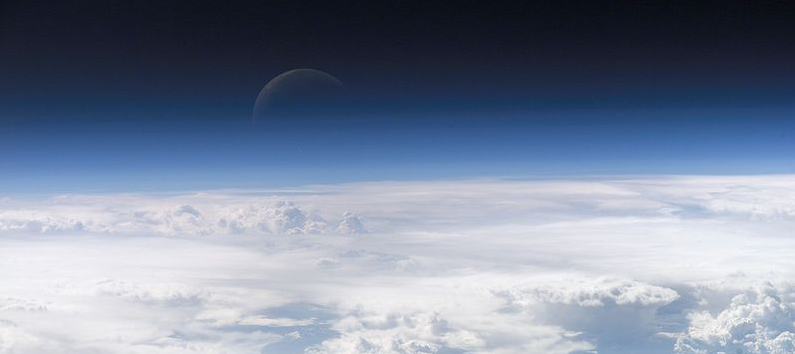
“Understanding interaction between the Earth’s magnetic field, or magnetosphere, and its upper atmosphere – known as the thermosphere/ionosphere – is especially important this year and in 2014, said Yue Deng, an assistant physics professor at University of Texas.
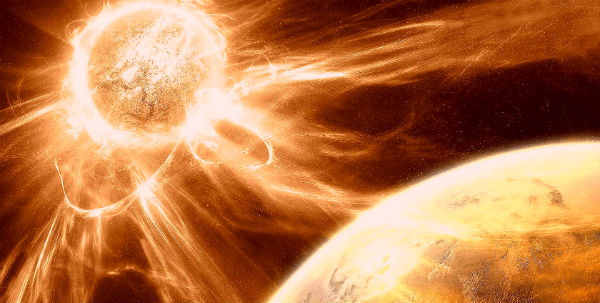
Researchers have found signs of an energy source in the solar wind, a hot and fast flow of magnetized gas that streams away from the sun’s upper atmosphere. Solar wind is made of hydrogen and helium ions with a sprinkling of heavier elements. Solar wind is
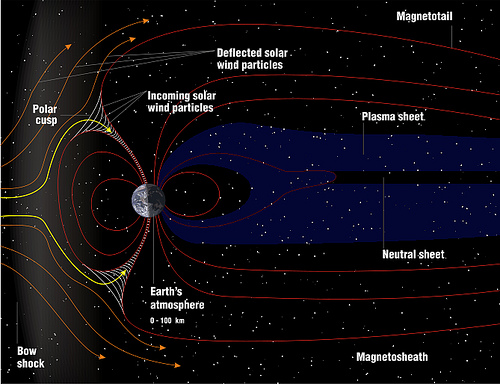
Using ESA’s Cluster satellites as a space plasma microscope, scientists have zoomed in on the solar wind to reveal the finest detail yet, finding tiny turbulent swirls that could play a big role in heating it.Turbulence is highly complex and all around us, evident
