
Intro to space weather vocabulary – video
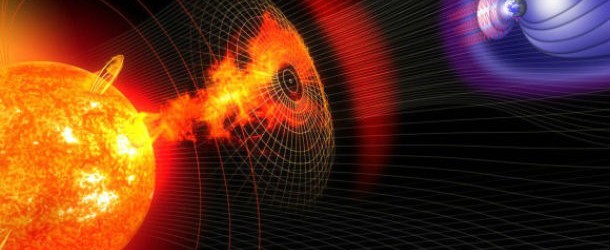
Featured image: illustration of a CME about to impact Earth’s magnetosphere (Credit: NASA/GSFC/SDO)
Heliophysics scientists study energy transformation from one event to the other and which electromagnetic waves create which conditions near Earth. Space weather effects can disrupt satellites in space, so scientists need to understand the system in even more detail. Watch the video bellow, released by NASA’s SDO, to see how events on the sun affect Earth. This intro to space weather covers vocabulary like coronal mass ejection (CME), solar wind, and solar flare. It also outlines potential effects of solar storms on our planet.
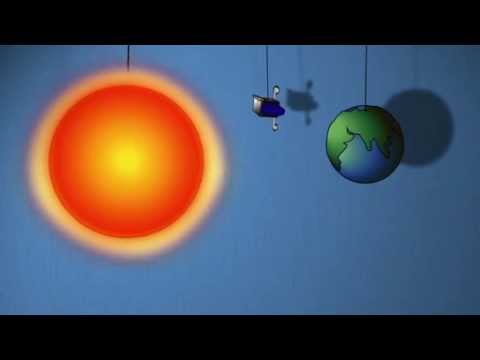
Heliophysics research studies how energy and material from the sun affects Earth and the entire solar system. It’s a complex system that begins on the Sun when events on the Sun, such as solar flares or coronal mass ejections, travel out into space. These cause electromagnetic effects that drive space weather close to Earth – from aurora to radio blackouts to changes in the radiation belts surrounding Earth.
Credit: Camilla Corona SDO

Published in the last 24 hours
- A Virginia park ranger was struck by lightning seven times and lived, even though three of the strikes set his hair on fire Epicenter
- The hole in the ozone layer over Antarctica was about twice the size of the US this year, and scientists say it would have been bigger still if ozone-eating chemicals were at their 2000 levels Epicenter
