• Strong M6.2 earthquake hits Mindanao, Philippines

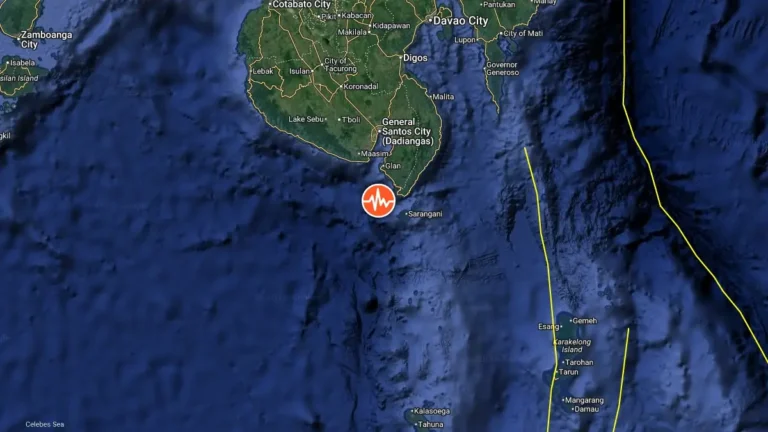
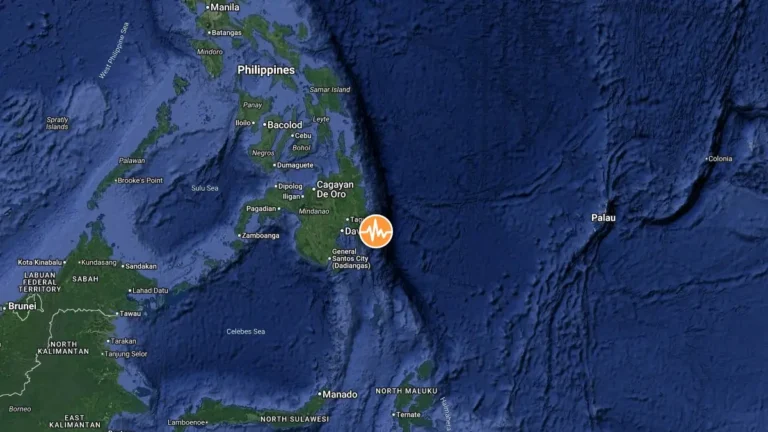
    A strong earthquake registered by the USGS as M6.2 struck Mindanao, Philippines at 15:49 UTC (23:49 LT) on July 14, 2026. The agency is reporting a depth of 67.9 km (42.2 miles). EMSC is reporting the same magnitude and depth.

  • 20 reported dead, 16 missing as Bavi-enhanced monsoon triggers floods and landslides, Philippines

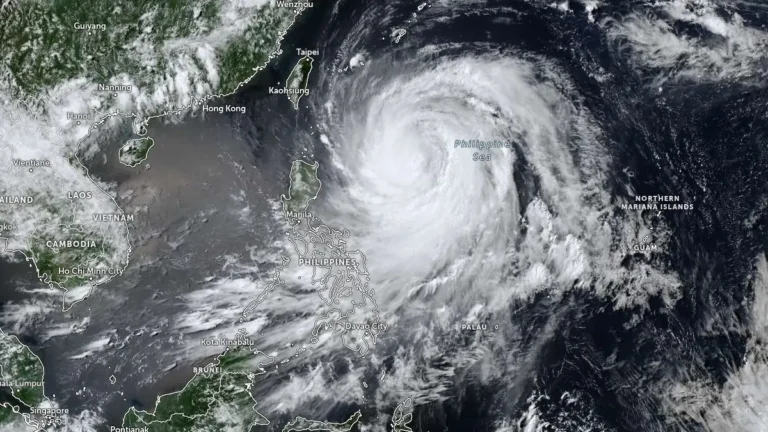
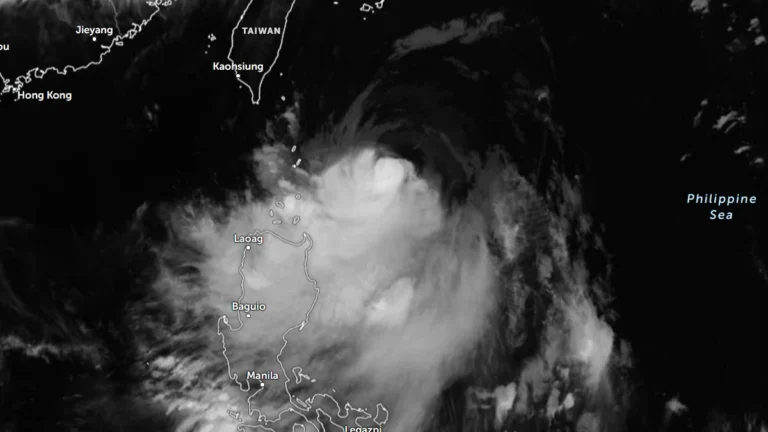
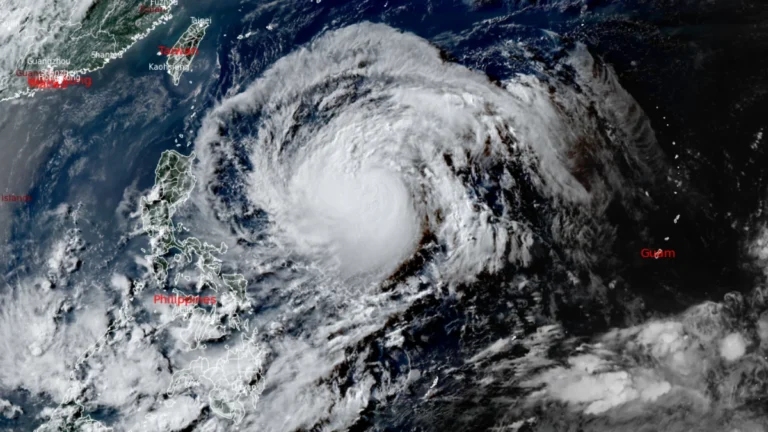
    The combined effects of Typhoon Bavi, locally named Inday, and the enhanced southwest monsoon left 20 people reported dead and 16 missing across the Philippines as of 08:00 LT (00:00 UTC) on Monday, July 13, 2026, while the National Disaster Risk Reduction and Management Council (NDRRMC) continued validating most casualty reports. About 654 000 people were affected nationwide, with flooding, landslides, damaged houses, disrupted roads, bridges and seaports, and about 20 100 people in evacuation centers.

  • Typhoon Bavi makes landfall in Zhejiang, China, after triggering mass evacuations

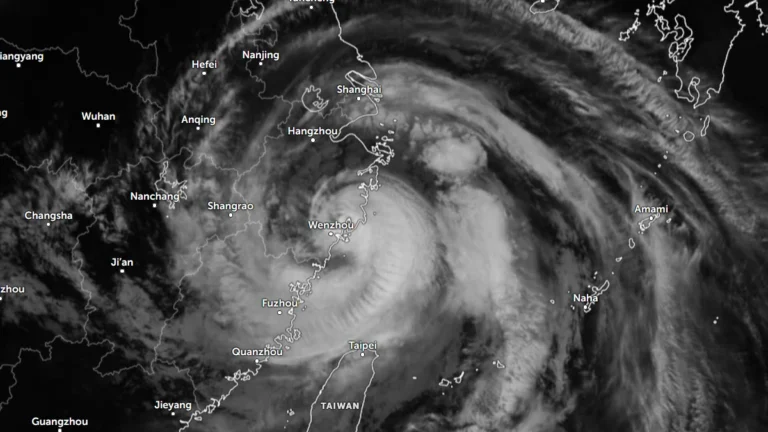
    Typhoon Bavi made landfall in Zhejiang Province, eastern China, at 23:20 local time (LT) on July 11, 2026, with 10-minute maximum sustained winds of 144 km/h (90 mph). The storm prompted the evacuation of more than 1.7 million people across eastern China. Bavi passed north of Taiwan before reaching the mainland and enhanced the southwest monsoon over the Philippines, where flooding and landslides caused fatalities.

  • Strong M6.5 earthquake hits Mindanao, Philippines

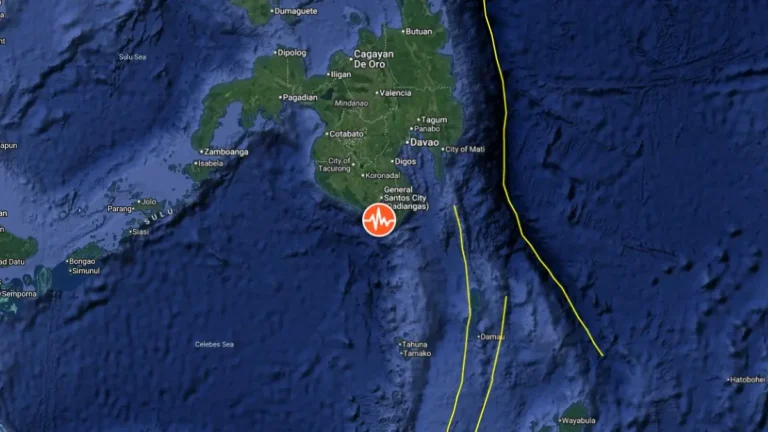
    A strong earthquake registered by the USGS as M6.5 hit Mindanao, Philippines at 11:34 UTC (19:34 LT) on June 26, 2026. The agency is reporting a depth of 52.4 km (32.6 miles). EMSC is reporting the same magnitude and depth. According to PTWC, there is no tsunami threat from this earthquake.

  • M7.8 earthquake raised parts of the seabed by up to 2 m (6.6 feet) in the southern Philippines

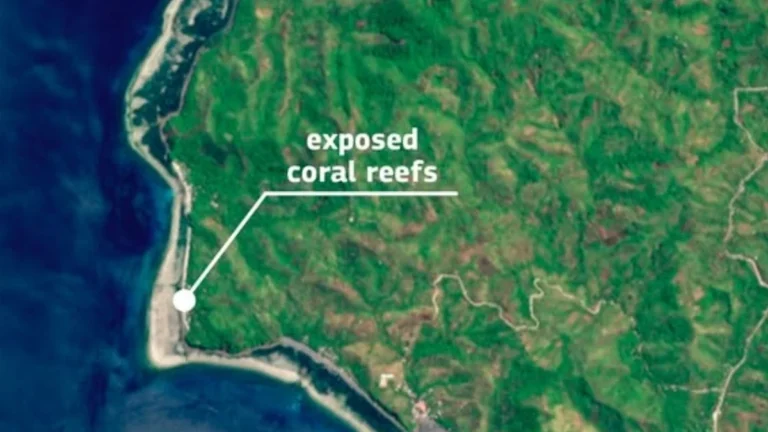
    PHIVOLCS reported that the M7.8 earthquake off southern Mindanao, which caused dozens of fatalities and widespread damage, raised sections of the coastline in Sarangani and Davao Occidental provinces by as much as 2 m (6.6 feet). Authorities and environmental teams observed shoreline expansion reaching up to 200 m (656 feet) in some locations, exposing coral reefs and marine ecosystems that had previously remained underwater.