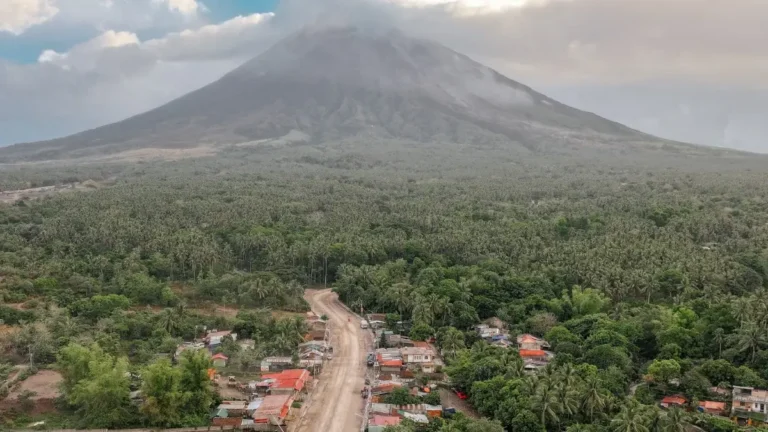
• Kanlaon eruption sends ballistics 1.5 km high, triggers PDCs, forest fires and ashfall across 121 barangays

    A significant explosive eruption occurred at Kanlaon Volcano, Philippines, at 19:04 local time (LT) on February 26, 2026, sending a dense ash plume 2.5 km (1.6 miles) above the crater and producing pyroclastic density currents (PDCs) that descended its upper slopes. The eruption lasted two minutes and was followed by 77 minutes of continuous ash emission dispersed over southern Negros Island.

  • Heavy rains cause deadly landslides in Davao Region, Philippines

    At least seven people were killed in two rain-induced landslides in the Davao Region of southern Mindanao on February 19–20, 2026, after days of continuous rainfall generated by a persistent shear line and easterly winds. The fatal events occurred in Monkayo, Davao de Oro, and Mati City, Davao Oriental.

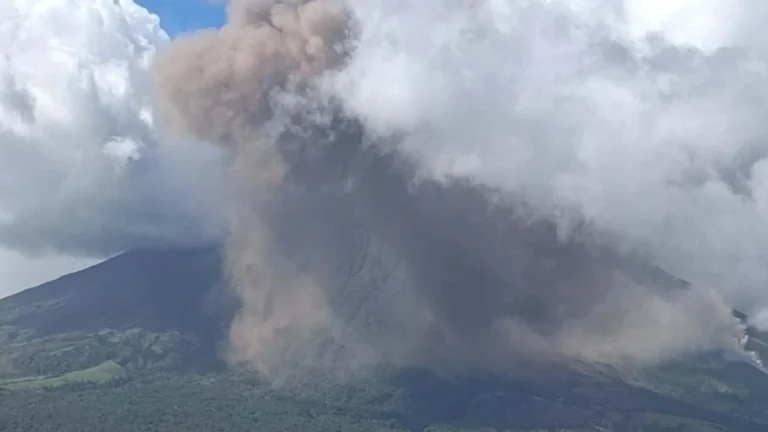
  • Explosive eruption at Kanlaon displaces over 30 families, ashfall blankets western areas, Philippines

    More than 30 families evacuated La Carlota City, Negros Occidental, Philippines, after an explosive eruption at Kanlaon volcano at 16:39 LT (08:39 UTC) on February 19, 2026. The eruption generated a 2 000 m (6 562 feet) ash plume, pyroclastic density currents within 2 km (1.2 miles) of the crater, and ashfall across 41 barangays in six cities and municipalities.

  • Tropical Storm Penha leaves 8 dead and 645 612 affected after crossing southern-central Philippines

    Tropical Depression Penha crossed southern-central Philippines from February 5–7, 2026, leaving at least eight people dead and 645 612 affected across six regions, according to the National Disaster Risk Reduction and Management Council (NDRRMC) as of February 10. More than 86 000 people were displaced, including nearly 60 000 staying in 438 evacuation centres, while enhanced rainfall from a shear line continues to affect central and southern parts of the country.

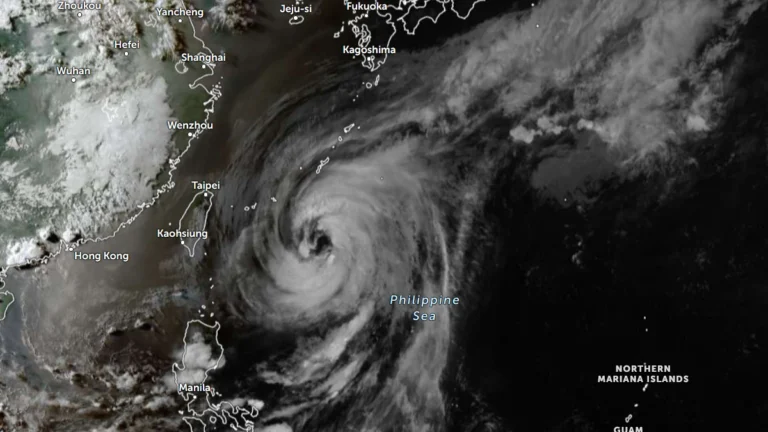
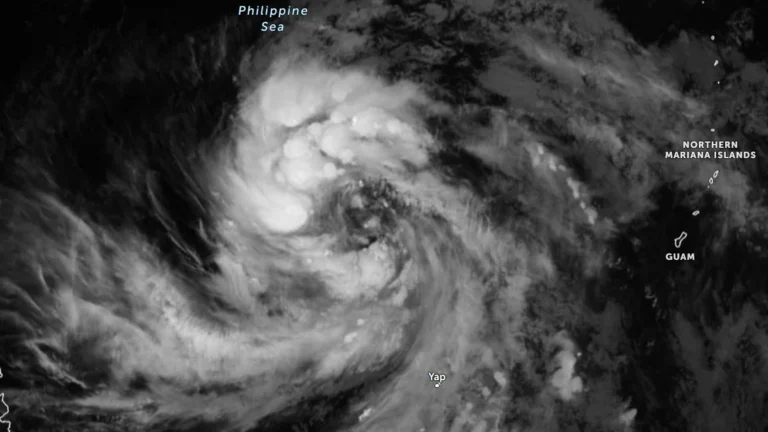
  • Tropical Storm Penha (Basyang) expected to make multiple landfalls over Mindanao and Visayas, Philippines

    Tropical Storm Basyang is forecast to make multiple landfalls across the southern and central Philippines, beginning with Surigao del Sur late February 5 or early February 6, 2026. The system is forecast to cross Mindanao and may pass close to or make landfall over Siquijor and southern Negros Oriental before moving toward Palawan.

  • Nuclear-linked iodine-129 detected in the West Philippine Sea

    Elevated concentrations of iodine-129 were detected in seawater samples collected recently from the West Philippine Sea during a nationwide marine radioisotope survey conducted by the University of the Philippines Marine Science Institute. The concentrations were higher than those measured in other Philippine marine areas, despite the Philippines having no active nuclear power plant or nuclear weapons program.

  • Evacuations underway after Mayon volcano’s dome collapse and pyroclastic flows, Philippines

    Nearly 3 000 residents have been evacuated from communities around Mayon volcano in Albay Province, Philippines, after the Philippine Institute of Volcanology and Seismology (PHIVOLCS) raised the alert status to Level 3 on January 6, 2026. The evacuation follows intensified dome collapse events, pyroclastic density currents, and ongoing effusive lava extrusion at the summit.

  • Super Typhoon Fung-wong (Uwan) makes nighttime landfall in northern Luzon, Philippines

    Super Typhoon Fung-wong (known locally as Uwan) made landfall over Dinalungan, Aurora, northern Luzon, at about 21:10 LT (13:10 UTC) on November 9, 2025, with maximum sustained winds near 185 km/h (115 mph) and gusts up to 230 km/h (143 mph). More than 1.1 million people were pre-emptively evacuated across 12 regions, and at least two fatalities and two injuries have already been confirmed.