Lava starts flowing from the summit crater of Mayon volcano, Philippines
After increased unrest detected since June 5, the activity at Mayon volcano in the Philippines increased further on June 11 with lava flowing from the summit crater.


After increased unrest detected since June 5, the activity at Mayon volcano in the Philippines increased further on June 11 with lava flowing from the summit crater.
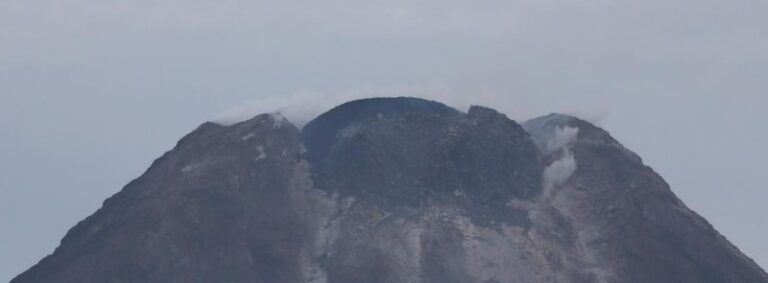
The Mayon volcano in the province of Albay, Bicol Region, central Philippines, is showing signs of increased activity since June 5, 2023, when the Alert Level was raised to 2. On June 8, the Alert Level was raised to 3, prompting authorities to issue evacuation orders for all residents living within a 6 km (6 miles) radius of the crater — about 17 000 people. Another 40 000 people will have to evacuate if the Alert Level is raised to 4.
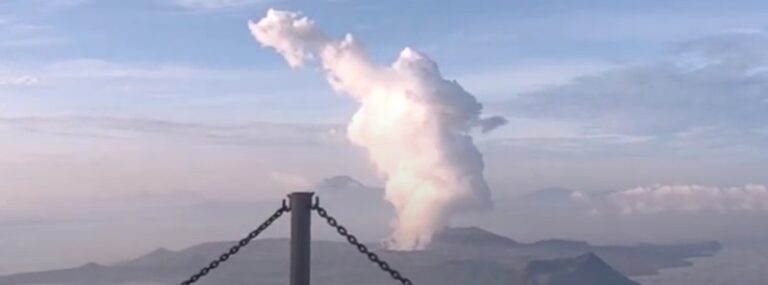
In an event unfolding from the evening of June 3 to the early hours of June 4, 2023, Taal Volcano showcased an increased degassing activity, leading to the formation of steam-rich plumes reaching up to 3 000 m (9842 feet) above the Taal Volcano Island. This activity has resulted in significant volcanic smog or vog over the Taal Caldera, affecting local municipalities.

The Philippine Institute of Volcanology and Seismology (PHIVOLCS) raised the Alert Level for the Mayon volcano from Level 1 to Level 2 on June 5, 2023, indicating increased volcanic unrest that may potentially precede hazardous eruptions.
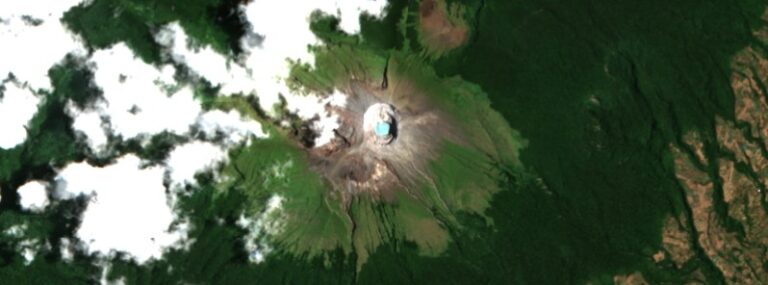
A sharp increase in SO2 emissions was recorded at Kanlaon volcano last week, creating concerns over potential phreatic eruptions.

Increased activity under Bulusan volcano, Philippines prompted PHIVOLCS to raise the Alert Level for the volcano from 0 to 1 on October 13, 2022.
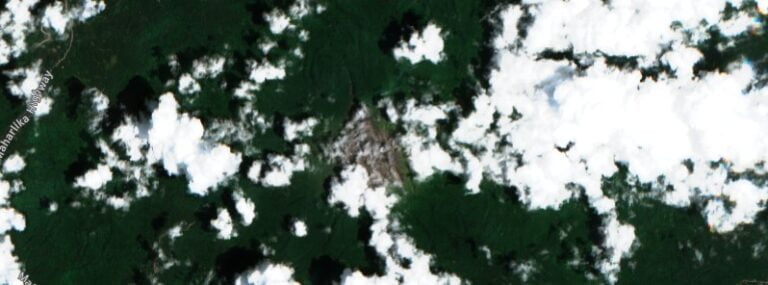
Activity under Bulusan volcano, Philippines increased on October 6, 2022. While the volcano is still on Alert Level 0 (Normal), this is subject to change should current activity persist.
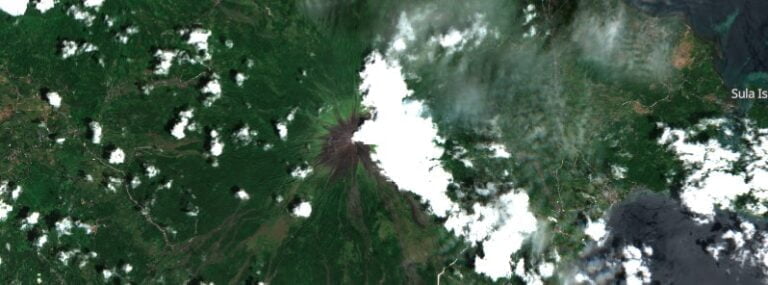
PHIVOLCS raised the Alert Level for Mayon volcano from 1 to 2 on October 7, 2022. The current unrest is driven by shallow magmatic processes that could eventually lead to phreatic eruptions or even precede hazardous magmatic eruption.

A new phreatic eruption was detected by the Bulusan Volcano Network at 20:37 UTC on June 11, 2022 (03:37 LT on June 12). The event lasted 18 minutes based on the seismic record but the eruption plume was not visible in camera monitors. Bulusan’s last eruption took place on June 5, forcing PHIVOLCS to raise the Alert Level to 1.

A powerful phreatic eruption took place at Bulusan volcano, Philippines at 02:37 UTC (10:37 LT) on June 5, 2022. As a result, the Philippine Institute of Volcanology and Seismology raised the Alert Level for the volcano from 0 to 1.
