• Repeated lava-collapse pyroclastic flows continue at Mayon volcano, Philippines

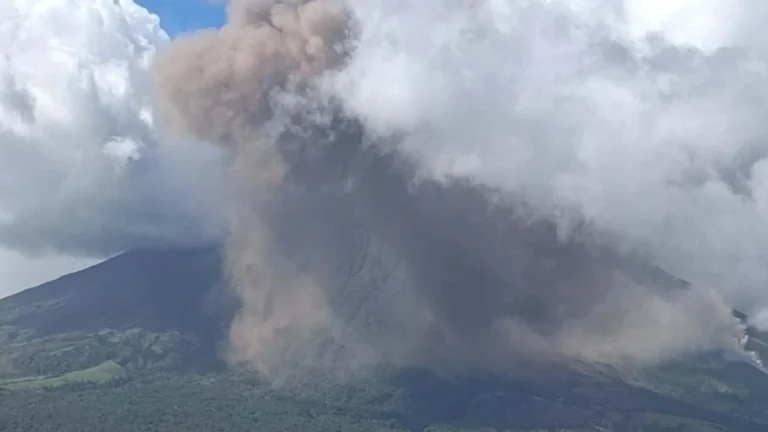
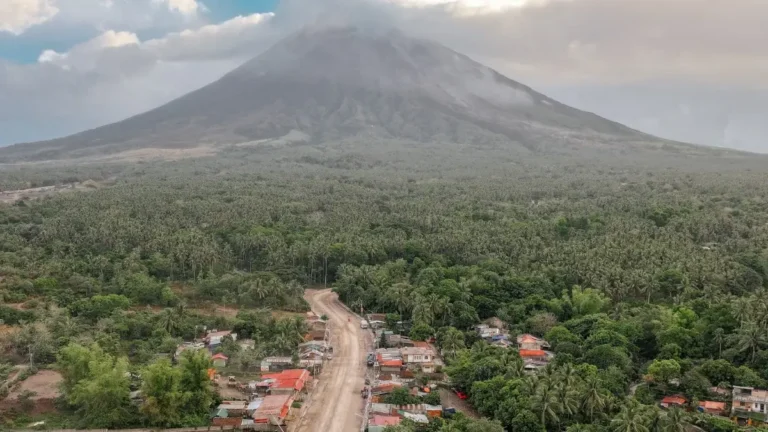
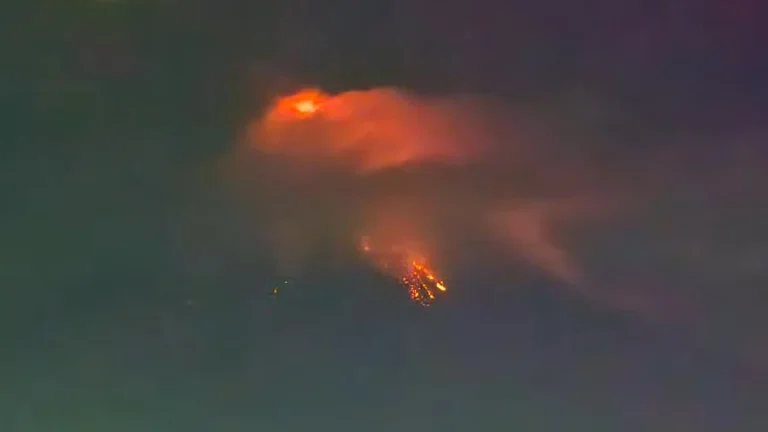
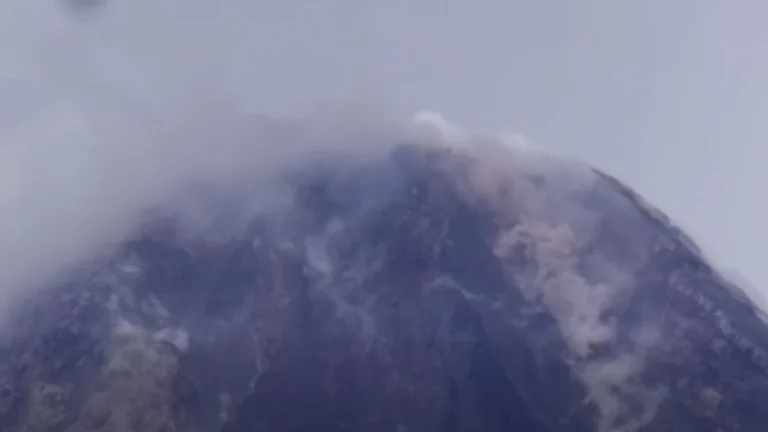
    Mayon volcano remained under Alert Level 3 on Friday, May 8, 2026, with PHIVOLCS reporting lava flows in three gullies, elevated sulfur dioxide emissions, volcanic earthquakes, and repeated lava-collapse pyroclastic flow activity. Today’s observations follow a large eruption sequence on May 2, when collapse-generated pyroclastic flows traveled up to 5 km (3.1 miles), generating widespread ashfall across parts of Albay Province and prompting evacuations affecting thousands of residents.

  • Strong eruption at Mayon volcano generates large pyroclastic flows, heavy ashfall in Albay, Philippines

    Pyroclastic density currents generated by a lava collapse at Mayon volcano in Albay, Philippines, on May 2, 2026, reached an estimated runout distance of 4 km (2.5 miles) along Mi-isi Gully and produced ashfall affecting 52 barangays across Guinobatan, Camalig, and Ligao City. Ashfall reduced visibility to near zero in parts of Camalig, blanketed homes, roads, crops, and grazing land, and prompted face mask distribution and health advisories.

  • Schools closed, ashfall reported after explosive eruption at Kanlaon volcano, Philippines

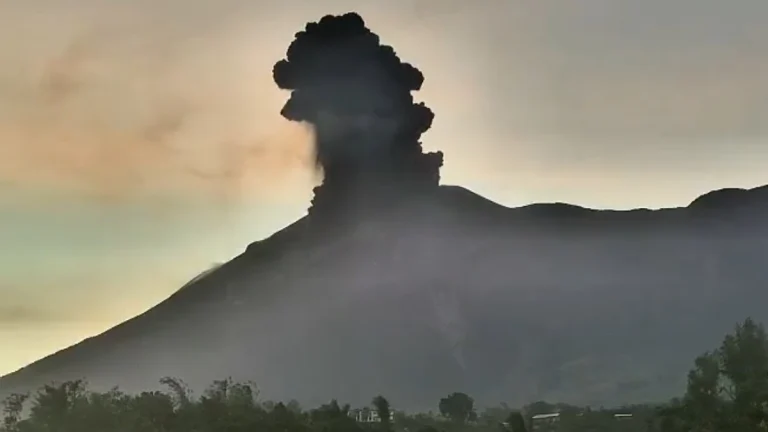
    An explosive eruption occurred at Kanlaon volcano on Negros Island, central Philippines, at 18:07 LT (10:07 UTC) on March 15, 2026, producing an ash plume rising more than 5 km (3.1 miles) above the summit and depositing ashfall across at least 54 barangays in 11 local government units. Monitoring data associated with the event recorded nine volcanic earthquakes and sulfur-dioxide emissions of about 1 085 tonnes per day. Authorities also reported vegetation fires on the volcano’s slopes and suspended classes in several municipalities on March 16 as a precaution.

  • Increased seismic activity recorded at Bulusan volcano, Philippines

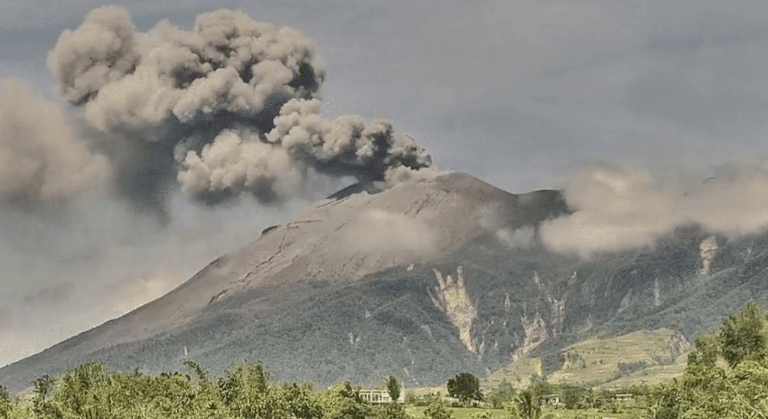
    A total of 49 volcanic earthquakes were recorded at Bulusan Volcano in Sorsogon Province, Philippines, between 03:00 LT on February 26 and 11:00 LT on March 2, 2026, prompting authorities to issue an advisory on increased seismic activity. Sixteen of the events were classified as volcano-tectonic earthquakes occurring at depths of 3–6 km (1.9–3.7 miles) beneath the northern and southeastern flanks of the volcano. Alert Level 0 remains in effect, but officials warn of a possible sudden phreatic eruption.

  • Kanlaon eruption sends ballistics 1.5 km high, triggers PDCs, forest fires and ashfall across 121 barangays

    A significant explosive eruption occurred at Kanlaon Volcano, Philippines, at 19:04 local time (LT) on February 26, 2026, sending a dense ash plume 2.5 km (1.6 miles) above the crater and producing pyroclastic density currents (PDCs) that descended its upper slopes. The eruption lasted two minutes and was followed by 77 minutes of continuous ash emission dispersed over southern Negros Island.

  • Explosive eruption at Kanlaon displaces over 30 families, ashfall blankets western areas, Philippines

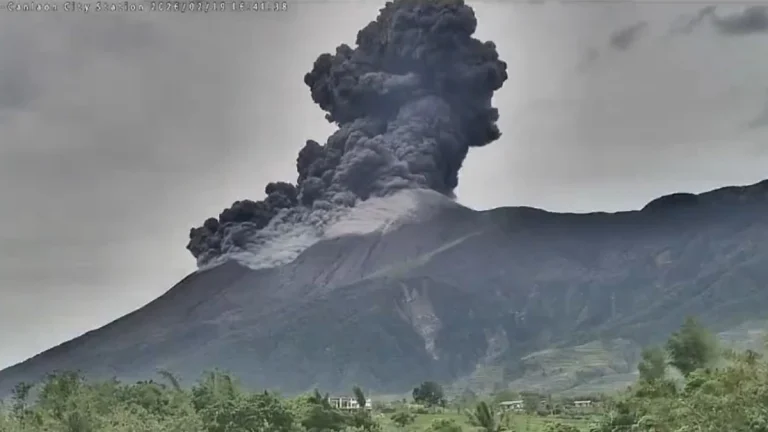
    More than 30 families evacuated La Carlota City, Negros Occidental, Philippines, after an explosive eruption at Kanlaon volcano at 16:39 LT (08:39 UTC) on February 19, 2026. The eruption generated a 2 000 m (6 562 feet) ash plume, pyroclastic density currents within 2 km (1.2 miles) of the crater, and ashfall across 41 barangays in six cities and municipalities.

  • Evacuations underway after Mayon volcano’s dome collapse and pyroclastic flows, Philippines

    Nearly 3 000 residents have been evacuated from communities around Mayon volcano in Albay Province, Philippines, after the Philippine Institute of Volcanology and Seismology (PHIVOLCS) raised the alert status to Level 3 on January 6, 2026. The evacuation follows intensified dome collapse events, pyroclastic density currents, and ongoing effusive lava extrusion at the summit.

  • PHIVOLCS warns of possible lahars at Kanlaon volcano as heavy rain from Severe Tropical Storm Kalmaegi approaches

    The Philippine Institute of Volcanology and Seismology (PHIVOLCS) has issued a lahar advisory for Kanlaon Volcano on Negros Island, warning that heavy to intense rainfall from Severe Tropical Storm Tino (#TinoPH) may generate volcanic sediment flows on the volcano’s southern and western slopes while Alert Level 2 remains in effect.