Major explosion recorded at Stromboli volcano, Italy
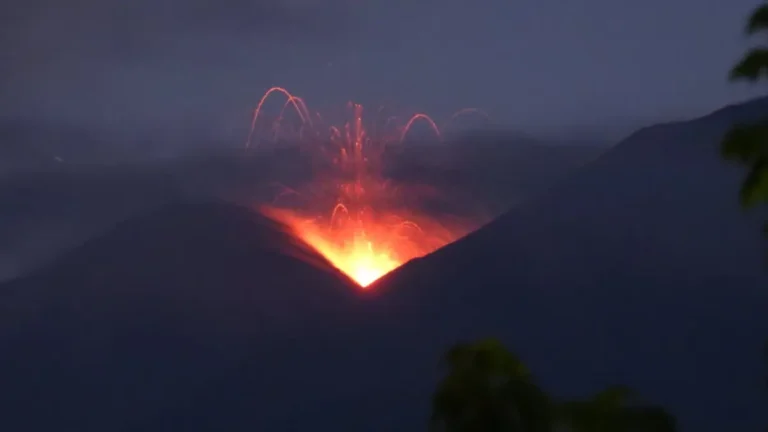
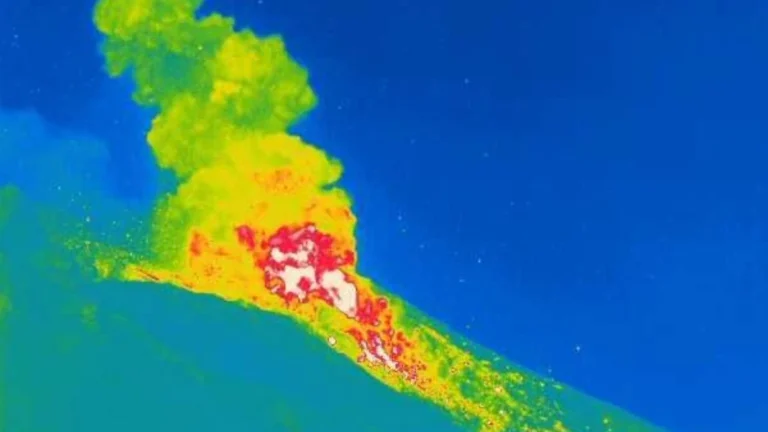
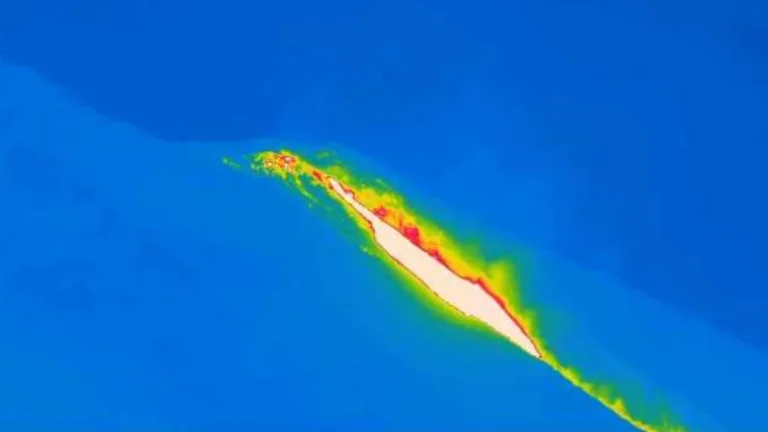
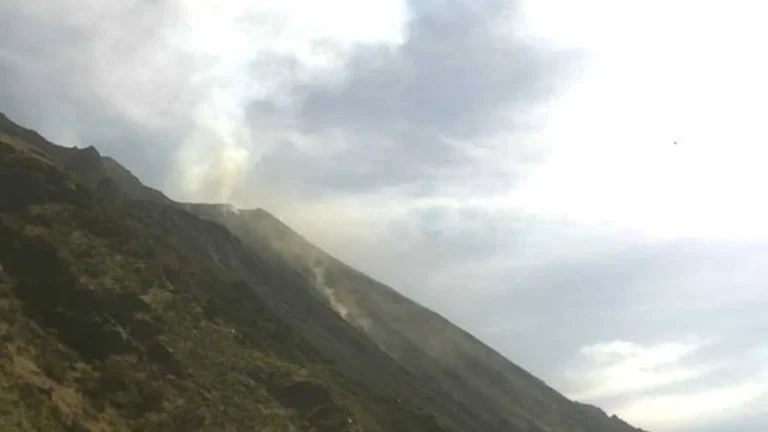
Italy’s National Institute of Geophysics and Volcanology (INGV) reported a major explosion at Stromboli volcano at 07:12 LT (05:12 UTC) on June 12, 2026.

Italy’s National Institute of Geophysics and Volcanology (INGV) reported a major explosion at Stromboli volcano at 07:12 LT (05:12 UTC) on June 12, 2026.

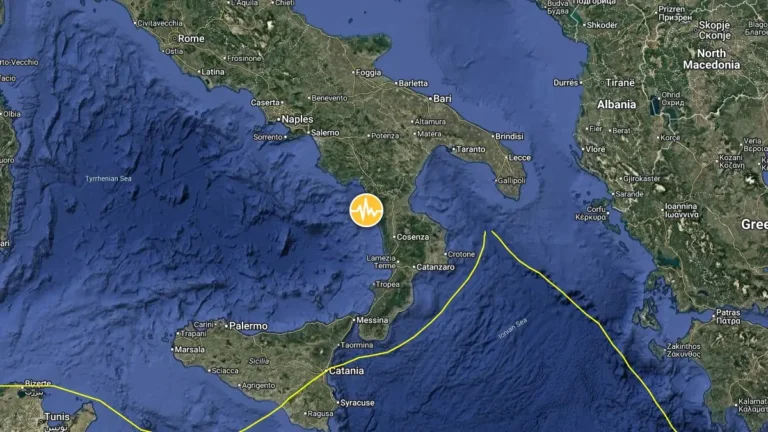
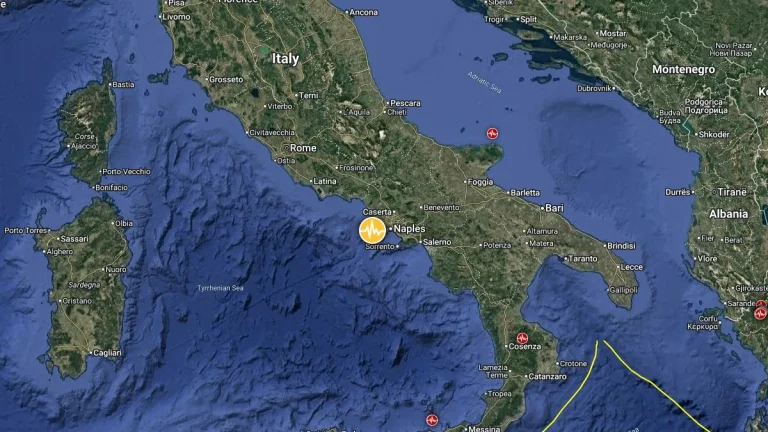
A strong earthquake registered by the USGS as M6.2 struck southern Italy at 22:12 UTC on June 1, 2026. The agency is reporting a depth of 243 km (151 miles). INGV is reporting an ML6.2 (Mw6.1) earthquake at a depth of 250 km (155 miles).

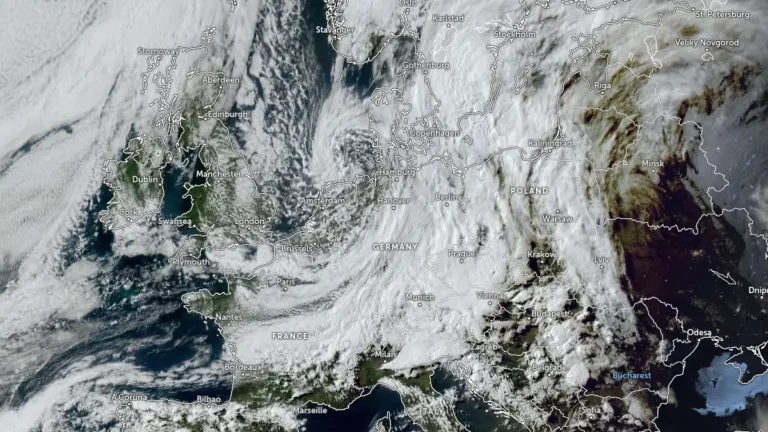
Severe thunderstorms continued across parts of northern Italy, Slovenia, Croatia, and the western Balkans on Monday, May 11, 2026. ESTOFEX forecasters warn the severe weather corridor is expected to shift east on Tuesday, with Level 2 risk areas extending from southeastern Romania through Bulgaria into northeastern Greece and northwestern Turkey. Large hail, localized heavy rainfall, and severe wind gusts remain the primary hazards.

Lava overflow activity increased at Stromboli from 21:20 LT (19:20 UTC) on May 4, 2026, sending a flow from the North crater area down the Sciara del Fuoco to the coastline by about 03:00 LT (01:00 UTC) on May 5. INGV reported average volcanic tremor, a slight increase in explosion-related earthquakes, and no significant GNSS change.

Stromboli’s North Crater area is producing intense spattering on May 4, 2026, feeding a lava overflow onto the Sciara del Fuoco, INGV-OE reported at 11:21 UTC. The lava front was in the middle-upper section of the slope, while volcanic tremor was in the high range.

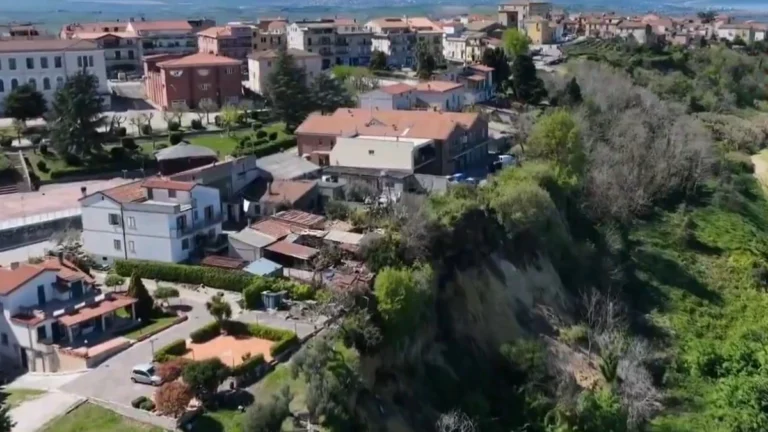
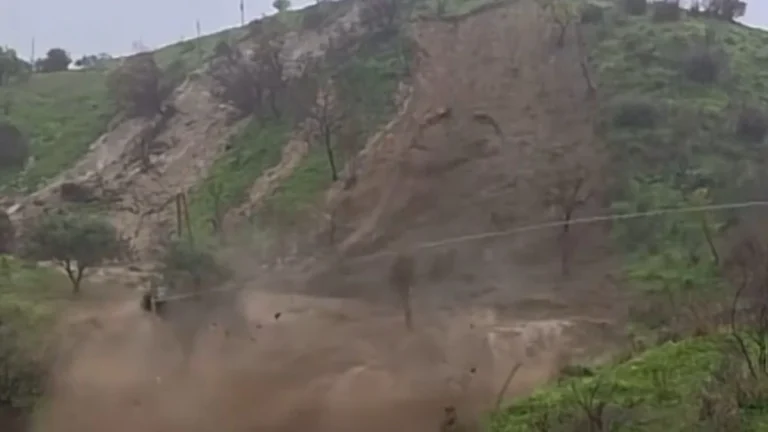
A large landslide reactivated in Petacciato, Campobasso Province, Italy, on April 7, 2026, after more than 200 mm (7.9 inches) of rainfall within a few days, blocking a 4 km (2.5 miles) section of the A14 motorway and the Adriatic railway line and forcing precautionary evacuations. Approximately 50 people were evacuated as authorities activated emergency response measures and rerouted traffic across the region.

A landslide struck above residential areas in Crosia, Province of Cosenza, Italy, on March 17, 2026, as severe weather caused the Trionto and Fiumarella rivers to overflow, triggering flooding and emergency evacuations.

A strong earthquake registered by the USGS as M6.0 struck near Naples, Italy, at 23:03 UTC on March 9, 2026 (00:03 LT on March 10). The agency is reporting a depth of 373 km (232 miles). EMSC is reporting M5.9 at a depth of 375 km (233 miles).

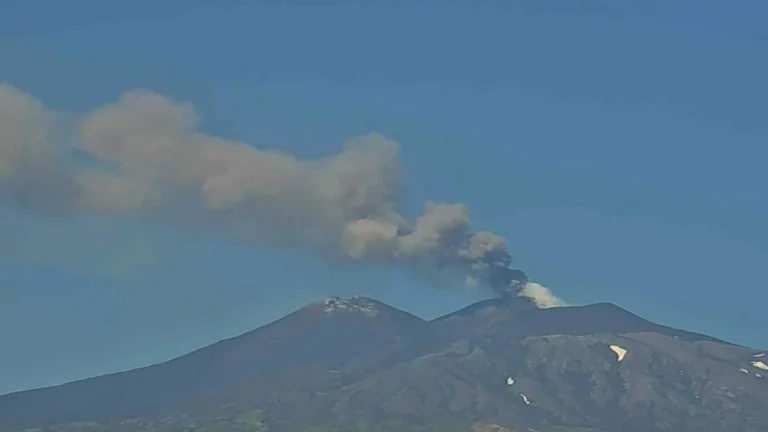
An impulsive explosion from the Bocca Nuova crater at Mount Etna, Italy, generated a short-lived ash emission at 13:12 LT (12:12 UTC) on March 4, 2026. Surveillance cameras recorded the ash plume dispersing quickly toward the eastern side of the volcano. The eruption followed an earthquake swarm on Mount Etna’s southwestern flank earlier in the day, which included a notable ML4.5 earthquake.

Thick Saharan dust from North Africa covered parts of Portugal, Spain, France, Italy, and neighboring countries on March 4, 2026, producing hazy skies, orange deposits, and moderate-to-poor air quality. Forecasts show the plume spreading toward central Europe before dispersing after March 6.