• Ancient rocks link Late Antique Little Ice Age to Roman Empire decline

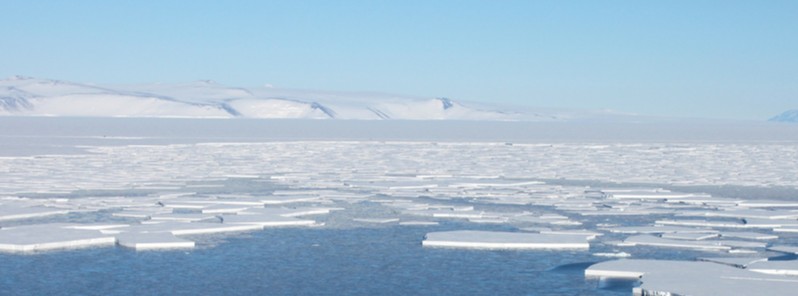
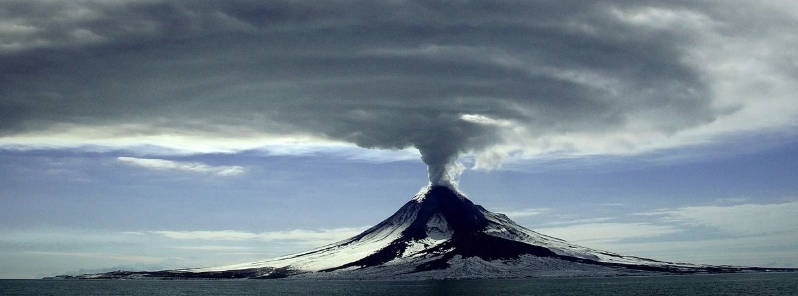
    Historians have long debated whether climate change contributed to the fall of the Roman Empire. New geological evidence from Iceland supports that link, showing that a sudden surge of Greenlandic iceberg transport during the Late Antique Little Ice Age coincided with a period of instability, famine, and migration across Europe. The ice age is thought to have been triggered by volcanic ash from three massive eruptions, which blocked out sunlight and lowered global temperatures.
  • Ice Age research provides crucial insight into climate ‘tipping points’ caused by AMOC

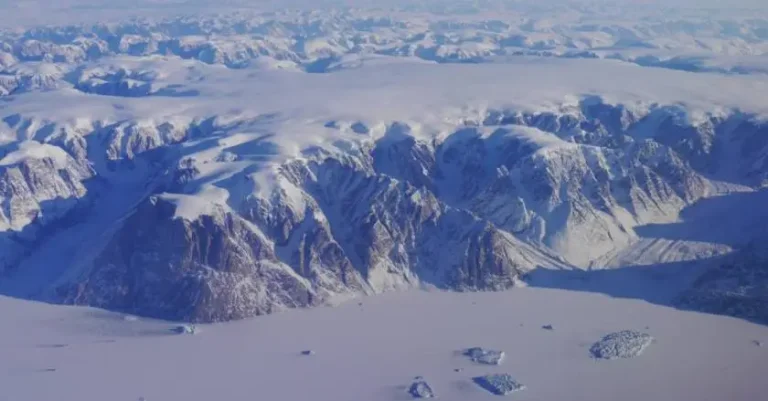
    Recent research on the Dansgaard-Oeschger event provides a better understanding of climate tipping points during the last Ice Age. The researchers used multiple ice cores collected across Greenland with data spanning up to 120 000 years, providing a new understanding of these abrupt events, how they unfold, and what that might mean for the future. It is really important to understand such tipping points in the climate, because they may result in catastrophic and irreversible change, the lead author of the study said.

  • ‘True polar wander’ and Earth’s ice ages

    Rice University geophysicists have determined Earth shifted relative to its spin axis within the past 12 million years, which caused Greenland to move far enough toward the north pole to kick off the ice age that began about 3.2 million years ago. The study is based…

  • Study links Earth’s orbital variations, sea ice and ice ages

    Earth is currently in what climatologists call an interglacial period, a warm pulse between long, cold ice ages when glaciers dominate our planet's higher latitudes. For the past million years, these glacial-interglacial cycles have repeated roughly on a…