• Severe storms and Saharan dust batter Greece, leaving widespread disruption and 1 dead

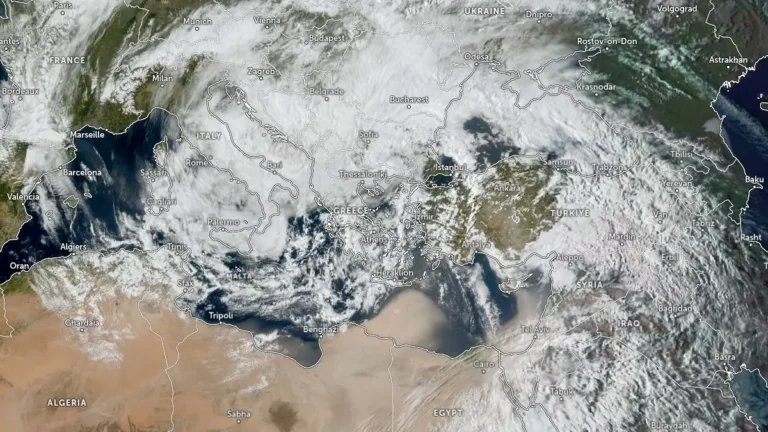
    A multi-day severe storm system, named Storm Erminio in Greek media, affected Greece in early April 2026, bringing heavy rainfall, strong winds, and Saharan dust that caused flooding, one fatality, multiple rescues, and widespread disruption to maritime and air transport. The hardest-hit areas included Attica, the Aegean islands, Crete, and parts of the Peloponnese.
  • Flooding impacts northern Indiana, southern Michigan and northwest Ohio after heavy rainfall

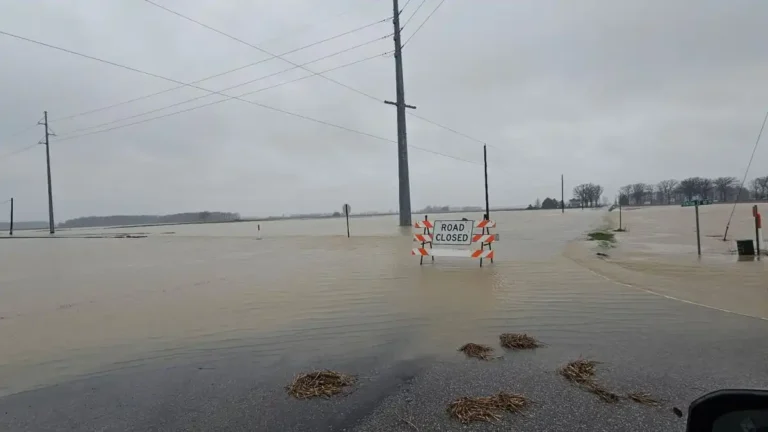
    Flooding developed across northern Indiana, southern Michigan, and northwest Ohio between March 31 and April 5, 2026, following multiple rounds of heavy rainfall totaling over 100 mm (4 inches) in many locations. Rivers including the St. Joseph, Maumee, and Tippecanoe rose rapidly to moderate flood stage, with some locations experiencing sharp rises within hours. Flooding impacted parks, infrastructure, and transportation, with additional storm damage reported in parts of Ohio.

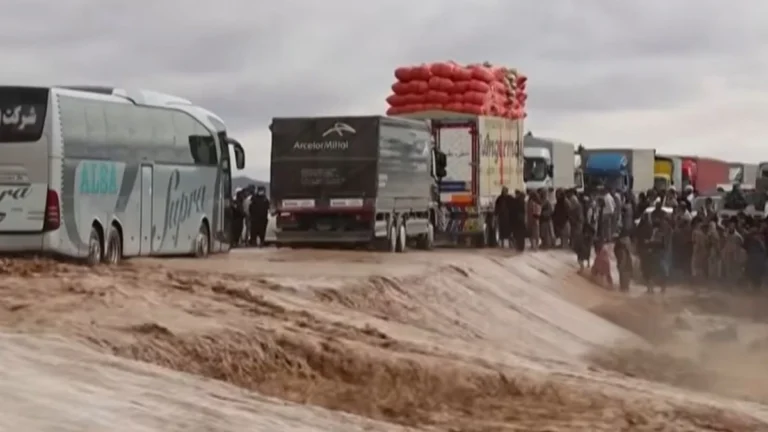
  • Widespread flooding leaves at least 148 dead across Afghanistan

    Widespread flooding across Afghanistan has left at least 148 people dead as of April 8, 2026, following nearly two weeks of persistent storms, flash floods, and landslides. The event, which began in late March, has affected most of the country’s provinces, destroying more than 1 100 homes, damaging thousands more, and impacting over 6 000 families.

  • Floods leave 34 dead and affect over 310 000 people in Malawi

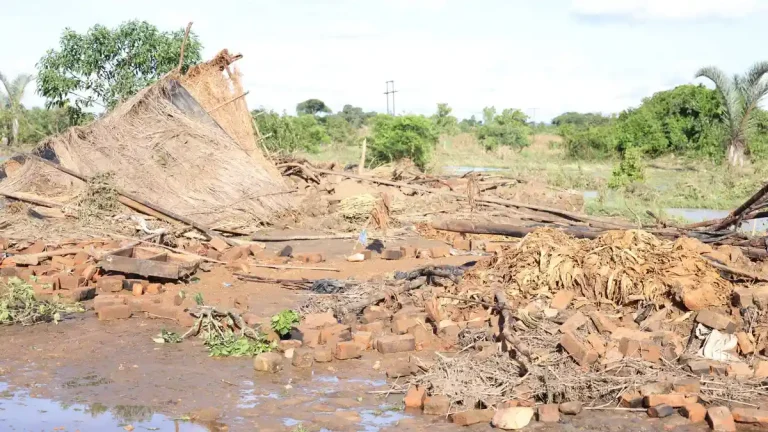
    Flooding triggered by heavy rainfall affected multiple districts across Malawi between March 15–18, 2026, leaving 34 people dead and 197 injured. The disaster impacted approximately 310 896 people across 69 088 households, with 6 155 households displaced and sheltered in 84 camps, according to the Department of Disaster Management Affairs (DoDMA).

  • Heavy rain triggers urban flooding and transport disruption in Dubai, UAE

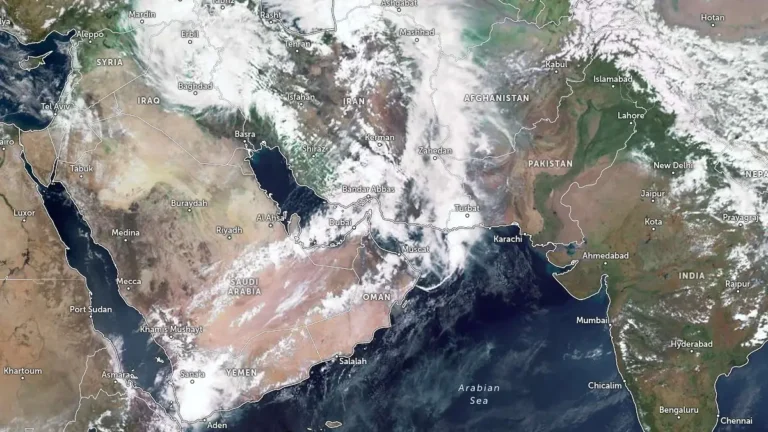
    Flooding affected Dubai, United Arab Emirates, between March 23 and 27, 2026, after a multi-day period of thunderstorms and heavy rainfall impacted large parts of the country. Roads were inundated, vehicles became stranded, and transport operations experienced disruptions as rainfall totals exceeded 100 mm (3.9 inches) in parts of the UAE.

  • Floods and landslides across Ecuador kill 11 and damage thousands of homes

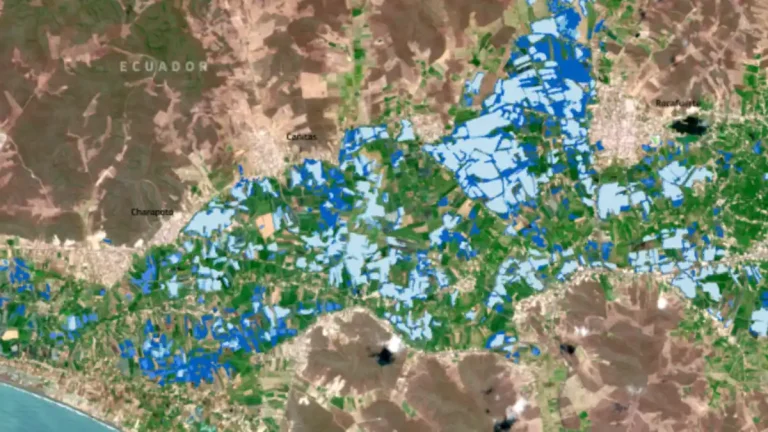
    Flooding and landslides in Ecuador have affected more than 46 000 people across the country since January 1, 2026, leaving 11 people dead and 24 injured, according to the latest update issued on March 13. Authorities report widespread impacts, including hundreds of flood and landslide events, overflowing rivers, and extensive damage to housing and infrastructure across multiple provinces.

  • Severe flooding kills 42 across Kenya as heavy rains trigger flash floods in Nairobi

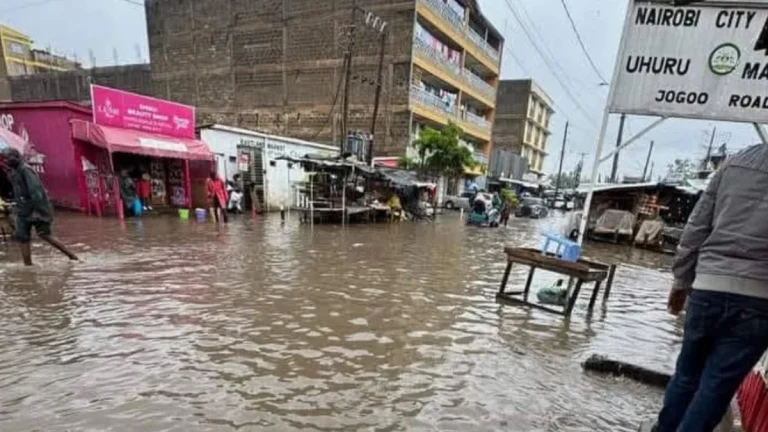
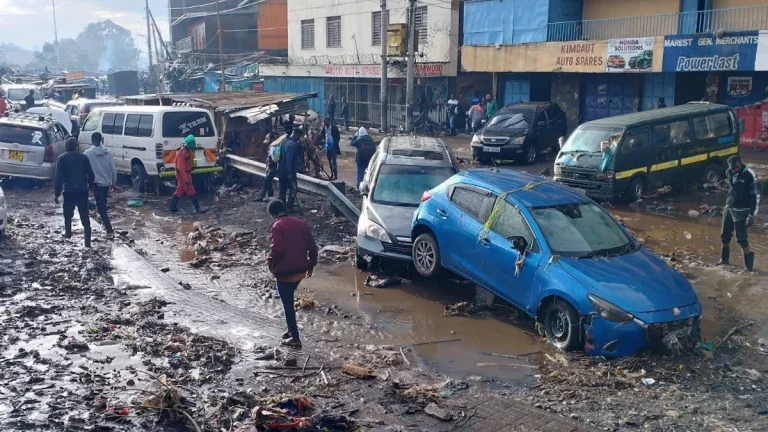
    Severe flooding killed at least 42 people across Kenya by March 9, 2026, after heavy rains triggered flash floods in Nairobi and other parts of the country over the weekend. Available reporting indicated that about 25–26 of the deaths were recorded in the capital, where floodwaters swept away vehicles, disrupted transport, and forced large-scale rescue operations.

  • Record rainfall hits Dallas–Fort Worth as storms flood highways across North Texas

    Record rainfall struck Dallas–Fort Worth, Texas, on March 4, 2026, when Dallas–Fort Worth International Airport recorded 39.4 mm (1.55 inches) of rain, breaking the previous daily record of 32.3 mm (1.27 inches) set in 1937. The storms flooded highways across North Texas, caused the collapse of a commercial building roof on Kingsley Road, and triggered a lightning-caused house fire in Fort Worth.

  • Another storm strikes Juiz de Fora as death toll climbs to 49 in Minas Gerais, Brazil

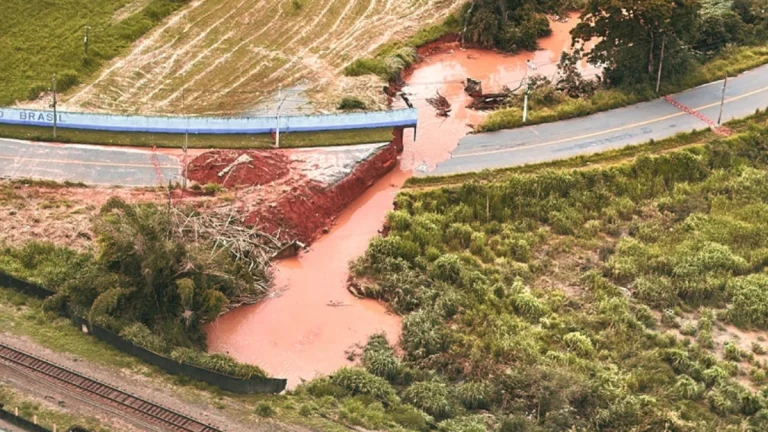
    Another storm system is bringing heavy rainfall across Juiz de Fora in Minas Gerais, as the death toll from the previous storm climbed to 49 on February 26, 2026. The government has allocated nearly USD 10 million for relief efforts across Minas Gerais, of which more than 7 million is to be used just for Juiz de Fora. The heavy ongoing rainfall has also made it difficult to plant corn crops in the region as saturated soils have made it difficult to prepare and work in the fields.