• Fire Weather Watches issued, SPC forecasts Critical conditions across parts of Nevada and Oregon

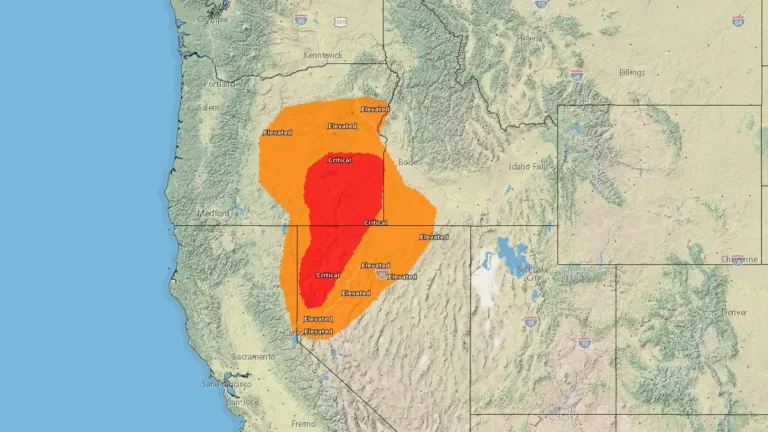
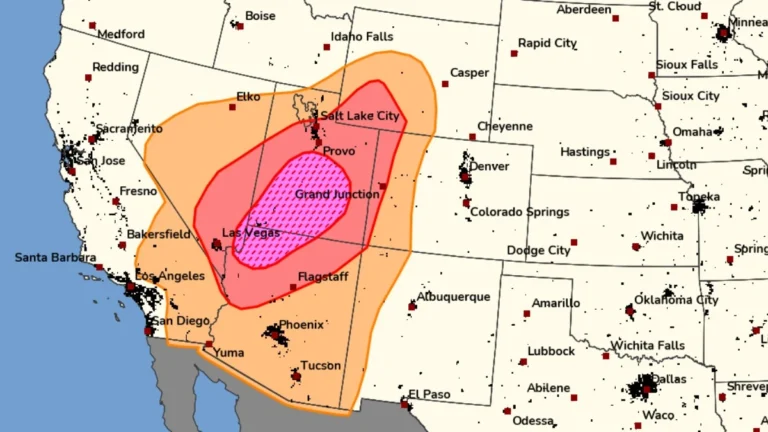
    Critical fire weather conditions are forecast across a corridor from northwestern Nevada into southeastern Oregon on Monday afternoon, May 25, with sustained southwesterly winds of 32–40 km/h (20–25 mph), minimum RH of 10–15%, and recent fire activity showing fuels becoming more receptive to wildfire spread. NWS offices issued Fire Weather Watches for parts of northern Nevada, northeastern California, and the West Humboldt Basin for Monday afternoon and evening.

  • Southern High Plains under Extremely Critical fire weather outlook

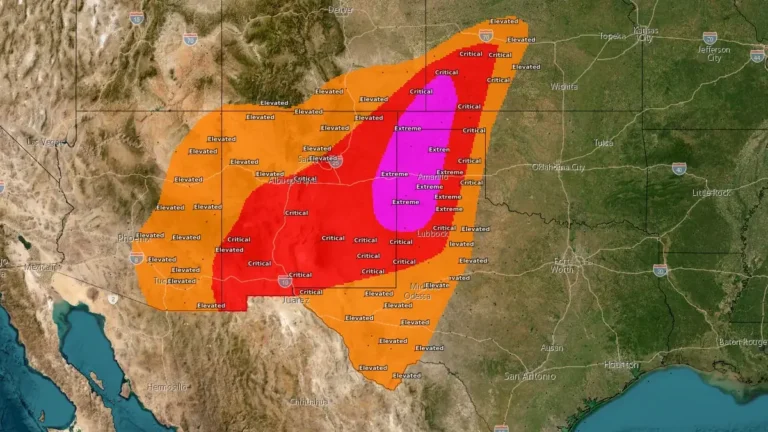
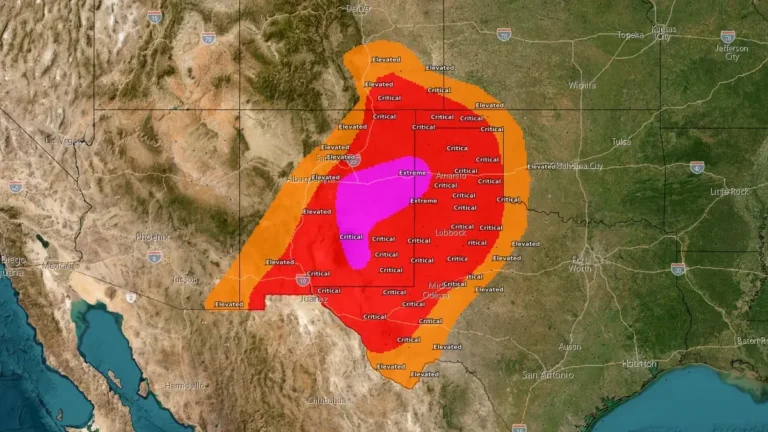
    The Storm Prediction Center (SPC) placed 80 780 km² (31 190 mi²) of the southern High Plains under an Extremely Critical fire-weather outlook for Sunday, May 17, 2026, warning that dangerous wildfire spread conditions are expected across extreme eastern New Mexico, the Texas and Oklahoma Panhandles, extreme southeastern Colorado, and far southwestern Kansas.

  • SPC warns of Critical fire weather conditions across eastern Montana and west-central North Dakota

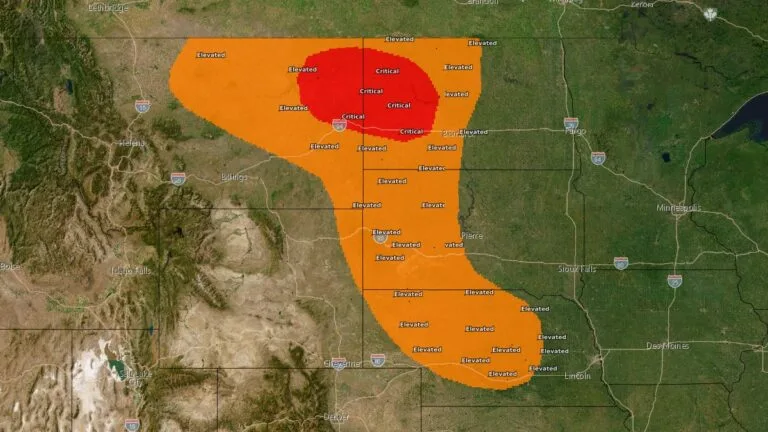
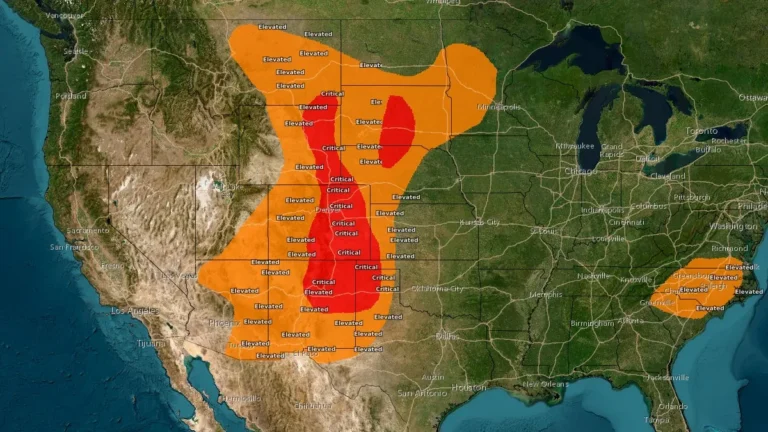
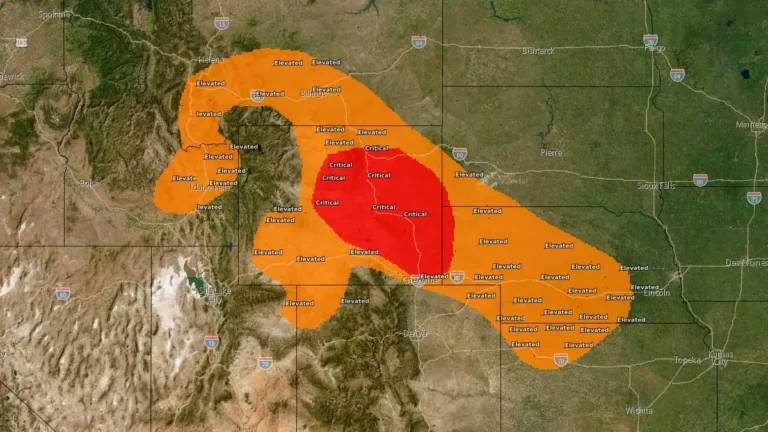
    The NWS Storm Prediction Center (SPC) issued a Critical fire weather forecast for parts of eastern Montana into west-central North Dakota valid from 12:00 UTC on May 11 through 12:00 UTC on May 12, 2026, as multiple National Weather Service offices warned that strong winds, low humidity, dry fuels, and frontal wind shifts would support rapid wildfire spread across parts of the northern and central Plains.

  • Critical fire-weather conditions forecast across eastern New Mexico and western Texas

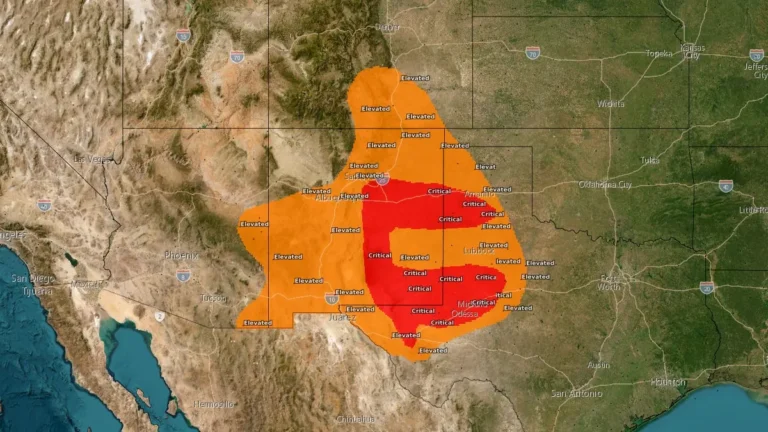
    Critical fire-weather conditions are forecast across parts of eastern New Mexico and western Texas on Tuesday, April 28, 2026, as west to southwest winds of 25–30 km/h (15–20 mph) combine with relative humidity of 10–20% over dry fuels. The Storm Prediction Center outlined a Critical Fire Weather Area covering approximately 140 380 km² (54 200 mi²) and 740 760 people, with the strongest overlap of wind and humidity reductions forecast from east-central and southeastern New Mexico into adjacent Texas.

  • SPC issues Extremely Critical fire weather outlook for eastern New Mexico and far western Texas Panhandle

    The Storm Prediction Center issued an Extremely Critical Fire Weather Area for portions of eastern New Mexico into the far western Texas Panhandle on Sunday, April 26, 2026. Red Flag Warnings cover much of the southern High Plains as southwest winds of 40-55 km/h (25-35 mph), localized gusts of 80-95 km/h (50-60 mph), and very low relative humidity create conditions where any new fire could spread rapidly.

  • Multi-state Red Flag Warnings issued as strong winds and very low humidity raise wildfire danger across the central U.S.

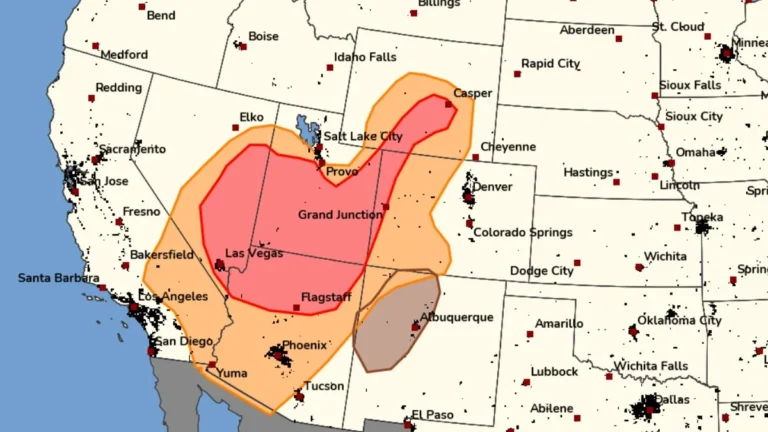
    Red Flag Warnings are in effect across a broad swath of the Plains, Rockies, and parts of the Upper Midwest on Wednesday, April 22, 2026, as strong winds, very low relative humidity, and dry fuels create critical fire weather conditions. The National Weather Service warns that any fires that start could spread quickly and be hard to control. In some areas, isolated dry thunderstorms may produce lightning with little or no rain, increasing the risk of new fires.

  • Critical fire weather conditions forecast across central New Mexico into the southern High Plains

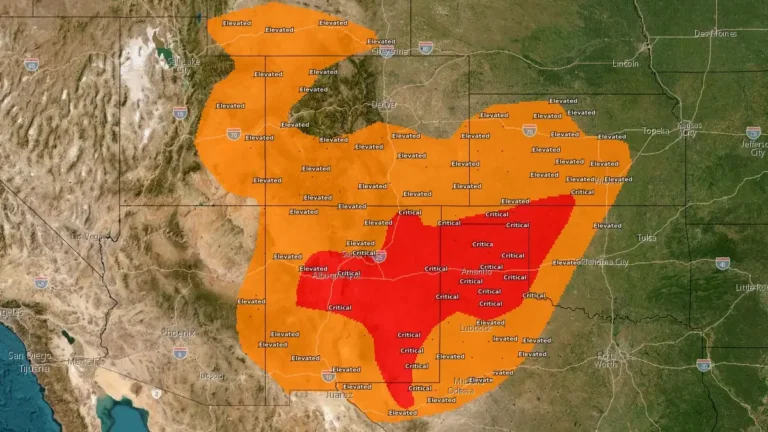
    Critical fire weather conditions are forecast across central New Mexico into the southern High Plains from Thursday morning, March 26, through early Friday, March 27, 2026, as sustained west-southwesterly winds of 30–40 km/h (20–25 mph), relative humidity as low as 5–15%, and record to near-record heat support rapid fire spread and drying of fine fuels.

  • Red Flag Warnings issued for parts of Wyoming, Nebraska, and South Dakota

    Red Flag Warnings were in effect across parts of Wyoming, Nebraska, and South Dakota on March 25, 2026, as strong winds, very low humidity, and unseasonably warm temperatures created conditions favorable for rapid wildfire spread. Additional fire weather warnings were also issued in parts of nearby states, while some warnings in Nebraska and Wyoming extended into March 26.