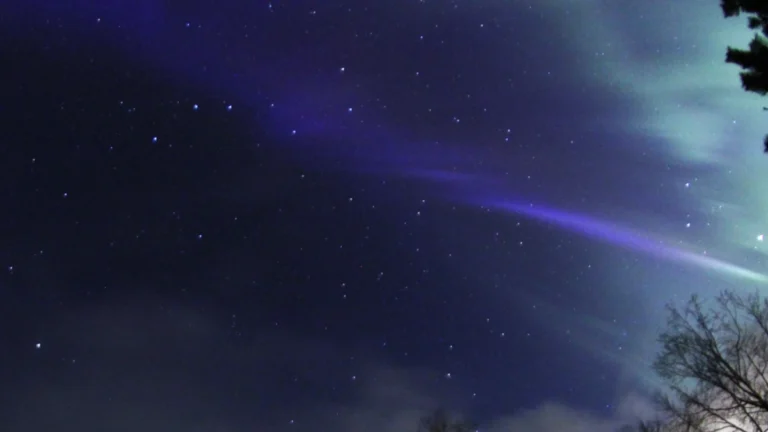
• Late April visibility window allows blue auroras over Arctic regions

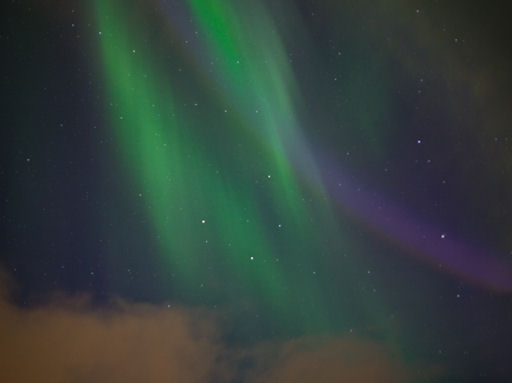
    Blue auroras could be possible over Arctic regions in late April 2026 as seasonal solar geometry allows sunlight to illuminate the upper atmosphere while ground-level skies remain sufficiently dark. The phenomenon is linked to ionized nitrogen emissions that are typically too faint to detect but can be amplified under these conditions.
  • An accelerating greening rate in the Arctic

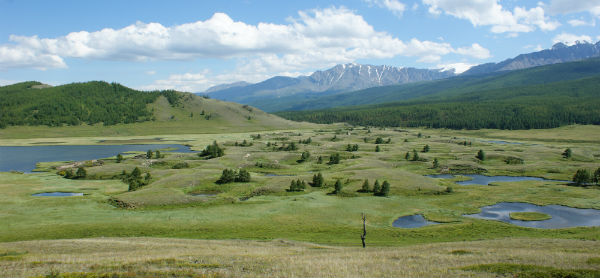
    Measurements show that temperatures have risen in the Arctic over the past three decades faster than anywhere else in the world. Plant communities in tundra and boreal ecosystems in the far north experienced major changes due the longer growing season. Satellite

  • Geomagnetic storm in progress

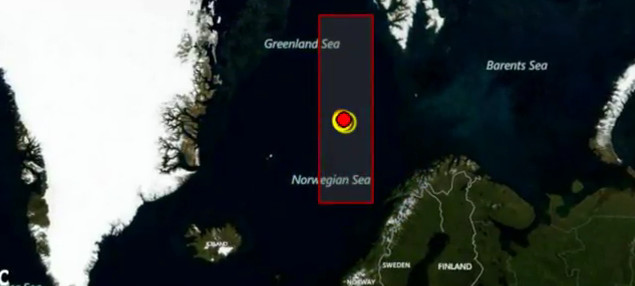
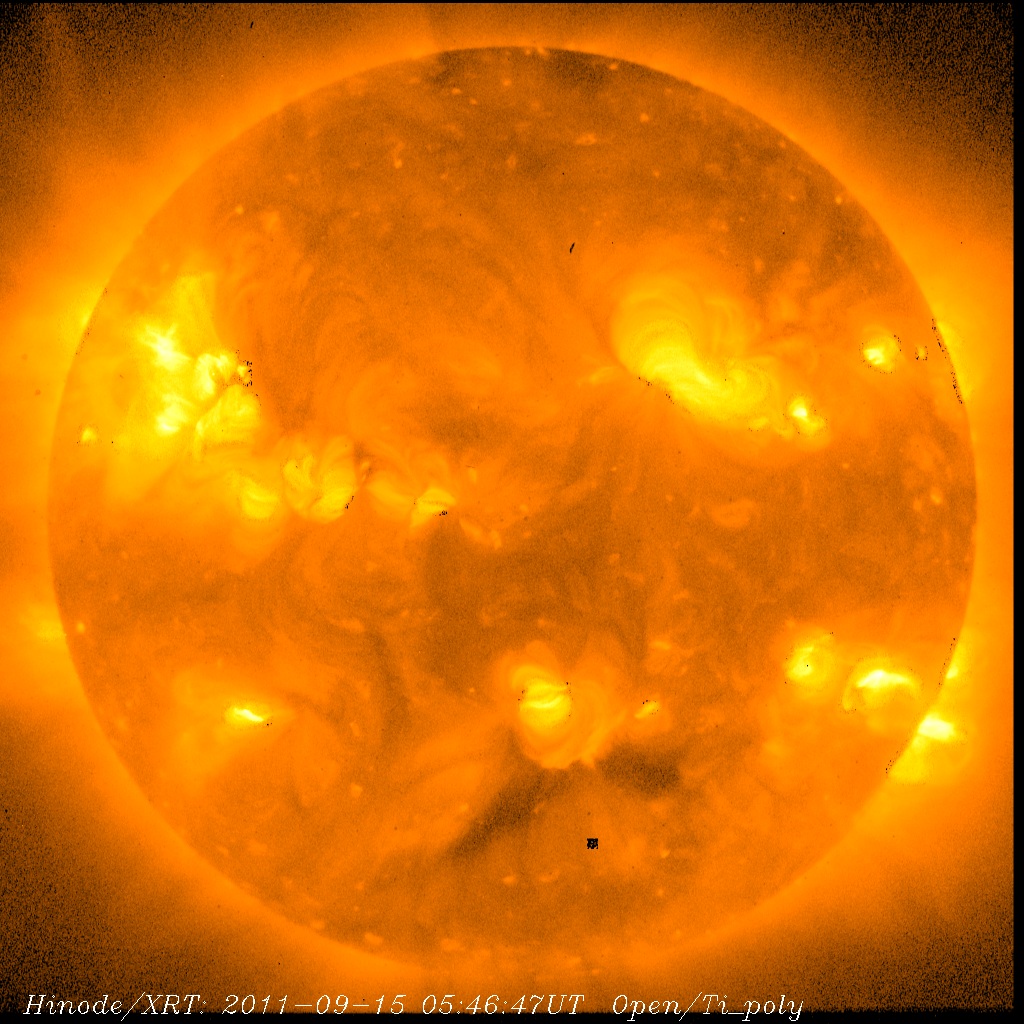
    As predicted by analysts at the Goddard Space Weather Lab, a coronal mass ejection (CME) hit Earth's magnetic field at ~03:30 UT on Sept 17th. The impact sparked a moderate geomagnetic storm (in progress) and auroras around the Arctic Circle. High-latitude sky watch

  • Incoming coronal mass ejection

    As predicted by analysts at the Goddard Space Weather Lab, a coronal mass ejection (CME) hit Earth’s magnetic field at ~03:30 UT on Sept 17th. The impact was not strong. Nevertheless, the arrival of the CME could spark geomagnetic activity around the Arctic Circle.

  • A solar wind stream hit Earth’s magnetic field

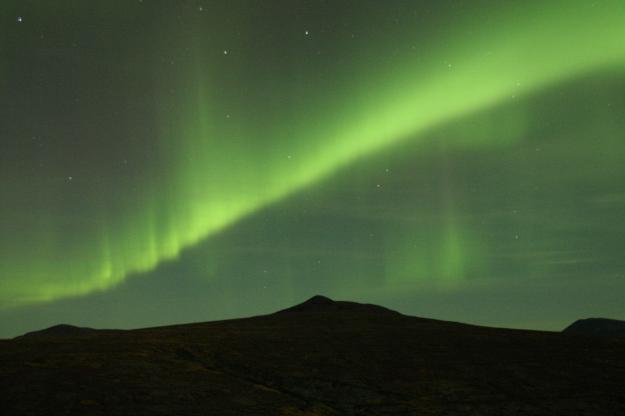
    A solar wind stream hit Earth's magnetic field during the early hours of August 24th, sparking geomagnetic activity around the Arctic Circle. "Bright, fast-moving auroras lit up the sky just after midnight," reports Sean M. Scully, who sends this picture f