• Weak La Niña supports wet north-dry south pattern across the western U.S. through March 2026

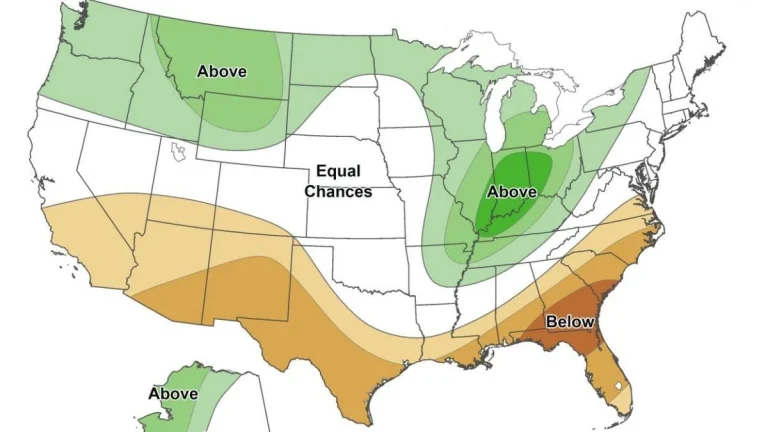
    Experimental seasonal forecasts from the Center for Western Weather and Water Extremes (CW3E) suggest that a weak La Niña is reinforcing a wet–north, dry–south precipitation pattern across the western United States during January–March 2026. The outlook shows high-confidence signals for below-normal precipitation in Southern California, while model uncertainty remains higher across central and northern California.

  • Strong and shallow M6.0 earthquake hits off the coast of Oregon

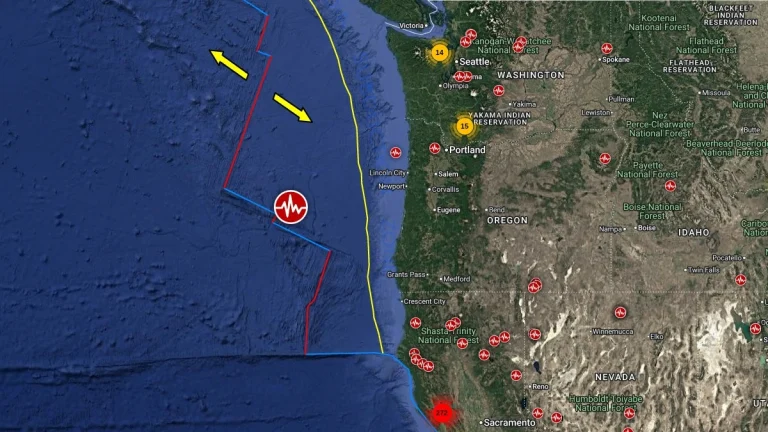
    A strong and shallow earthquake registered by the USGS as M6.0 struck off the coast of Oregon, United States, at 03:25 UTC on January 16, 2026 (19:25 LT, January 15). The agency is reporting a depth of 10 km (6.2 miles). EMSC is reporting the same magnitude and depth.

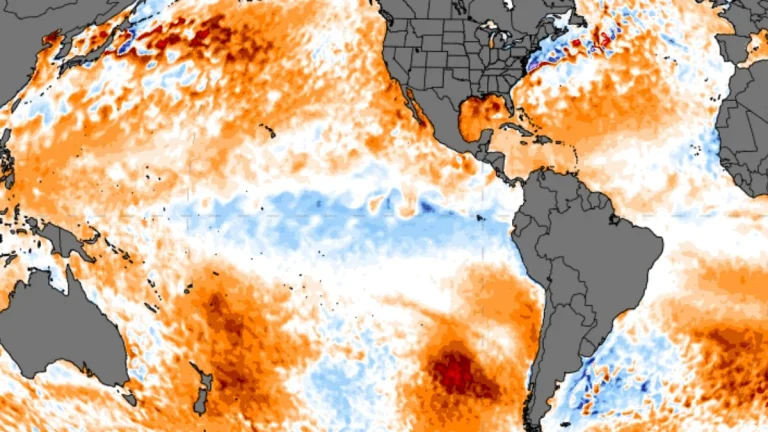
  • La Niña breakdown underway as models point to ENSO-neutral conditions in early 2026

    La Niña conditions in the equatorial Pacific show signs of a transition toward ENSO-neutral conditions, with potential for El Niño development later in 2026. Observations from the National Oceanic and Atmospheric Administration (NOAA) and the European Centre for Medium-Range Weather Forecasts (ECMWF) show subsurface ocean warming and westerly wind anomalies across the central Pacific, indicating the breakdown of the three-year La Niña phase.

  • State of Disaster declared for the first time since 2020 as bushfires destroy over 130 structures in Victoria, Australia

    A fast-moving bushfire crisis has prompted the Victorian Government to declare a State of Disaster for the first time since 2020, on January 10, 2026, with over 300 000 ha (741 000 acres) being scorched across the state under extreme heat and high winds. At least 130 structures have been destroyed, and thousands remain under evacuation orders, with conditions forecast to remain dangerous in the coming days.

  • Tornadoes touch down in Mississippi as severe storms sweep across the state

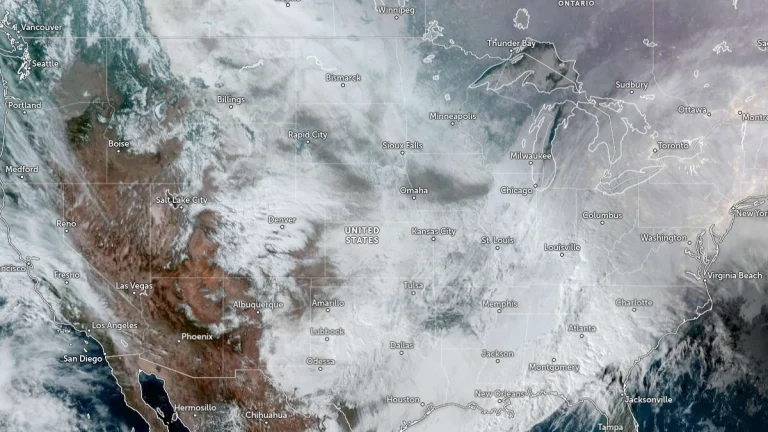
    Multiple tornadoes touched down in Mississippi on January 9, 2026, as a powerful storm system moved through the Deep South, producing damaging winds and heavy rainfall. The U.S. National Weather Service issued Tornado and Flash Flood Watches for large portions of the state, warning of further severe storms through January 10 as the system continues eastward.

  • Mount Etna’s Northeast Crater erupts for the first time in 28 years, Italy

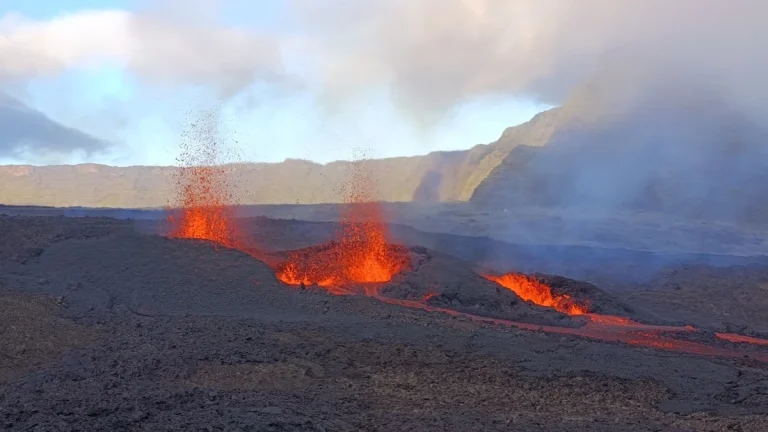
    Two paroxysmal eruptions occurred at Mount Etna’s Northeast Crater on December 27, 2025, marking the first major eruptive episode from this crater in almost 28 years. The events produced lava fountains up to 500 m (1 640 feet), eruptive columns rising over 10 km (6 miles) above sea level, and a short lava flow from the nearby Voragine Crater. Activity gradually declined by December 28, with continued strombolian explosions and weak effusion.

  • Eruption at Piparo Mud Volcano damages roads and homes, Trinidad and Tobago

    Activity at the Piparo Mud Volcano in Trinidad and Tobago began increasing early on December 24, 2025, and continued through Christmas, ejecting mud up to 4.6 m (15 feet) into the air and damaging roads, homes, and nearby infrastructure. Officials confirmed visible cracks, ground uplift, and frequent eruptions occurring every 10–20 seconds as assessments and safety operations remained underway.

  • Snow blankets Saudi Arabia’s deserts for first time in 30 years

    A rare widespread snowfall event affected northern Saudi Arabia in December 2025, transforming desert landscapes and mountain ranges across Tabuk and Hail into snow-covered terrain. The snowfall occurred as a sharp cold air intrusion lowered temperatures below freezing at higher elevations, with snow settling near 2 600 m (8 530 feet) and surface temperatures reported near −4°C (25°F), according to regional media reports. Such widespread snowfall over desert areas is considered exceptionally uncommon for the region.