• 3I/ATLAS completes inbound leg of its Solar System passage on October 29

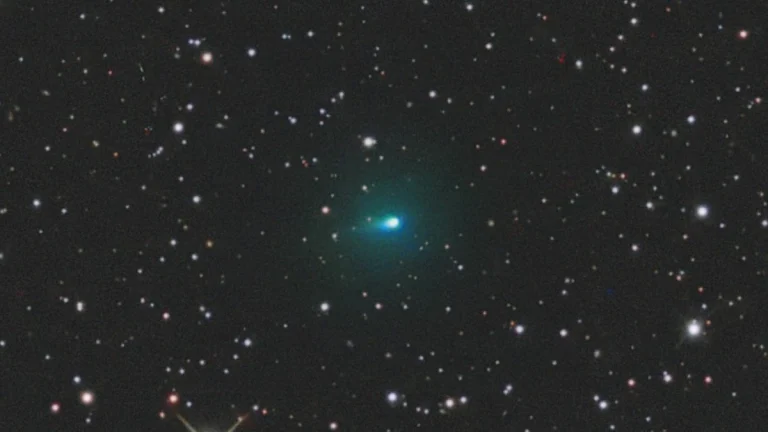
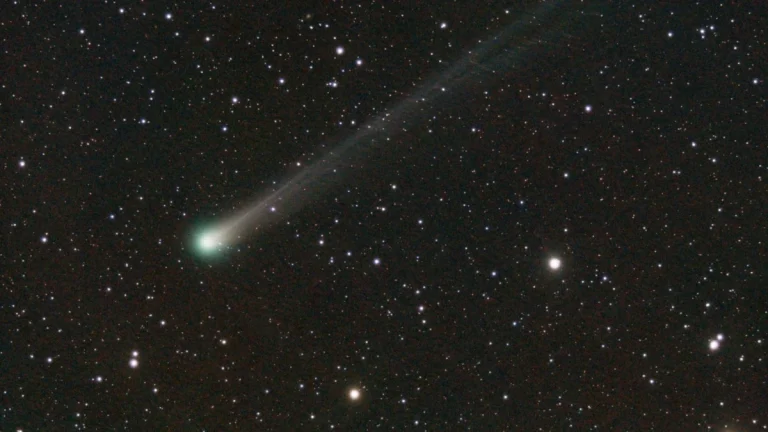
    Interstellar object 3I/ATLAS (C/2025 N1 ATLAS) will reach its perihelion distance of about 1.36 AU from the Sun on October 29, 2025, marking the midpoint of its one-time passage through the Solar System. The hyperbolic object will be unobservable from Earth during the event but will later pass within 97 million km (60 million miles) of Venus and 54 million km (34 million miles) of Jupiter on its way out of the system.

  • Very bright, slow-moving bolide illuminates night sky over Moscow, Russia

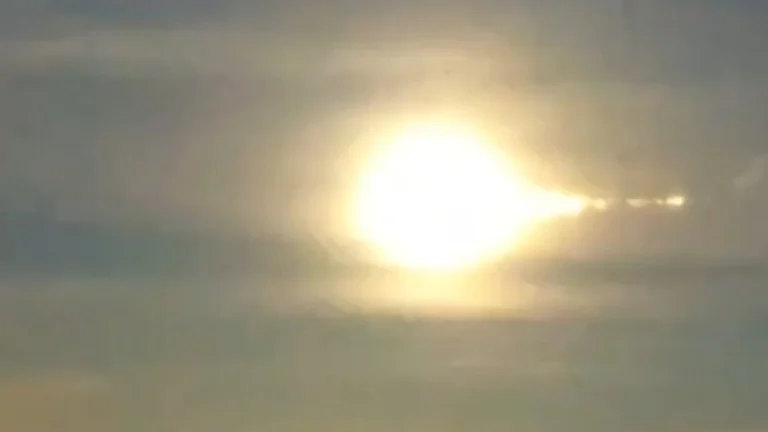
    A bright green bolide, a natural meteoroid entering Earth’s atmosphere, illuminated the skies over Moscow, Russia, at around 00:30 UTC on October 27, 2025. The object produced several bright flashes and visible fragmentation as it moved across the sky, leaving a persistent trail. Analysis of multiple videos confirms its natural origin, distinguishing it from any satellite or rocket re-entry.

  • Earth’s electrical rings released rare energy leak during recent G2 geomagnetic storm

    A G2 – Moderate geomagnetic storm on October 18, 2025, produced an extremely bright red SAR arc visible from the United States to northern Europe. The event showed an unusually efficient release of energy from Earth’s ring current system, challenging current understanding of how the planet’s magnetic field interacts with the atmosphere.

  • Arctic polar vortex shows rare early signs of weakening and displacement

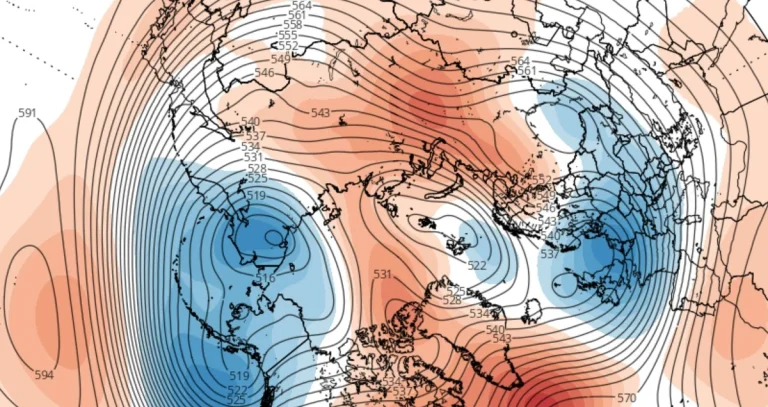
    Forecast data indicate an early weakening and displacement of the stratospheric polar vortex over the Arctic in October 2025, as a developing high-pressure anomaly over Greenland interacts with the circulation earlier than usual, increasing the chances of colder air movement toward the mid-latitudes of North America and Europe.

  • Kronotsky volcano awakens after a century, sending ash up to 9 km (30 000 feet) a.s.l., Russia

    Kronotsky volcano in Kamchatka, Russia, erupted at 03:50 UTC (15:50 LT) on October 4, 2025, ending a century of dormancy. The Kamchatka Volcanic Eruption Response Team (KVERT) reported an explosive eruption with an ash column reaching 9.2 km (30 180 feet) above sea level. Aviation Color Code was raised to Red. KVERT warns that additional ash emissions rising up to 15 km (49 200 feet) remain possible.

  • Asteroid 2025 TF flew just 420 km (260 miles) above Antarctica, second-closest flyby on record

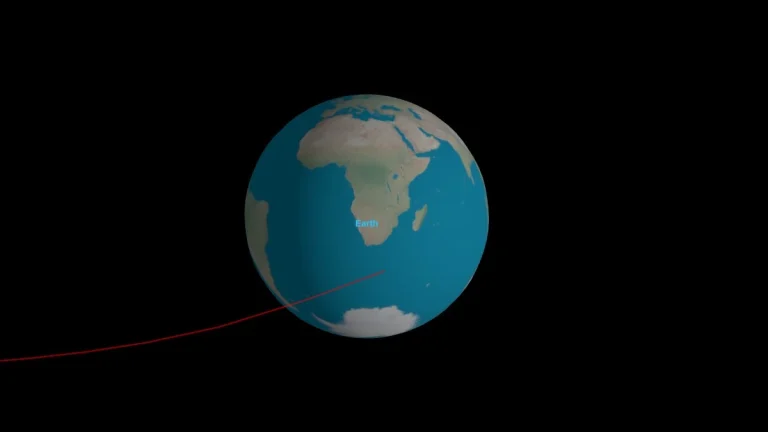
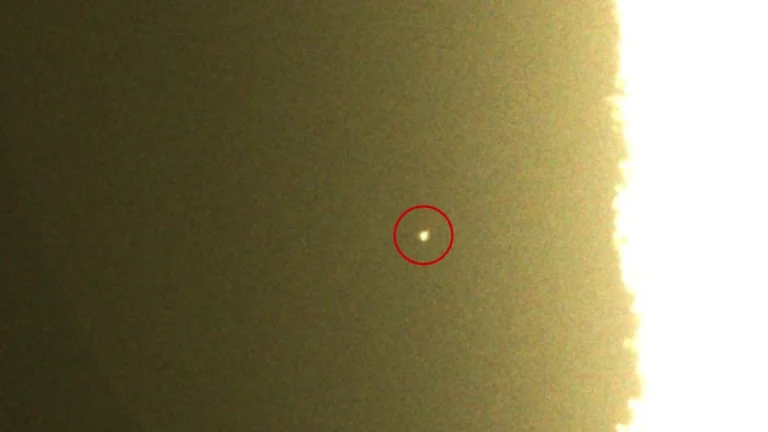
    A newly-discovered asteroid designated 2025 TF made an extremely close approach to Earth at 00:49 UTC on October 1, 2025, reaching a nominal distance of 0.02 LD (0.00005 AU / 6 790 km / 4 220 miles) from Earth’s center — equivalent to about 419 km (260 miles) above the surface over Antarctica. At this distance, it is now classified as the second-closest asteroid flyby ever recorded.