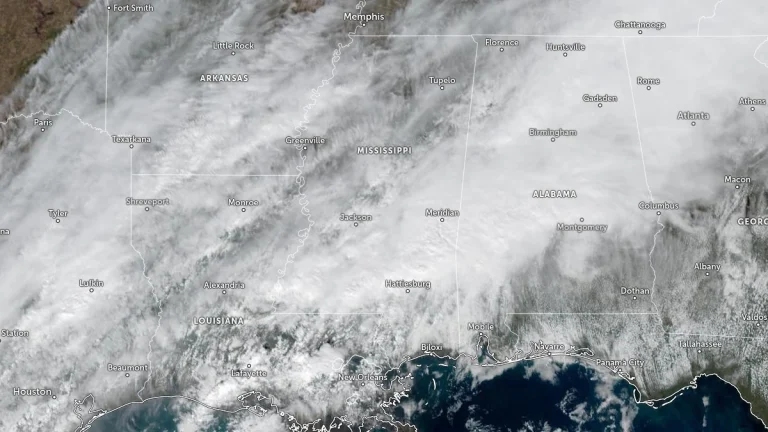
• Multi-model forecasts indicate increased atmospheric river activity and transition from West Coast Ridge to Pacific Ridge in late December

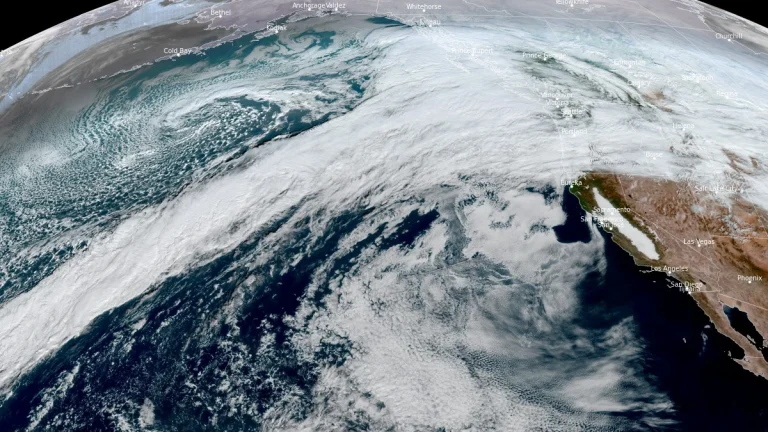
    Subseasonal forecasts by CW3E show strong multi-model agreement on above-normal atmospheric river activity across the U.S. West Coast during mid- to late December, with the strongest signals over Northern California. Forecast regime tools indicate a transition from a West Coast Ridge to a Pacific Ridge during this period, altering temperature and precipitation patterns across the region.

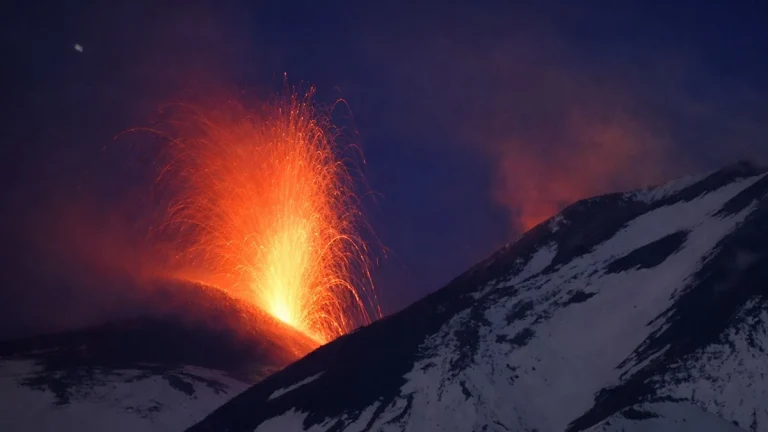
  • Episode 38 at Kīlauea produces extremely rare triple-fountain event and destroys USGS camera, Hawaiʻi

    Kīlauea’s Halemaʻumaʻu crater, Hawaiʻi, began erupting at 08:45 HST (18:45 UTC) on December 6, 2025, when fountains emerged from the north vent, marking the start of Episode 38 of the ongoing summit eruption. Within minutes, a south vent opened, and by 09:15 HST a rare triple-vent lava fountain was active, producing jets up to 370 m (1 200 ft) high and a 6 km (20 000 feet) plume above the summit. The eruption lasted 12.1 hours, covered more than half of Halemaʻumaʻu crater with new lava, destroyed the USGS V3 streaming camera, and ended abruptly at 20:52 HST on the same day (06:52 UTC on December 7).

  • 3I/ATLAS displays complex jet morphology, live stream scheduled for November 19

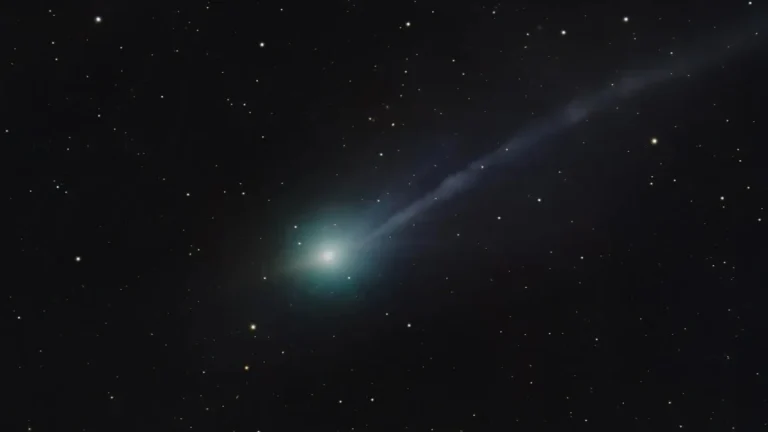
    Ground-based observations on November 16 and 17, 2025 captured multiple jets on the interstellar object 3I/ATLAS, including sunward jets and an extended anti-tail. The images were obtained from telescopes in New Mexico, USA and France. A public online observation by the Virtual Telescope Project is scheduled at 04:15 UTC on November 19, 2025.

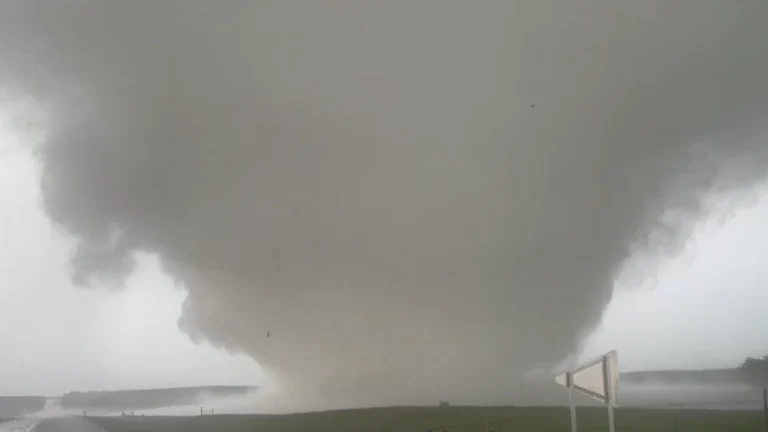
  • Rio Bonito do Iguaçu tornado upgraded to EF-4, placing Brazil among sites of 2025’s most violent tornadoes worldwide

    A new assessment by MetSul Meteorologia confirms that the deadly tornado that struck Rio Bonito do Iguaçu, Paraná, Brazil, on November 7, 2025, reached EF-4 intensity on the Enhanced Fujita Scale, with estimated wind speeds between 250 km/h and 300 km/h (155 mph to 186 mph). The event killed six people, injured more than 400, and destroyed much of the city’s urban area, making it one of the most intense tornadoes recorded globally in 2025.

  • Asteroid 2025 UC11 flew past Earth at 0.01 LD

    A newly discovered asteroid designated 2025 UC11 flew past Earth at a distance of 0.017 lunar distances (0.00004 AU / 6 599 km / 4 101 miles) at 12:11 UTC on October 30, 2025. The object was first detected seven hours earlier by the JPL SynTrack Robotic Telescope in Auberry, California.