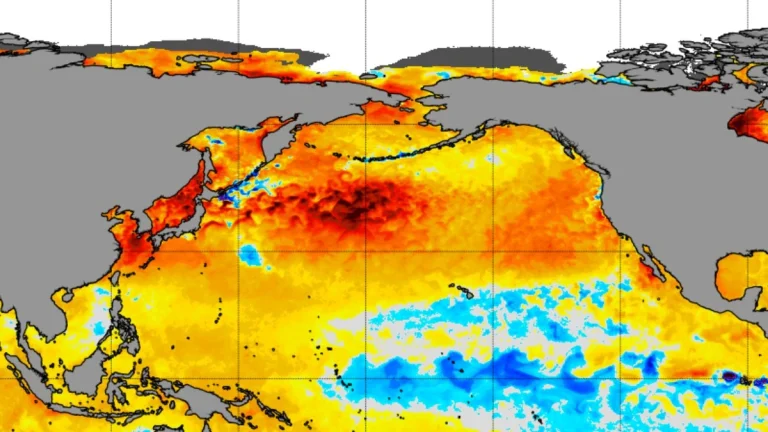
• Strong North Pacific SST anomaly raises probability of colder winter 2025/26 in U.S. and Canada

    A large sea surface temperature anomaly has developed in the North Pacific Ocean, extending toward the U.S. West Coast. Forecasts suggest the anomaly could help trigger colder-than-average conditions across central and eastern United States and Canada during the upcoming 2025/26 winter season, with a weak La Niña further reinforcing the setup.

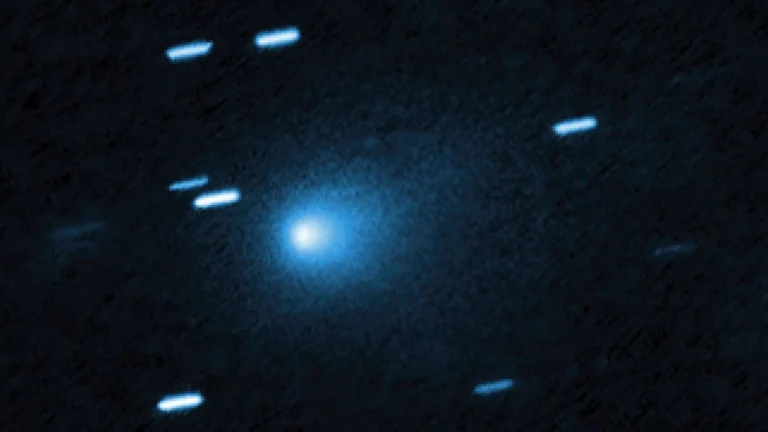
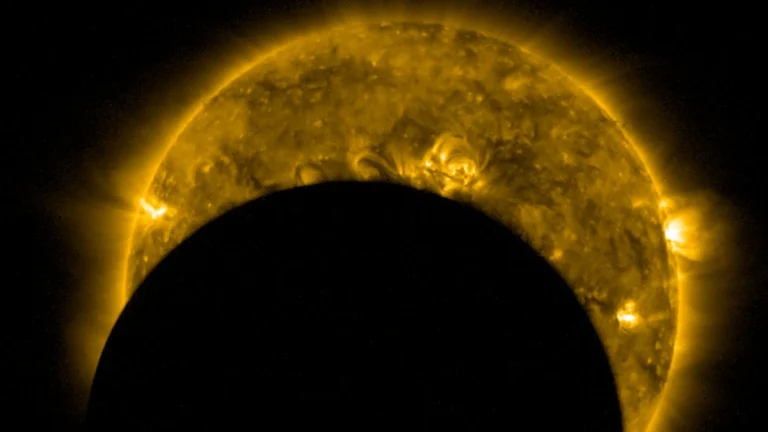
  • CME forecast to strike interstellar Comet 3I/ATLAS on September 24-25

    A coronal mass ejection (CME) launched from the Sun on September 19 is forecast by NASA’s ENLIL model to strike interstellar Comet 3I/ATLAS on September 24 or 25, an extremely rare event that comes as the comet brightens 40-fold and prepares to disappear into the Sun’s glare.

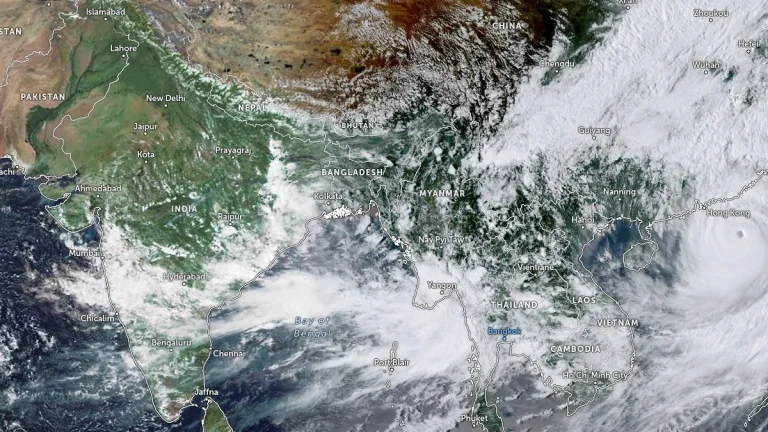
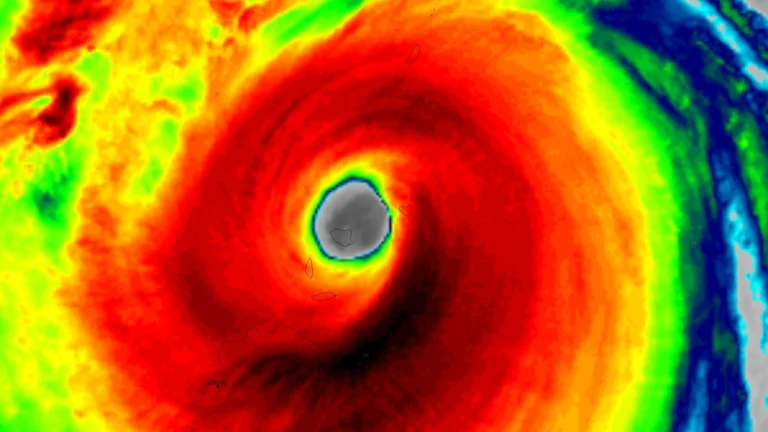
  • Eye of Super Typhoon Ragasa moves over Calayan Island, Cagayan, Philippines

    Super Typhoon Ragasa, locally named Nando, began crossing Calayan Island in Cagayan province, northern Philippines, at around 03:00 UTC (11:00 LT) on September 22, 2025, bringing destructive winds, extreme seas, and life-threatening storm surge. The Philippine weather bureau reported maximum 10-minute sustained winds of 215 km/h (134 mph) and gusts up to 295 km/h (183 mph).

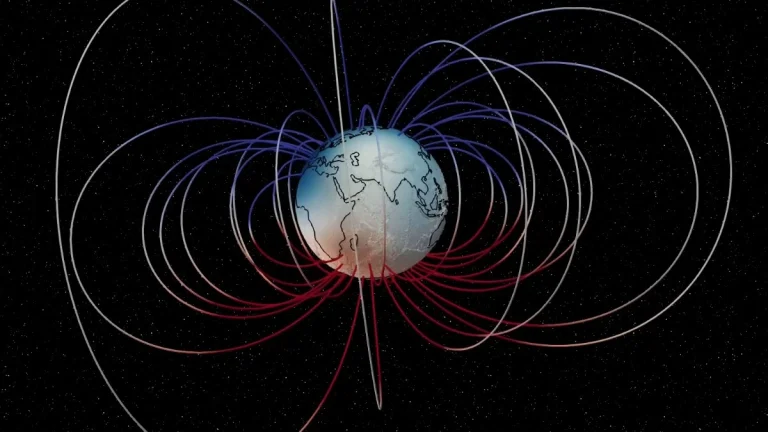
  • Gravitational anomaly in 2007 hints at rapid changes near Earth’s core

    A gravity anomaly recorded by NASA–German GRACE satellites in early 2007 over the Atlantic Ocean points to mass redistribution near Earth’s core–mantle boundary, around 2 700–2 900 km (1 700–1 800 miles) deep. Researchers suggest a perovskite-to-post-perovskite mineral phase change produced decimetric boundary shifts, offering the first evidence that deep mantle processes can unfold within just a few years and potentially affect Earth’s magnetic field.

  • New bee parasite “Tropilaelaps mercedesae” spreading across Europe could soon be deadlier than Varroa destructor

    A new threat to bees is on the move in Europe. Tropilaelaps mercedesae, a parasitic mite, is emerging as potentially even more devastating than the “worst bee killer,” the Varroa destructor. Parasitic mite infestations are now threatening economies worldwide as they wipe out massive bee populations, sending ripples of losses across multiple sectors.

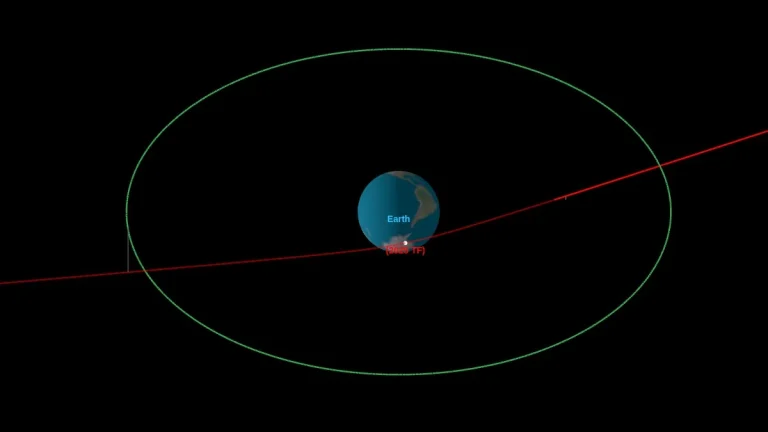
  • Bright daylight fireball over northeastern Brazil registered as 0.44-kiloton airburst

    A bright daylight fireball was recorded at 17:49 UTC (14:49 LT) on September 9, 2025, over the Atlantic Ocean, off the northeastern coast of Brazil. NASA’s CNEOS data show the object released 0.44 kilotons of impact energy at an altitude of 24 km (15 miles). IMO and AMS received 10 reports from Ceará, with witnesses describing orange to blue colors, persistent trails, fragmentation, and sounds ranging from faint hissing to thunder-like booms.

  • Garnet Fire spreads into McKinley Grove of ancient sequoias, Sierra National Forest, California

    A lightning-sparked wildfire known as Garnet Fire entered the McKinley Grove of giant ancient sequoias in California’s Sierra National Forest on September 8, 2025. Firefighters reported ember ignition in upper branches but no complete canopy burn. Containment stands at about 15% after burning 22 000 ha (55 000 acres) since igniting on August 24.