• New bee parasite “Tropilaelaps mercedesae” spreading across Europe could soon be deadlier than Varroa destructor

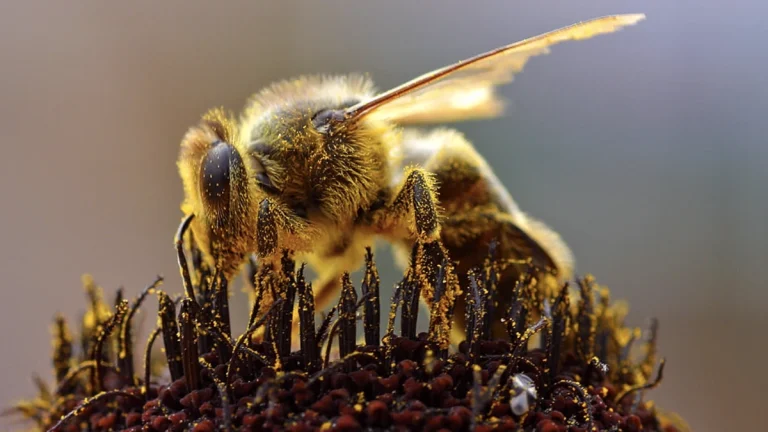
    A new threat to bees is on the move in Europe. Tropilaelaps mercedesae, a parasitic mite, is emerging as potentially even more devastating than the “worst bee killer,” the Varroa destructor. Parasitic mite infestations are now threatening economies worldwide as they wipe out massive bee populations, sending ripples of losses across multiple sectors.
  • Bright daylight fireball over northeastern Brazil registered as 0.44-kiloton airburst

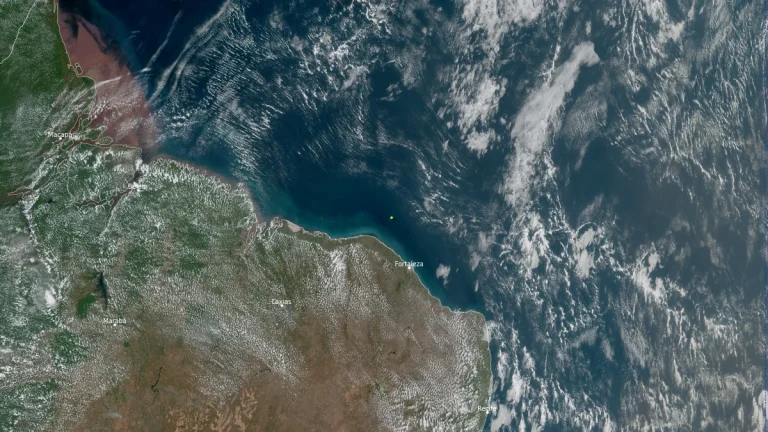
    A bright daylight fireball was recorded at 17:49 UTC (14:49 LT) on September 9, 2025, over the Atlantic Ocean, off the northeastern coast of Brazil. NASA’s CNEOS data show the object released 0.44 kilotons of impact energy at an altitude of 24 km (15 miles). IMO and AMS received 10 reports from Ceará, with witnesses describing orange to blue colors, persistent trails, fragmentation, and sounds ranging from faint hissing to thunder-like booms.

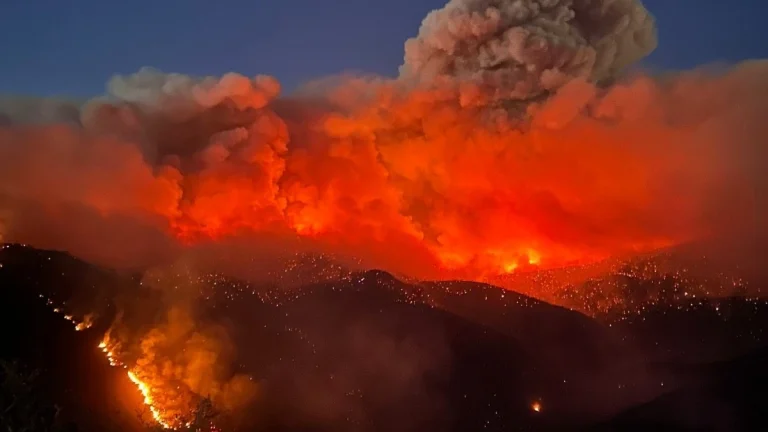
  • Garnet Fire spreads into McKinley Grove of ancient sequoias, Sierra National Forest, California

    A lightning-sparked wildfire known as Garnet Fire entered the McKinley Grove of giant ancient sequoias in California’s Sierra National Forest on September 8, 2025. Firefighters reported ember ignition in upper branches but no complete canopy burn. Containment stands at about 15% after burning 22 000 ha (55 000 acres) since igniting on August 24.

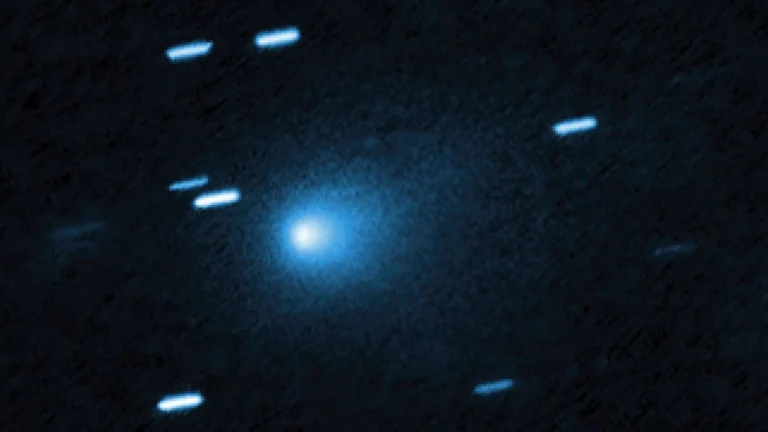
  • NASA telescopes detect unusual chemistry in interstellar comet 3I/ATLAS

    NASA released the first results of James Webb Space Telescope (JWST) observations of interstellar comet 3I/ATLAS on August 25, 2025, showing a coma dominated by carbon dioxide. The comet was observed on August 6, and complementary data from Hubble and SPHEREx confirm unusual volatile ratios.