I am an Assistant Editor and Severe Weather & Science Journalist at The Watchers, specializing in real-time severe weather coverage, geophysical event reporting, and research-driven scientific analysis. You can reach me at rishav(at)watchers(.)news.

  • Dust storm reduces visibility to near zero across Phoenix and central Arizona

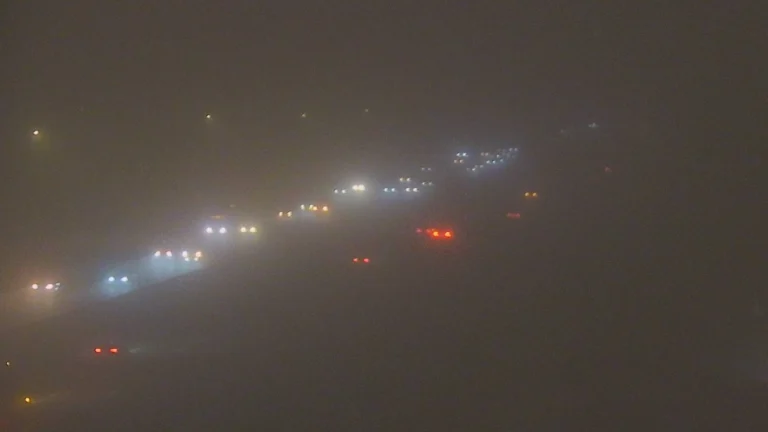
    A massive dust storm swept across Phoenix and parts of Arizona through Saturday and Sunday, July 11 and 12, 2026. Near zero visibility conditions were reported along the I-10, I-70, and the U.S. 60, creating life threatening travel conditions. The National Weather Service (NWS) issued multiple Dust Storm Warnings and severe weather alerts as winds of up to 64 km/h (40 mph) drove the wall of dust across central Arizona.
  • Record-breaking heat to peak through July 14 from the Great Basin to the Northern Plains, U.S.

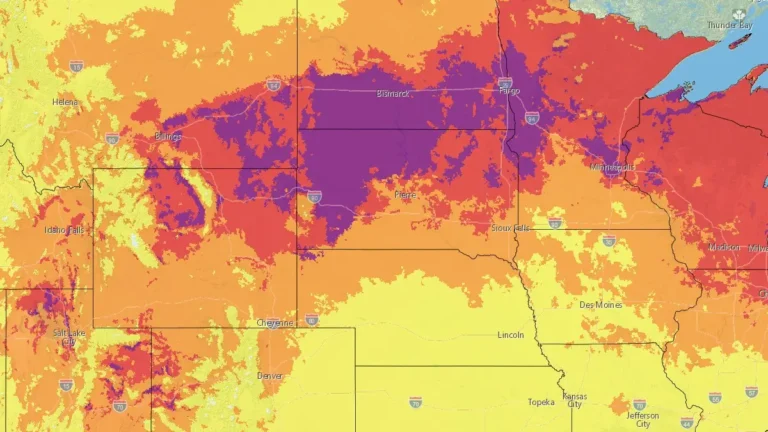
    Dangerous and potentially record-breaking heat is forecast to peak through July 14, 2026, across the western and north-central United States. Billings, Montana, already shattered its all-time temperature record on July 12, while Salt Lake City, Utah, tied for its second-highest reading ever, just short of its own all-time mark. More locations could still challenge records as the heat continues into Tuesday. Very warm nights are adding to the danger by increasing heat stress over several consecutive days.

  • Severe floods hit eastern and northern China after Typhoon Bavi’s double landfall

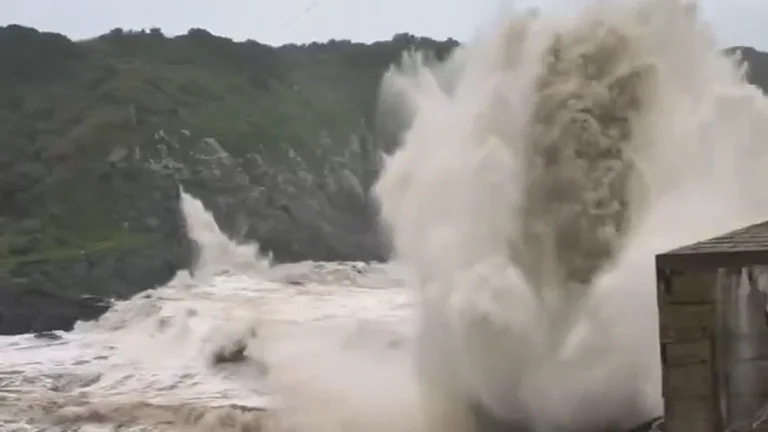
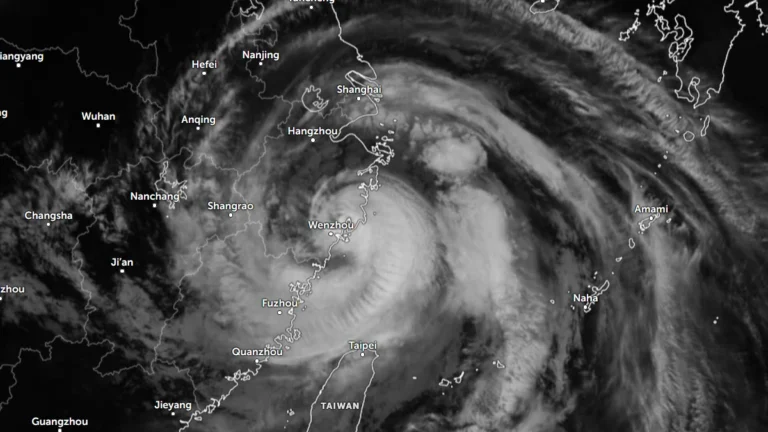
    Typhoon Bavi battered eastern China after making two landfalls in Zhejiang Province late Saturday, July 11, 2026. More than 2.68 million people were relocated in Zhejiang alone ahead of landfall, while rainfall exceeded 300 mm (12 inches) in some areas. As the system moved northward, severe flooding submerged roads under more than 2 m (6.6 feet) of water in parts of Hebei, stranded approximately 1 800 people and disrupted railway services in Liaoning, while 46 rivers nationwide exceeded warning levels.

  • Woman found dead, hundreds rescued as historic floods hit Missouri

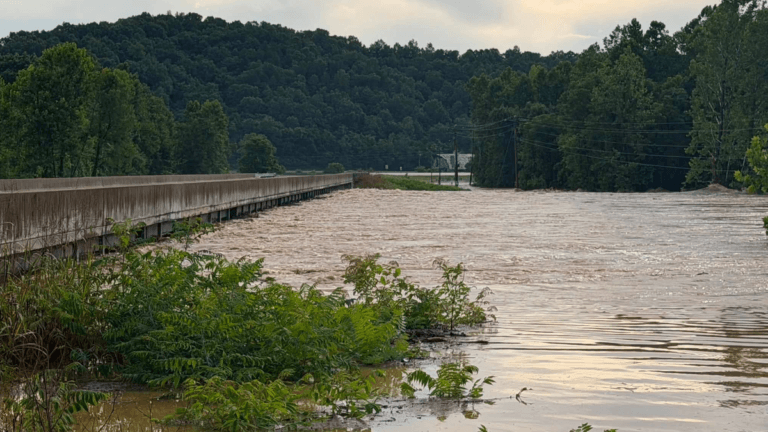
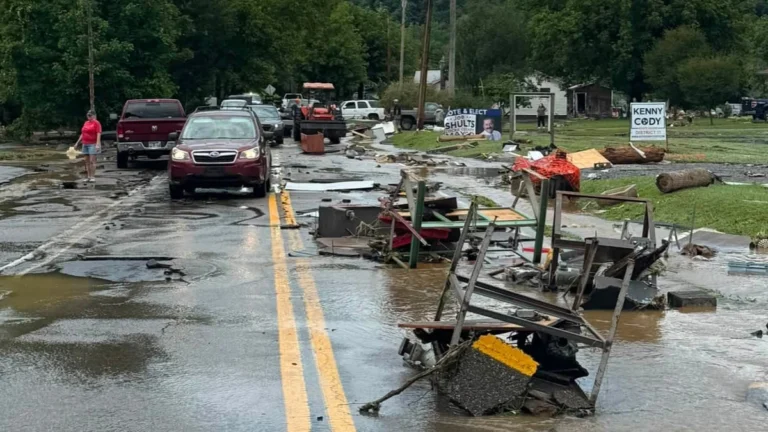
    Authorities in Missouri recovered the body of a woman on July 11, 2026. The victim was reportedly swept away by floodwaters on July 10 as catastrophic flooding struck much of southeastern Missouri. Over 30 cm (12 inches) of rainfall was recorded in parts of the region in 24 hours, while the Black River rose to record heights. Hundreds of rescues were conducted across the state, with the relief operation still ongoing.

  • Typhoon Bavi makes landfall in Zhejiang, China, after triggering mass evacuations

    Typhoon Bavi made landfall in Zhejiang Province, eastern China, at 23:20 local time (LT) on July 11, 2026, with 10-minute maximum sustained winds of 144 km/h (90 mph). The storm prompted the evacuation of more than 1.7 million people across eastern China. Bavi passed north of Taiwan before reaching the mainland and enhanced the southwest monsoon over the Philippines, where flooding and landslides caused fatalities.

  • Missouri declares State of Emergency, historic flash floods prompt hundreds of rescues

    Missouri Governor Mike Kehoe declared a State of Emergency on July 10, 2026 after historic flash floods struck parts of central, south-central, and southeastern Missouri, prompting hundreds of water rescues. Torrential rainfall of 150–300 mm (6–12 inches) in less than 24 hours overwhelmed rivers, roads, and communities, while additional flooding remains possible through the weekend.

  • Dangerous heat wave to spread across the Western and Central US, maximum temperatures up to 43°C (110°F)

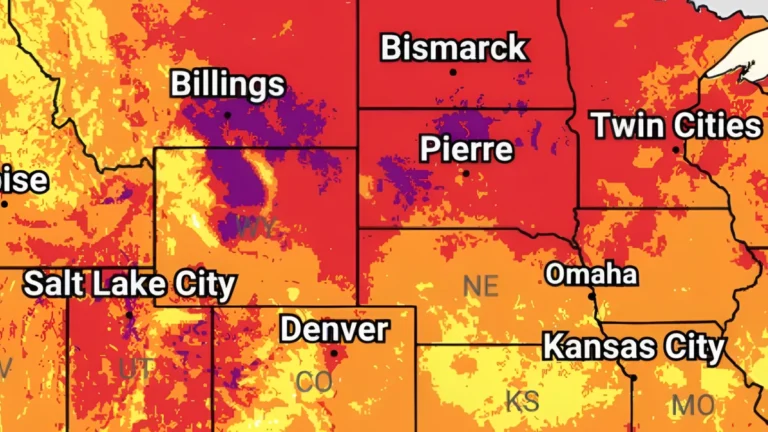
    The first widespread and significant heat wave of the summer is forecast to develop across the Intermountain West and Plains beginning Friday, July 10, 2026. Widespread temperatures above 38°C (100°F) are forecast, with isolated highs of up to 43°C (110°F). The Weather Prediction Center (WPC) forecasts widespread Major (Level 3) to locally Extreme (Level 4) HeatRisk between Friday and Wednesday, July 10 and 15.

  • Record-high temperatures at the Potomac River linked to localized fish kill in Maryland

    Record-breaking water temperatures at the Potomac River on July 4, 2026, are being linked to a localized fish kill in Maryland. The water temperatures reached a record high of 34.7°C (94.4°F) near Little Falls amid a record-breaking heatwave. Significant fish mortality was reported along a stretch of the river between White’s Ferry and Violette’s Lock soon after.