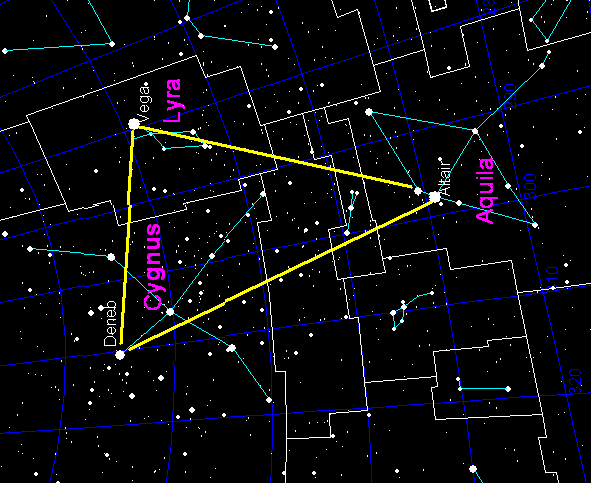
• Summer Triangle dominates the night sky in Northern Hemisphere

    During the summer sky watchers in the Northern Hemisphere can observe the famous "Summer Triangle" which form stars Vega, Altair an Deneb. Actually, the triangle can be seen from the mid-northern latitudes throughout the year, but it is especially
  • Where is the true North Pole?

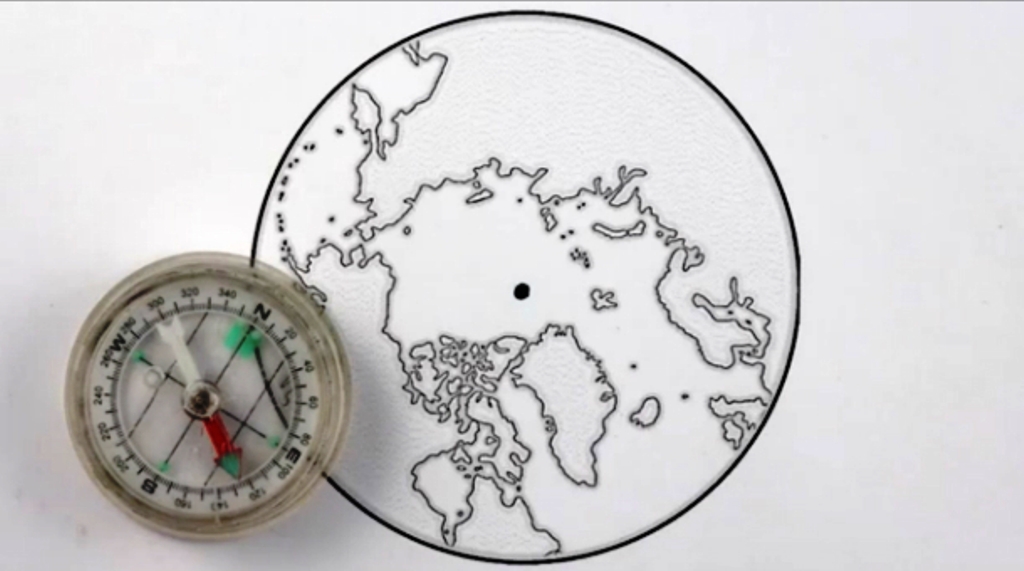
    The North Pole is at the top of the Earth and the South Pole is at the bottom, right?

    Except that the Earth is kind of a ball, and they don't really have tops and bottoms. Of course Earth isn`t exactly spherical and isn`t spinning through space – spinning about

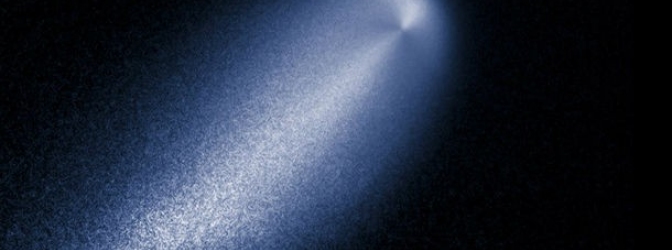
  • How will Comet ISON perform?

    Experts all over the planet are eagerly tracking Comet ISON (C/2012 S1), the so called "Comet of the century". However since June 22, 2013 the comet is so near to the Sun, less than 18 degrees, making it not visible against the dark sky. The comet will

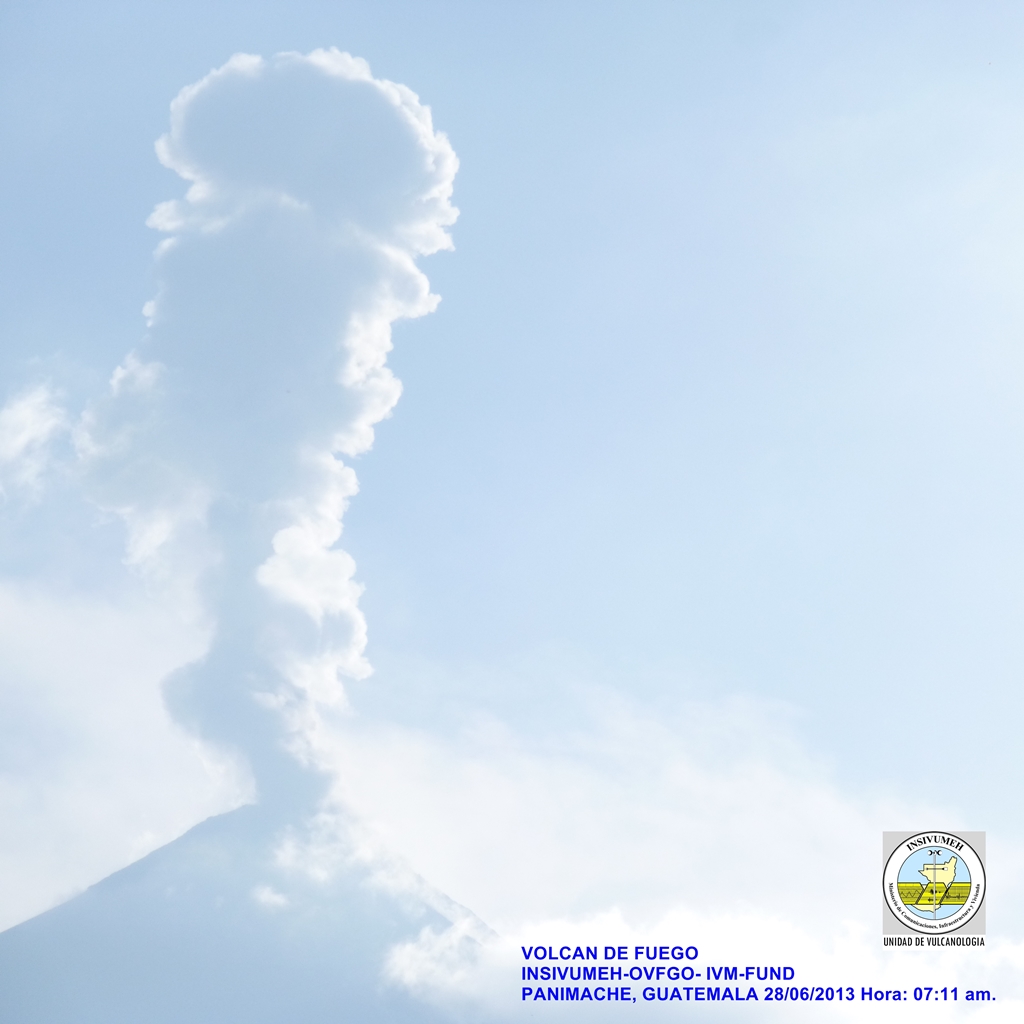
  • Strong explosions and ash emissions at Fuego volcano, Guatemala

    According to the latest INSIVUMEH special volcanic bulletin on June 28, 2013 the eruptive pattern changes at Fuego volcano, Guatemala are generating vulcanian explosions, with higher concentrations of grey ash, producing a plume reaching 800 meters in height and moving

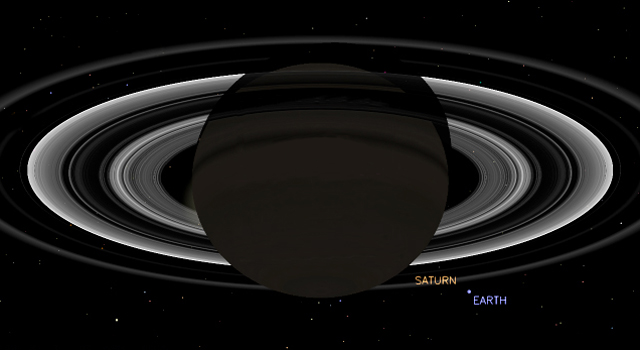
  • Cassini spacecraft to take a unique picture of Earth from Saturn

    NASA`s Cassini probe will take a photo of our planet on July 19, 2013, where Earth will appear as a tiny blue dot between Saturn`s rings. Earth will be only about a pixel in size from Cassini's vantage point 1.44 billion kilometers (898 million miles)

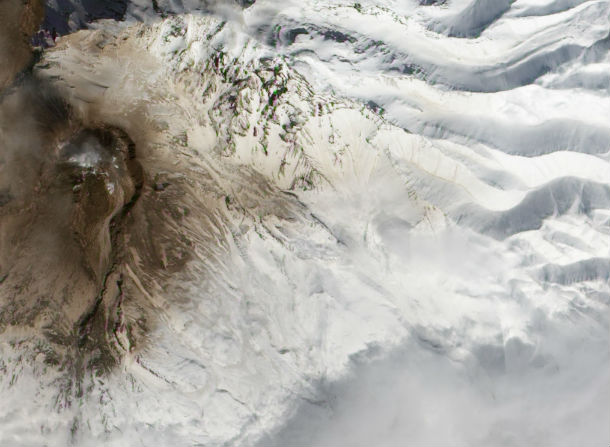
  • Active volcanoes in the world: June 12 – June 18, 2013

    This week, 4 volcanoes had new activity, whereas ongoing activity was reported for 12 volcanoes. This report covers active volcanoes in the world recorded from June 12 – June 18, 2013 based on Smithsonian/USGS criteria.

    New Activity/Unrest: |

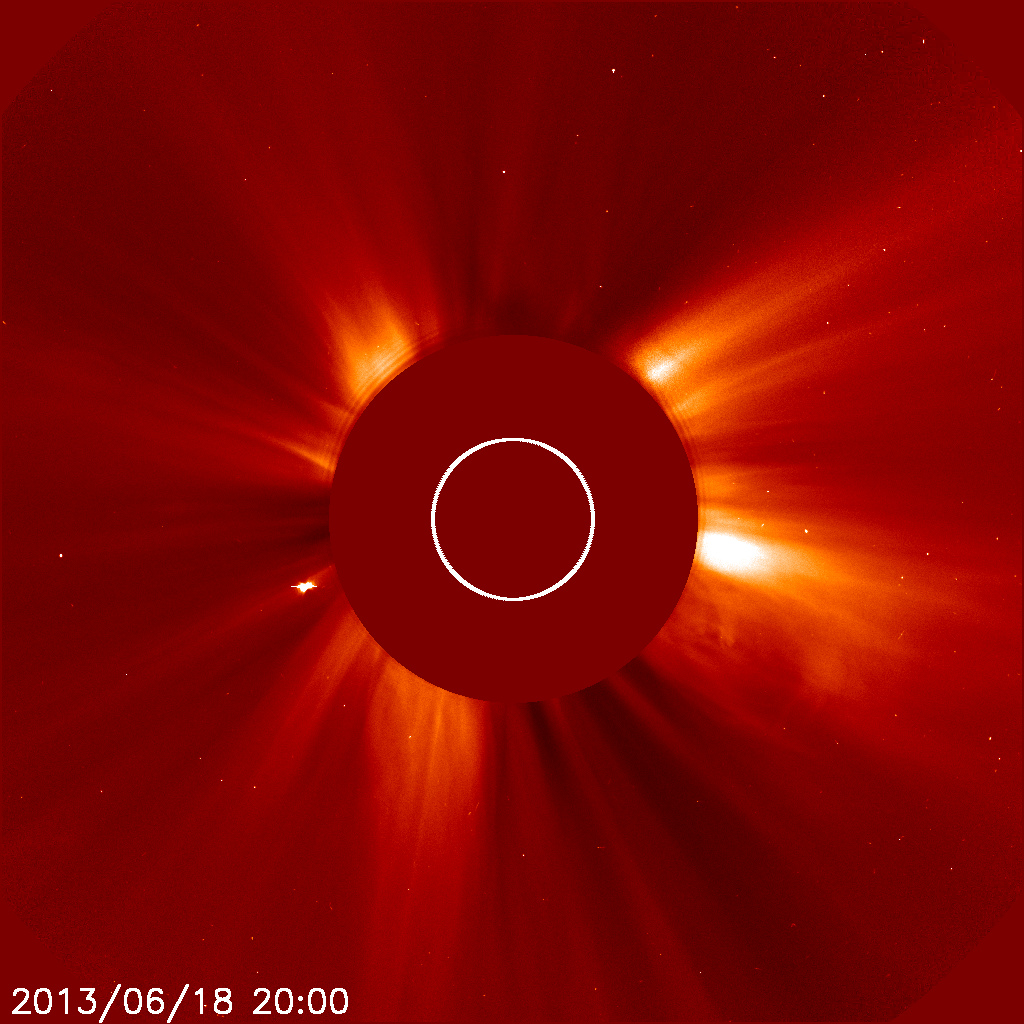
  • SOHO observes an amazing solar eclipse of Jupiter on June 19, 2013

    On June 19, 2013 NASA`s SOHO coronagraphs observed an eclipse of Jupiter by the Sun, as the planet got directly behind the solar disk; being totally obscured. This event is a rare Jupiter solar conjunction, that happens only twice within Jupiter`s 12-year orbit around

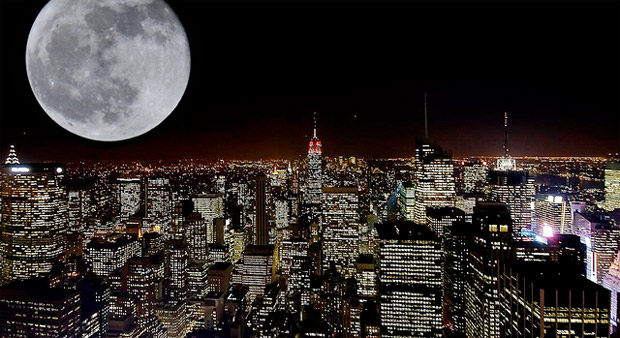
  • The most spectacular supermoon of the year – June 23, 2013

    On June 23, 2013 we will experience a truly super supermoon. The full moon that falls on June 23, 2013 at 11:32 UTC, will not only be the closest to Earth for the year, but it will also appear the biggest full moon for 2013. It will also be about 30 percent brighter