
Hydrothermal venting at residential property prompts evacuations in El Salitre, Michoacán, Mexico
Authorities in Michoacán, Mexico, evacuated a residence and nearby homes and suspended classes at a nearby preschool after hot water, steam, mud, and gases vented from the ground at a residential property in the community of El Salitre, municipality of Ixtlán, during the night of May 25–26, 2026. Protección Civil described the phenomenon as hydrothermal activity under assessment.
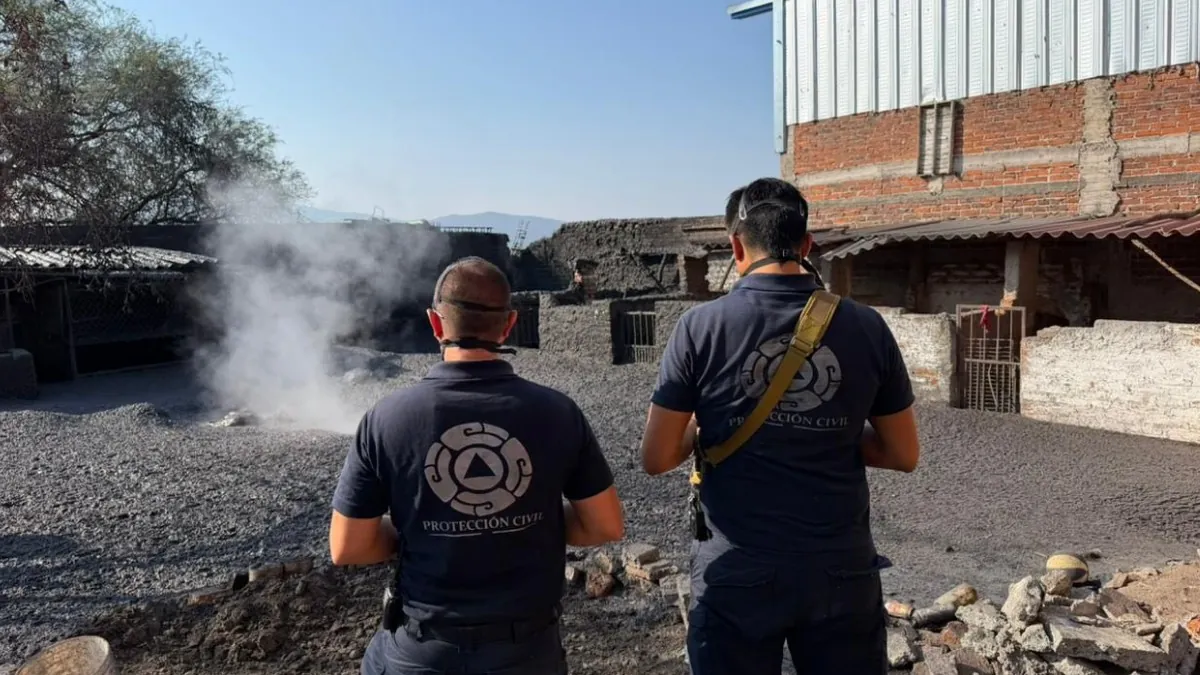
Civil protection personnel inspect hydrothermal venting at a residential property in El Salitre, municipality of Ixtlán de los Hervores, Michoacán, Mexico, after hot water, steam, mud, and gases began emerging from the ground. Credit: Secretariat of Government of the State of Michoacán
Authorities in Michoacán evacuated a residence and nearby homes after hydrothermal activity developed at a residential property in El Salitre, municipality of Ixtlán, western Mexico, during the night of May 25, 2026. Local civil protection authorities described the event as a natural hydrothermal manifestation under assessment, after hot water, steam, mud, and gases began venting from the ground.
According to Protección Civil Michoacán and municipal officials, the initial venting phase generated a pressurized column of water and steam that reportedly reached up to 15 m (49 feet) in height, although later local assessments referenced activity closer to 8 m (26 feet).
The affected site is located in El Salitre, in the municipality of Ixtlán de los Hervores, an area recognized for geothermal activity, including thermal springs. Officials stressed that the event has not been scientifically confirmed as a geyser, despite early descriptions circulating on social media and in local reports.
As a precaution, authorities evacuated the affected residence and nearby homes while emergency personnel removed gas cylinders and relocated domestic animals from the immediate area. Municipal officials also suspended activities at a nearby preschool while specialists evaluated potential hazards associated with hot fluids, gases, and unstable ground conditions.
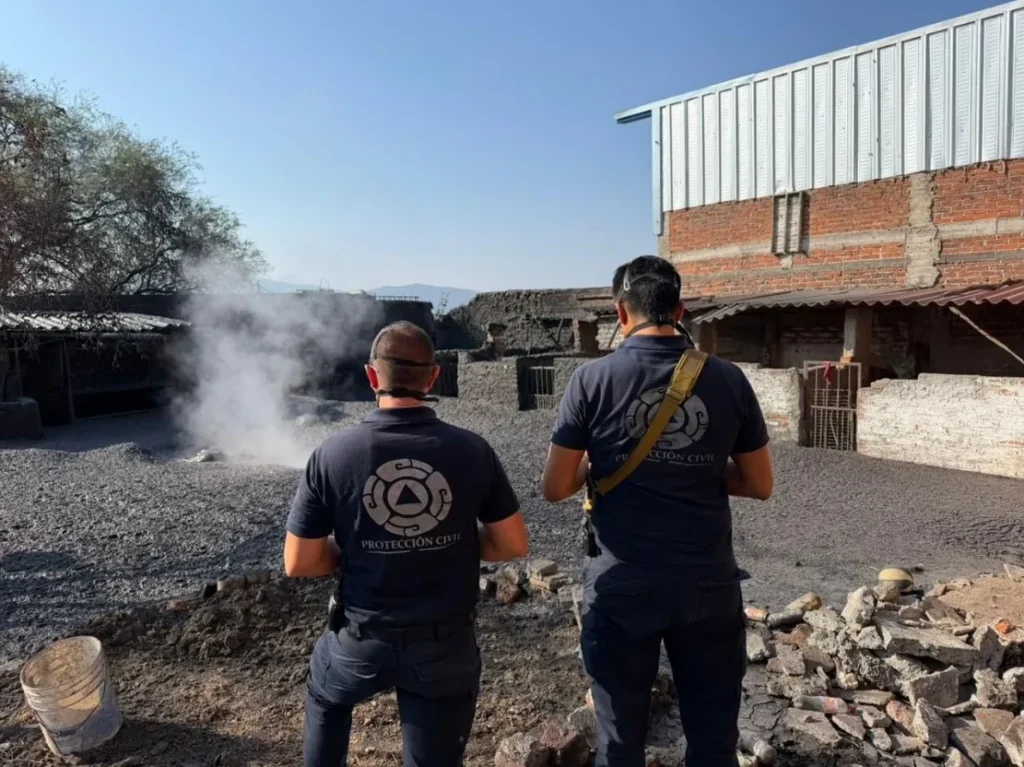
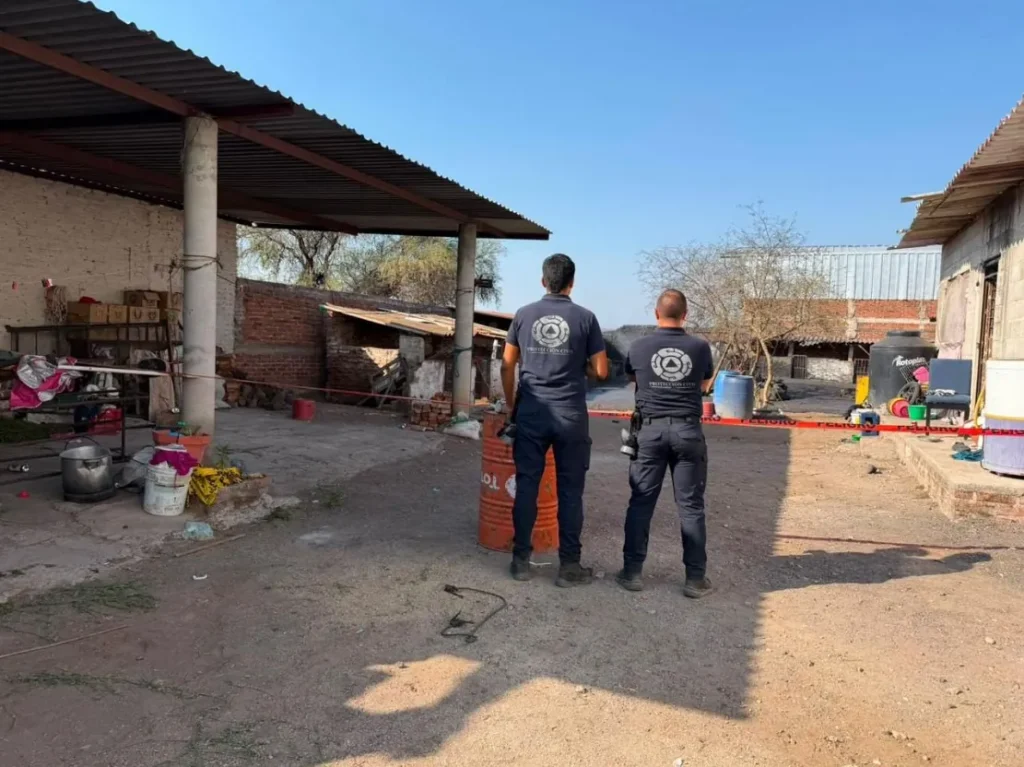
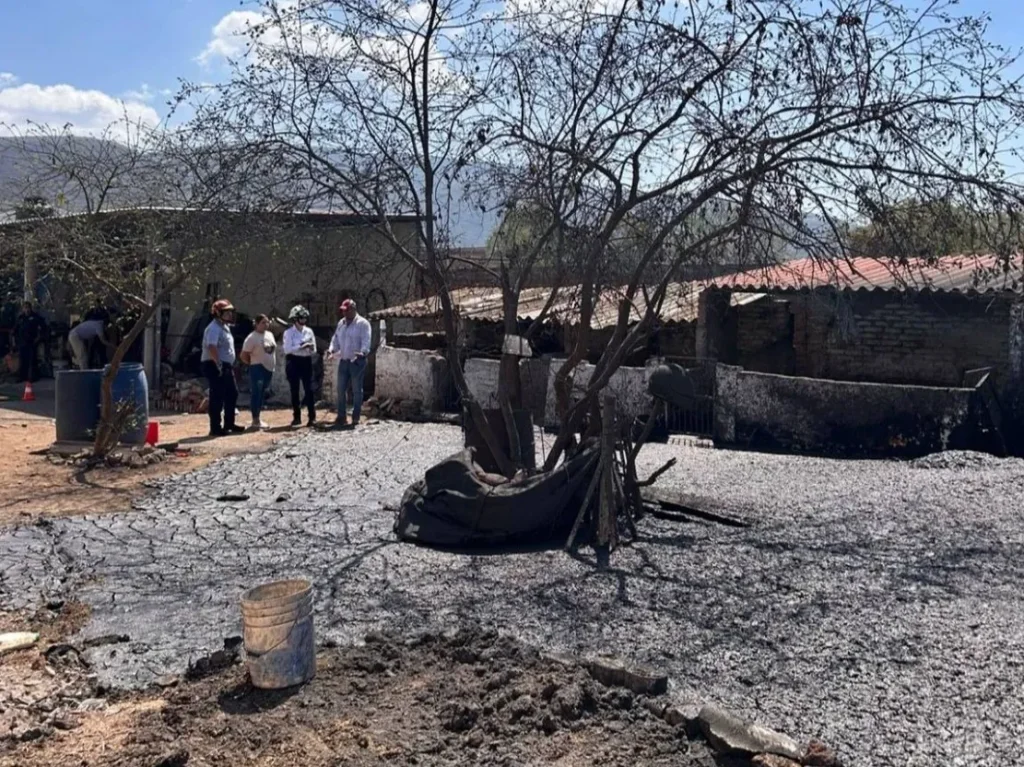
The National Center for Disaster Prevention (CENAPRED) and specialists from the National Autonomous University of Mexico (UNAM) were expected to conduct temperature monitoring, pressure measurements, geological assessment, and water and gas analysis to determine the origin and persistence of the activity.
Officials said continued monitoring would inform any additional protective measures.

I'm a dedicated researcher, journalist, and editor at The Watchers. With over 20 years of experience in the media industry, I specialize in hard science news, focusing on extreme weather, seismic and volcanic activity, space weather, and astronomy, including near-Earth objects and planetary defense strategies. You can reach me at teo /at/ watchers.news.

Commenting rules and guidelines
We value the thoughts and opinions of our readers and welcome healthy discussions on our website. In order to maintain a respectful and positive community, we ask that all commenters follow these rules.