• Interstellar spacecraft within a human reach

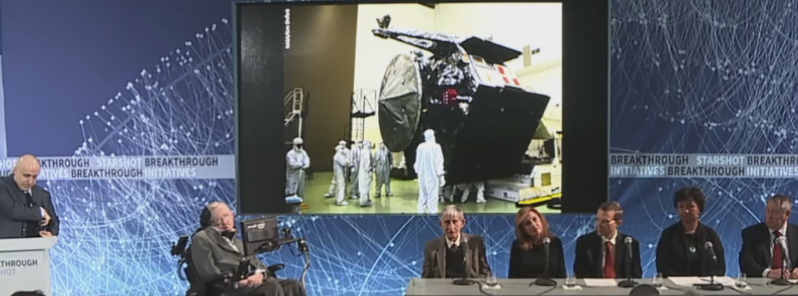
    Yuri Milner, a billionaire from Russia, announced his proposal on developing a lightweight spacecraft capable of journeying about 40 trillion km through space toward Alpha Centauri, our nearest star and it's planets, at a conference held in New York City on…
  • Wobbles in Earth’s rotation explained

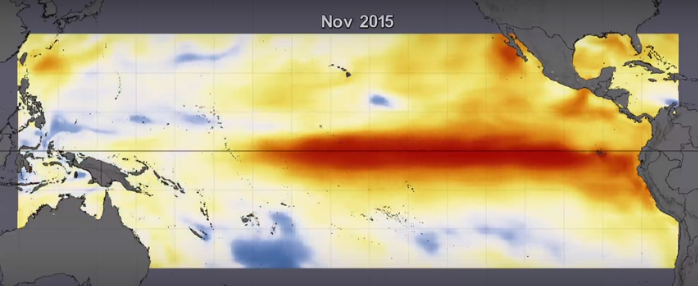
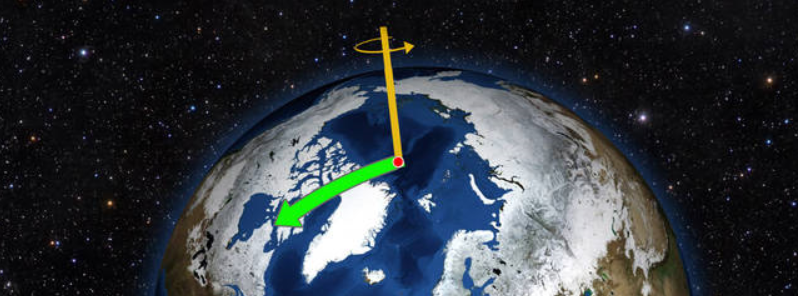
    A group of NASA's scientists has managed to answer two important questions about the wobbles observed in our planet's rotation. New insights hold a potential to significantly add to existing knowledge about the Earth's past and future climate….

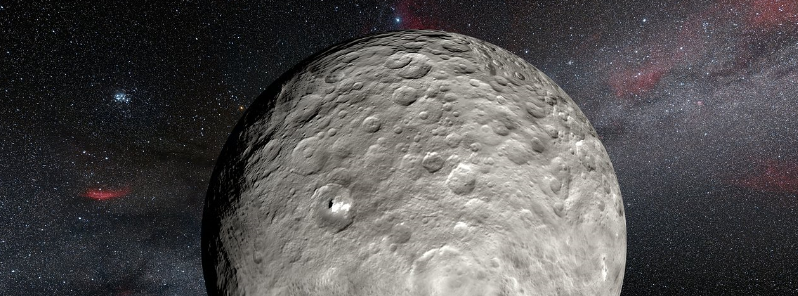
  • Bright spots of Ceres reveal unexpected changes

    New observations of the dwarf planet Ceres, made by the HARPS spectrograph at ESO's La Silla Observatory in Chile show its bright spots become brighter during the day and show other variations, not only those changes related to planet's rotation. The results…

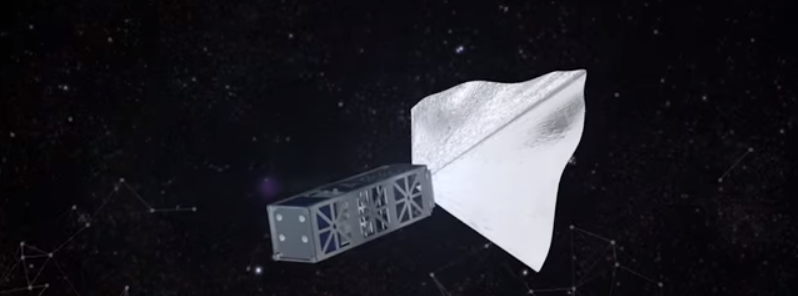
  • Russian Mayak satellite to become the brightest star in our night sky

    A team of experts from Moscow's University of Mechanical Engineering (MAMI) is getting ready to launch the Mayak satellite into space and have gathered enough funding for the final test stage of the spacecraft, they announced on March 3, 2016. Once launched,…

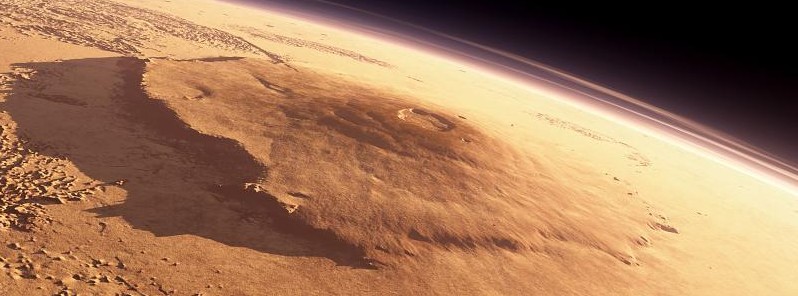
  • Massive lava flow released 3.5 billion years ago tilted Mars

    A group of scientists discovered Mars' north and south pole were displaced after a huge volcano spewed massive amount of lava 3.5 billion years ago. The weight of the lava had caused the planet's outer layers to become displaced. The study explained the…