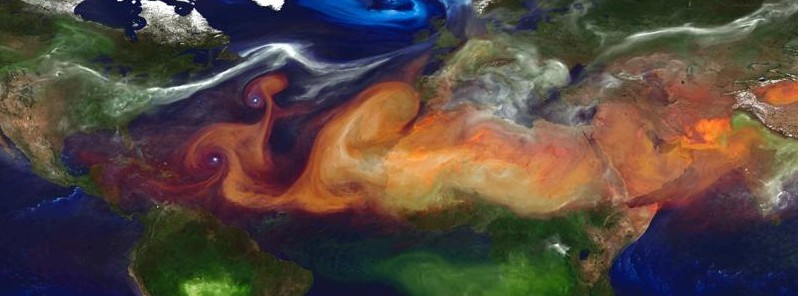
• Saharan dust affects marine bacteria, potential pathogen Vibrio

    A new study conducted in collaboration with a group of scientists from the University of Georgia suggests the Vibrio bacteria, commonly found in the world's oceans, and well-known for its capabilities of causing serious illness to both human population and…
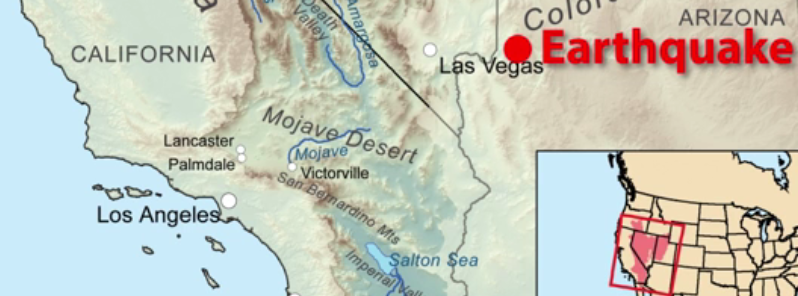
  • Explaining the Mohave earthquake swarm, Arizona

    Prompted by a swarm of earthquakes constantly shaking the grounds of Mohave County, Arizona, since late March 2016, Dr. Lee Alison, the Arizona State Geologists, Director of the Arizona Geological Survey, filmed a brief video clip to educate the residents and inform…

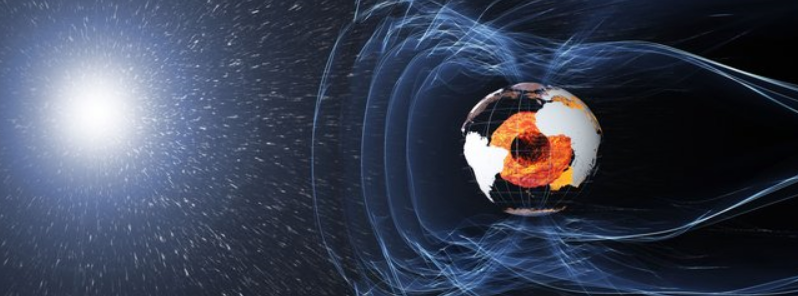
  • Earth’s magnetic field changes mapped in detail

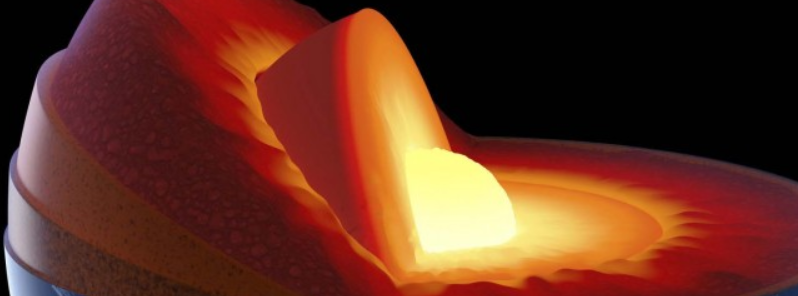
    A group of experts utilized the data collected by the ESA's SWARM satellites to show how the magnetic field is pulsating, where it's weakening and strengthening, and how fast these changes occur. For the first time, experts have mapped both the changes…

  • Expansion of tropics shifting high altitude clouds toward poles

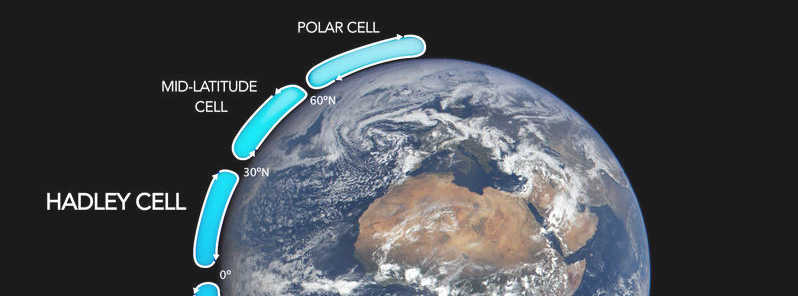
    NASA's research team conducted a study on 30-years of satellite data to reveal that a recorded trend of high altitude clouds in the mid-latitude which are shifting toward the poles is primarily caused by the expansion of the tropics. One of the most important…

  • Extreme weather over northwest Europe induced by changes over Greenland

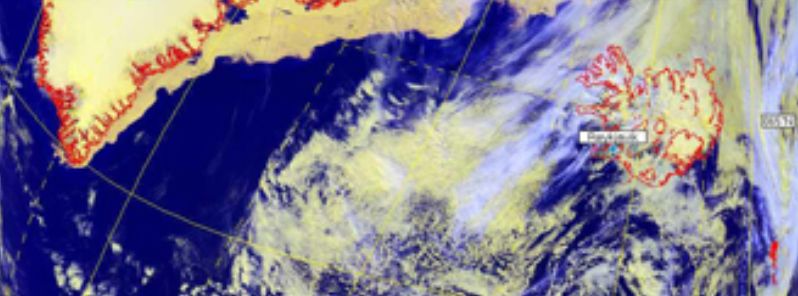
    Newest research conducted at the University of Sheffield suggests the changes identified in weather systems developing over Greenland are related to extreme weather patterns over northwest Europe, such as unusually wet conditions reported across the UK during the…

  • Earthquake-induced distant volcano eruptions

    A team of volcanologists, from the Hiroshima University in Japan, proposed how earthquakes can act as triggers for distant volcano eruptions. The trigger mechanism in question is the sloshing of the bubbly magma. The scientists have simulated the effect of…

  • Volcanic activity related to Earth’s historical climate shifts

    A new study, conducted by scientists from the University of Texas at Austin Jackson School of Geosciences, suggests the volcanic activity related to the plate-tectonic movements could have triggered climate changes in Earth's history. The research has…