• Broadcast your message into cosmos in a celestial time capsule

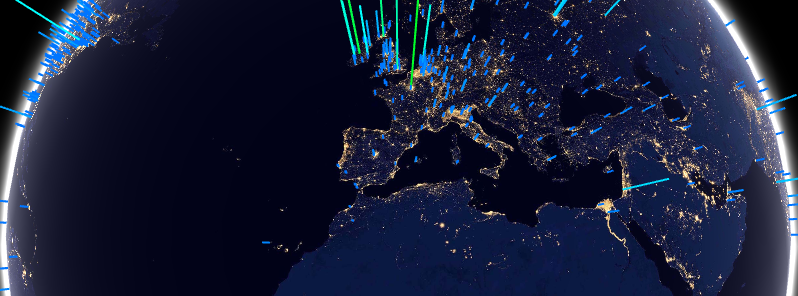
    A group of collaborators from the UK have envisioned a cultural project aimed at creating a celestial time capsule and send messages from citizens across the globe into space at the speed of light. Interstellar message bottle is expected to reach the Polaris star…

  • Cosmic ray intensification trend continues

    An intensification trend of cosmic rays activity reported last month by SpaceWeather.com continues. The latest balloon flight over California on February 5 observed the highest value yet. The gathered data shows that cosmic rays in the mid-latitude stratosphere are…

  • Isolated hills on Pluto floating in the sea of frozen nitrogen

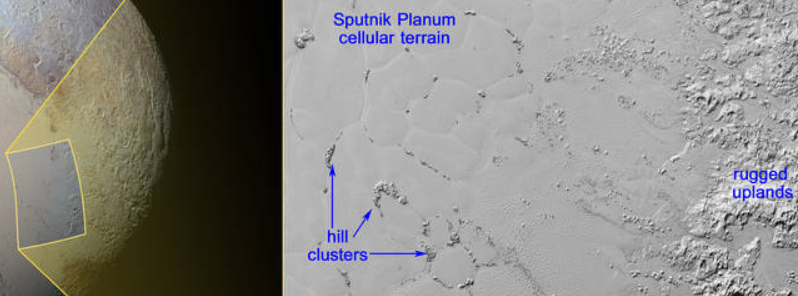
    NASA's New Horizons missions collected images and data indicating the isolated hills on Pluto may be fragments of water ice from the planet's surrounding uplands. The hills are thought to float in a sea of frozen nitrogen and move just like the icebergs in…

  • New trigger for sudden volcanic eruptions identified

    A team of scientists have suggested that a rapid formation of bubbles in magma could trigger sudden volcano eruptions with no prior warning. The explanation holds the potential to change the approach to monitoring active and dormant volcanoes across the globe. The…

  • China publishes new high-quality images of the Moon’s surface

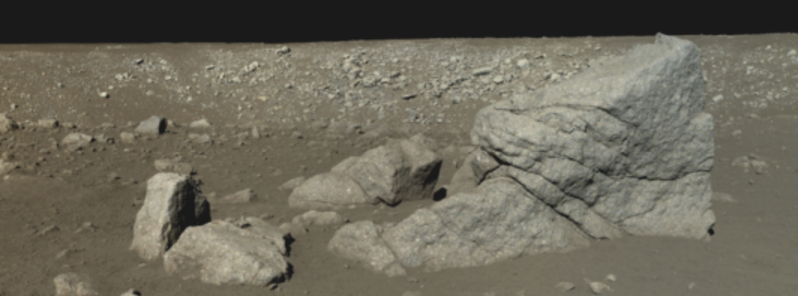
    The China National Space Administration has published hundreds of previously unseen high-quality images, videos and scientific data of the Moon. The information was gathered by the Chang'e-3 lunar rover and is now available to anyone who is interested in it. …

  • Asteroid 2013 TX69 to safely pass Earth on March 5

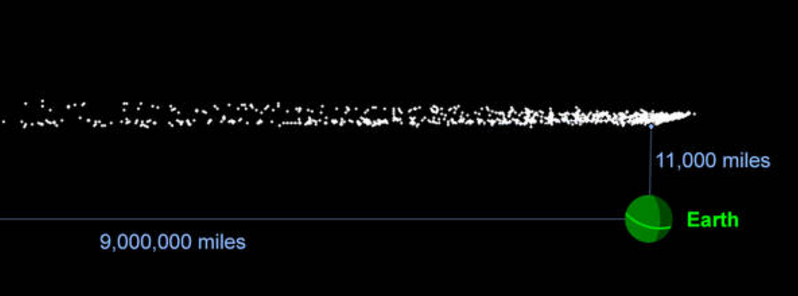
    2013 TX68, the small asteroid that flew by our planet two years ago is now coming back again for another flyby on March 5, 2016. This time, the asteroid might make a much closer pass though still at a safe distance. Two years ago, 2013 TX68 flew by Earth at a…

  • Giant hydrogen cloud boomeranging back to Milky Way

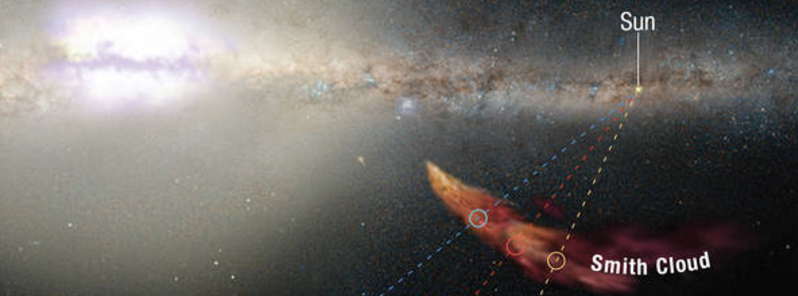
    A large cloud of hydrogen gas is on a return collision course to the Milky Way galaxy, running towards it with a speed of almost 1 126 540 km/h (700 000 mph) and is expected to hit it in about 30 million years. The new Hubble Space Telescope observations suggest the…