• Scientists venture to Antarctica to uncover origin of modern vertebrates

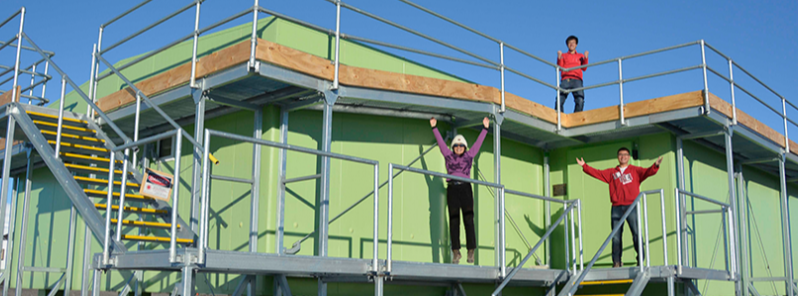
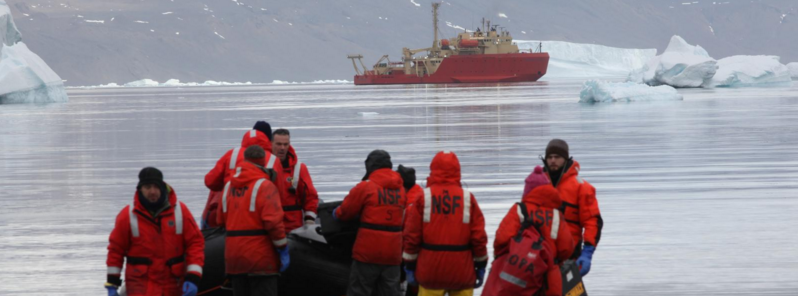
    An international team of researchers led by paleontologists from the Carnegie Museum of Natural History, the University of Texas at Austin, Ohio University and the American Museum of Natural History are set to travel to Antarctica in search for evidence that some…
  • The underlying cause of the deadly 1964 Alaska tsunami revealed

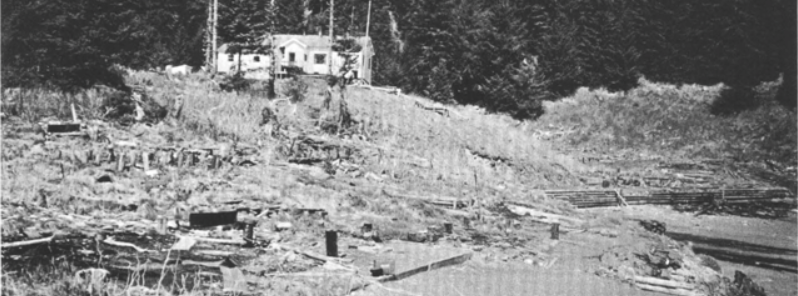
    The USGS scientists in collaboration with their colleagues from Boise State University and the Alaska Department of Fish and Game finally managed to unravel the cause of a massive tsunami that destroyed Valdez, Seward and Whittier towns in Alaska in 1964. A series…

  • Cosmic radiation intensifying as we enter another Solar Minimum

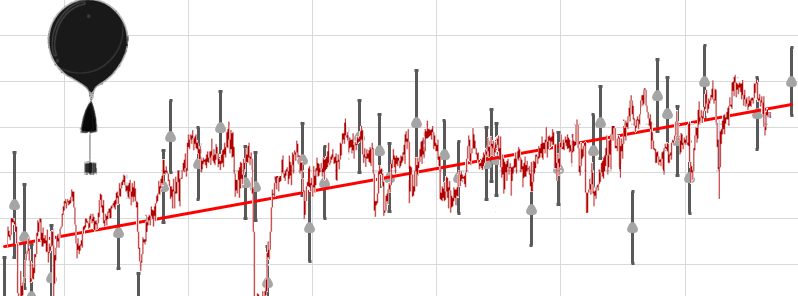
    An increased activity of cosmic rays has been observed around the Arctic Circle by the neutron monitors during the last year. The same trend was also noted in an independent measurement project carried out by the Spaceweather.com and the students of Earth to Sky…

  • A drone firefighter scout to fight fires in extreme indoor conditions

    A group of scientists, from the Korea Advanced Institute of Science and Technology (KAIST), have developed a scout firefighter drone, capable of fighting fires in difficult to reach, high places. The drone can also locate the fire source and people trapped inside,…

  • Zika virus spreads to Americas, 3 cases reported in the UK

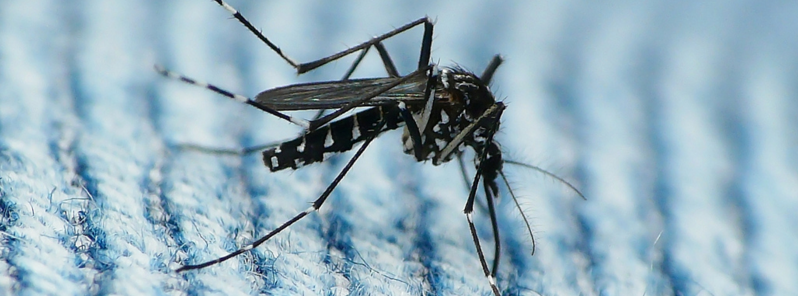
    Zika, a mosquito-borne virus first isolated from a monkey in Zika Forest, Uganda in 1947, spread to 21 countries and territories of the Americas, the World Health Organization (WHO) reported on January 23, 2016. The virus will continue to spread and probably reach…

  • NASA’s Van Allen Probes broaden view on the shape of Van Allen Belts

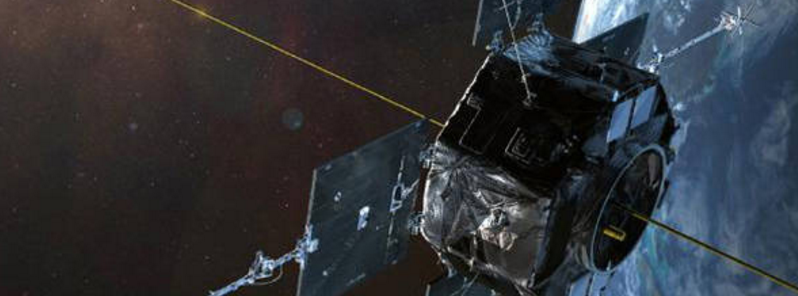
    NASA's Van Allen Probes enabled the scientists to gather a more precise picture of the structure of Van Allen Belts that shield our planet from the solar radiation. New research shows their shape varies depending on the energy of charged particles constituting…

  • Carbon emissions from Earth’s interior quantified

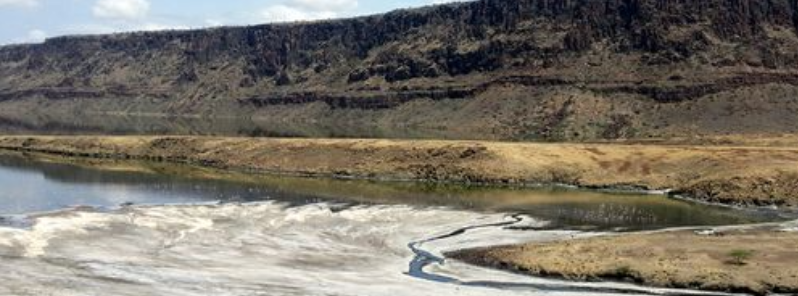
    A team of scientists, led by the researchers at the University of New Mexico (UNM), has studied carbon emissions through fault systems in the East African Rift (EAR). The goal of the research was to gain a better understanding of carbon emissions from the interior…