
Poland sets new all-time national temperature record with 40.5°C (104.9°F) in Słubice
Poland’s western border town of Słubice reached 40.5°C (104.9°F) on June 28, 2026, breaking the station’s previous record of 39.5°C (103.1°F) from 1994 and surpassing the country’s historic temperature benchmark of 40.2°C (104.4°F) measured at Prószków in 1921, just one day after the town set a new national June record.
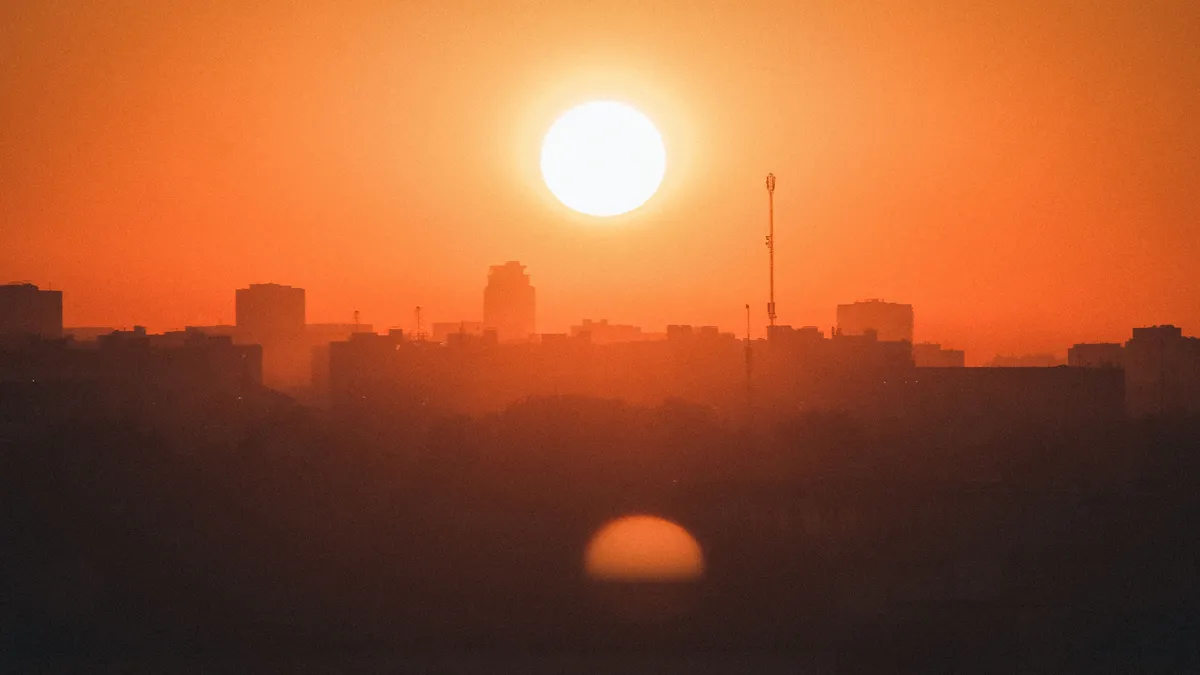
Image credir: Sveta K
Poland’s western border town of Słubice reached 40.5°C (104.9°F) on June 28, breaking the station’s previous record of 39.5°C (103.1°F) set on July 30, 1994, and surpassing the country’s historic temperature benchmark of 40.2°C (104.4°F) measured at Prószków on July 29, 1921.
The milestone came just one day after Słubice established a new national June record of 38.9°C (102.0°F). Operational observations also reached 40.3°C (104.5°F) in Toruń.
IMGW spokeswoman Agnieszka Prasek said operational data indicate the long-standing national benchmark has been exceeded. She added that the 40.5°C observation is undergoing the institute’s standard verification and quality-control process and, if confirmed, will become the highest temperature recorded in the history of meteorological measurements in Poland.
Heat warnings remained in force across large parts of the country as authorities urged residents to avoid prolonged exposure to the sun, stay hydrated and limit strenuous outdoor activity. Warsaw was among the cities that activated public misting stations and water curtains to help people cope with the extreme temperatures, while emergency services remained on heightened alert for heat-related illnesses and an elevated wildfire risk.
Meteorologists said the heatwave is expected to end as a cold front moves into Poland, triggering severe thunderstorms during the afternoon and evening. The storms are forecast to bring heavy rainfall, damaging wind gusts and large hail, with localized flooding possible after several days of intense heat.

I’m a science journalist and researcher at The Watchers, contributing to the Epicenter edition, where I cover peer-reviewed scientific research and emerging discoveries across Earth and space sciences. With a background in astronomy and a passion for environmental science, I’ve worked in shark and coral conservation in Fiji, conducting reef and shark-behavior research, contributing to mangrove restoration, and earning PADI Open Water and Coral Reef Certifications. I bring a blend of scientific rigor and storytelling to illuminate the discoveries shaping our planet and beyond.

Commenting rules and guidelines
We value the thoughts and opinions of our readers and welcome healthy discussions on our website. In order to maintain a respectful and positive community, we ask that all commenters follow these rules.