
The world’s worst bee parasite “Varroa destructor” detected in South Australia for the first time
The world’s worst honey bee parasite, the Varroa destructor, a parasitic mite, was detected in South Australia for the first time, authorities confirmed on September 3, 2025. The detection occurred in a managed hive from a Queensland consignment located near Pooginook in the Riverland region.

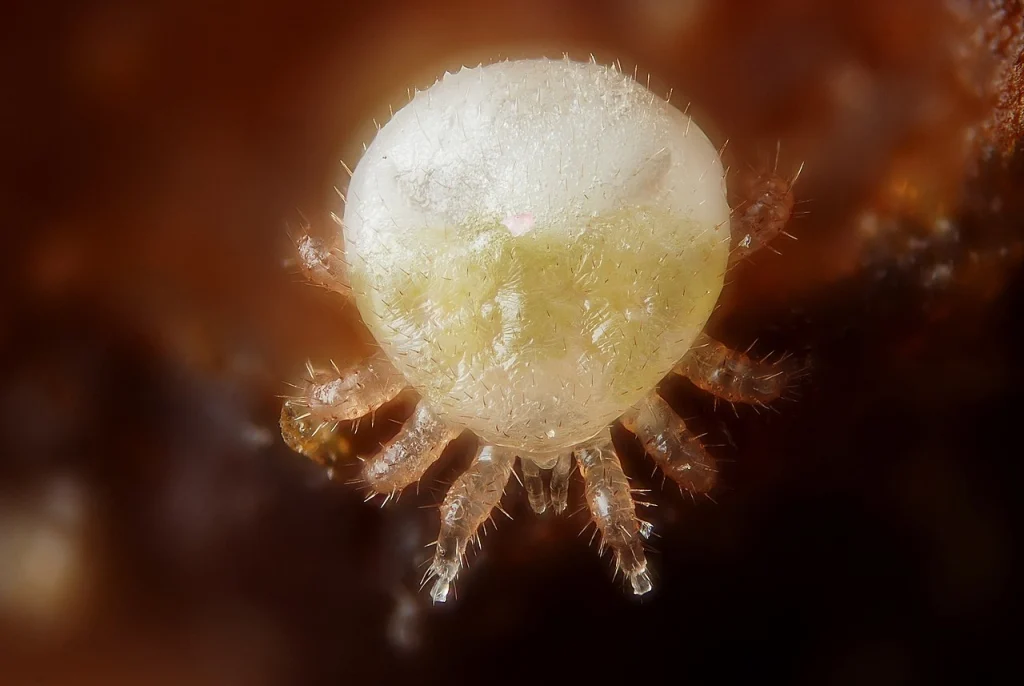
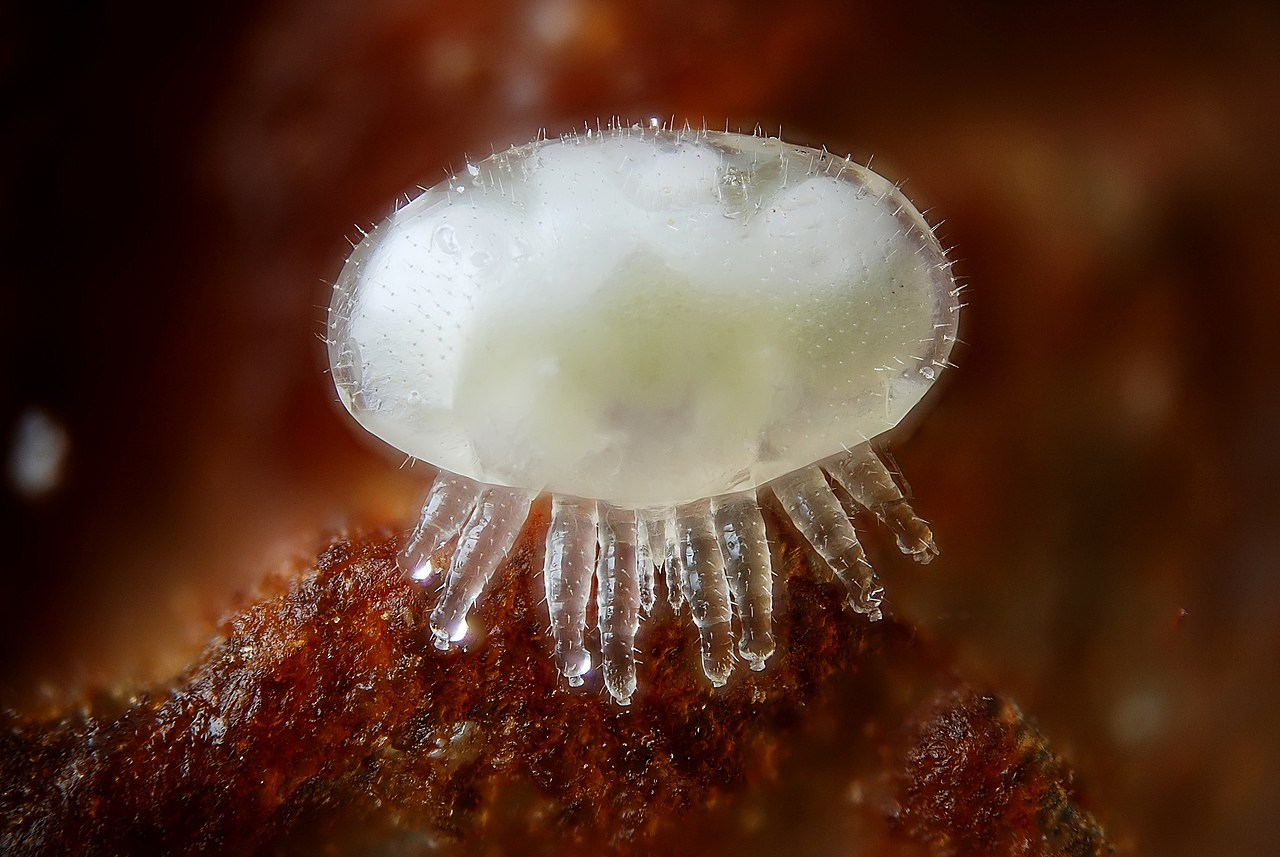
A female Varroa destructor (Varroa mite). Credit: Gilles San Martin
South Australian authorities confirmed the state’s first detection of Varroa destructor on September 3. The mite was identified in a managed hive that arrived in a consignment from Queensland and was placed near Pooginook in the Riverland.
The Department of Primary Industries and Regions South Australia (PIRSA) said. AdelaideNow reported the consignment was intended for almond pollination.
This marks South Australia as the fifth jurisdiction in Australia to confirm the presence of the parasite. It was first detected in New South Wales in 2022 and has since been found in Victoria, Queensland, and the Australian Capital Territory.
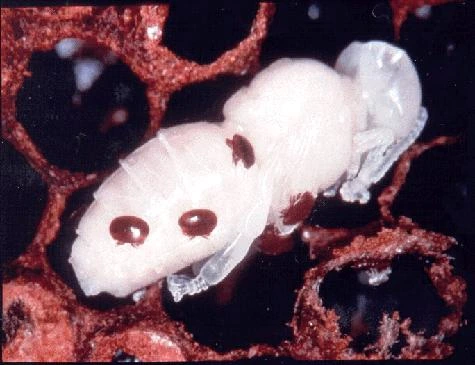
The mite, commonly referred to as Varroa mite, attaches to adult honey bees and developing brood, feeding on their fat bodies and transmitting multiple viruses. This weakens colonies, reduces reproduction, and can lead to hive collapse if unmanaged.
Management approach: eradication of Varroa mite not possible
Authorities have ruled out eradication, adopting a national management framework implemented in 2023–2024. On September 19, 2023, the National Management Group determined eradication was no longer feasible, and a 24-month Transition to Management plan was endorsed in February 2024.
PIRSA said local efforts will focus on containing spread, supporting beekeepers, and strengthening monitoring systems.
Biosecurity notices were issued to operators with hives within 25 km (16 miles) of Pooginook since July 25, 2025. These operators must report to PIRSA for inspections. The department advised all South Australian beekeepers to inspect their colonies regularly and immediately report any suspected mite presence via the Exotic Plant Pest Hotline.
Impact on Australian agriculture

At least 35 commercial industries and crops depend significantly on honey bee pollination in Australia. About 35% of crops require insect pollination, and up to 75% benefit from it.
Almond pollination represents the largest annual livestock movement in Australia, requiring about 200 000–300 000 hives nationally. The Riverland is one of the country’s principal almond-growing regions.
Economic and ecological impact of the Varroa destructor
Modelling by the Commonwealth Scientific and Industrial Research Organisation (CSIRO) indicates feral honey bee populations are expected to collapse by 90–100%. Such losses would severely disrupt pollination of both native flora and commercial crops.
The Australian Bureau of Agricultural and Resource Economics and Sciences (ABARES) has estimated the mite could cost pollination-dependent industries more than AUD 70 million annually.
Individual operators also face significant new costs. Riverland beekeeper Ian Cass, who manages about 300 hives, said treatment requirements are expected to add AUD 60–70 per hive each year, increasing his annual expenses by AUD 18 000–21 000.
National context
Australia remained free of Varroa mite until June 2022, when it was detected at the Port of Newcastle in New South Wales. Since then, the parasite has spread across eastern states. An eradication program was attempted in 2022–2023, but was abandoned when containment became unfeasible.
The National Management Group subsequently endorsed a management plan focusing on chemical and biotechnical treatments, selective breeding for resistance, and long-term monitoring.
What lies ahead
Experts agree that eradication is no longer possible and that all Australian beekeepers will eventually need to manage Varroa mite as part of routine operations. Authorities expect the parasite to spread further across South Australia despite containment efforts.
Feral honey bee populations are considered unlikely to survive long-term infestation, which could reduce pollination for both native ecosystems and agriculture.
PIRSA stated that communication with industry stakeholders will continue and that further detections are anticipated as surveillance expands.

I am an Assistant Editor and Severe Weather & Science Journalist at The Watchers, specializing in real-time severe weather coverage, geophysical event reporting, and research-driven scientific analysis. You can reach me at rishav(at)watchers(.)news.

Commenting rules and guidelines
We value the thoughts and opinions of our readers and welcome healthy discussions on our website. In order to maintain a respectful and positive community, we ask that all commenters follow these rules.