
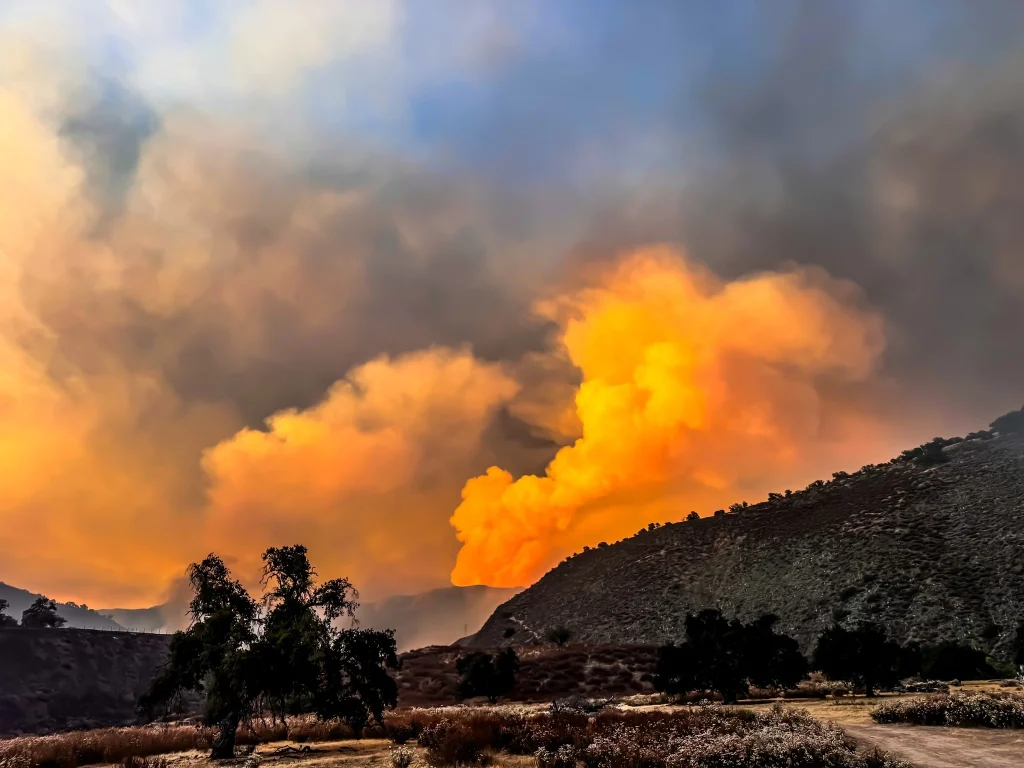
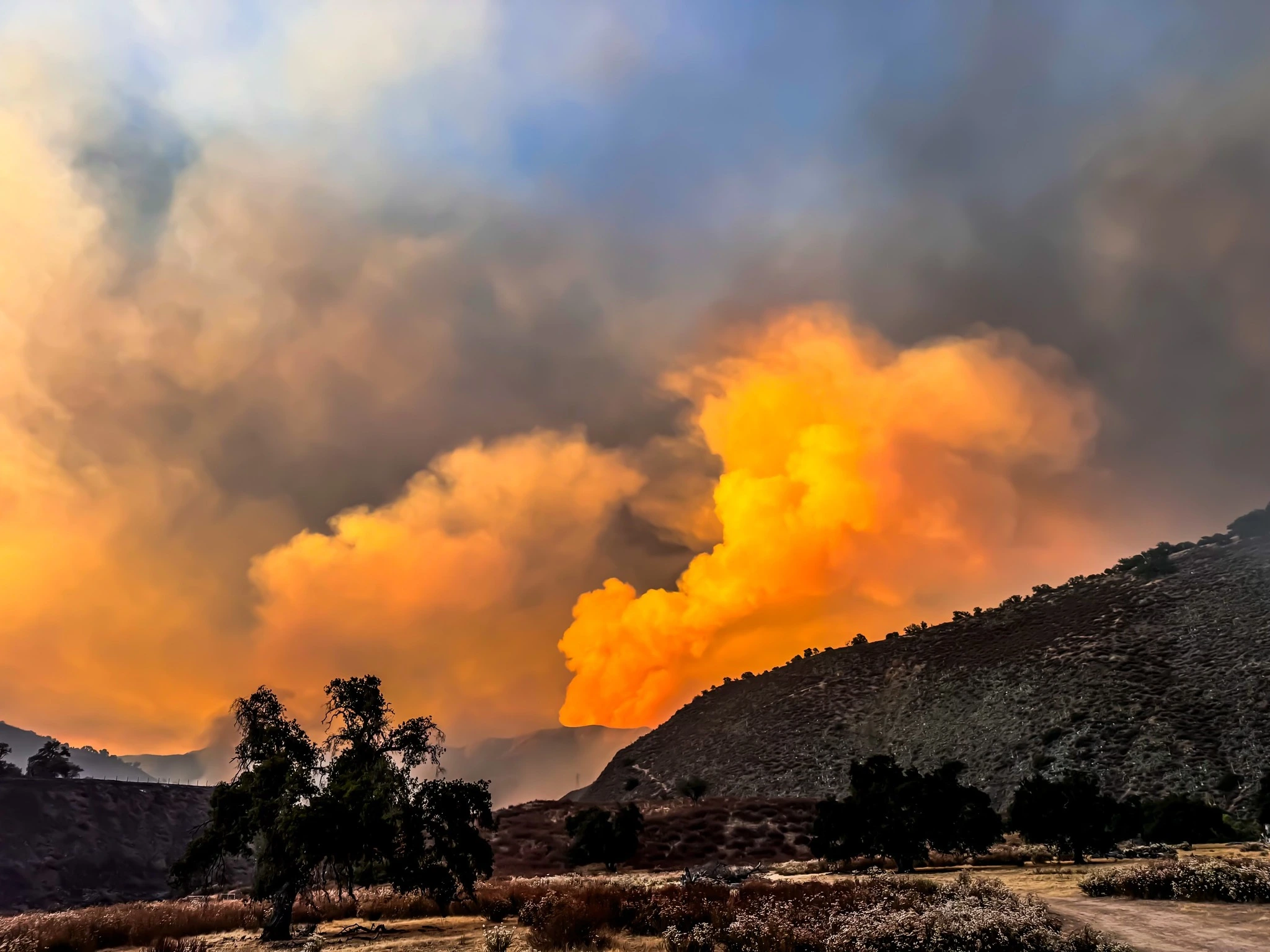
Gifford Fire burns over 26 000 ha (65 000 acres) in Los Padres National Forest, California
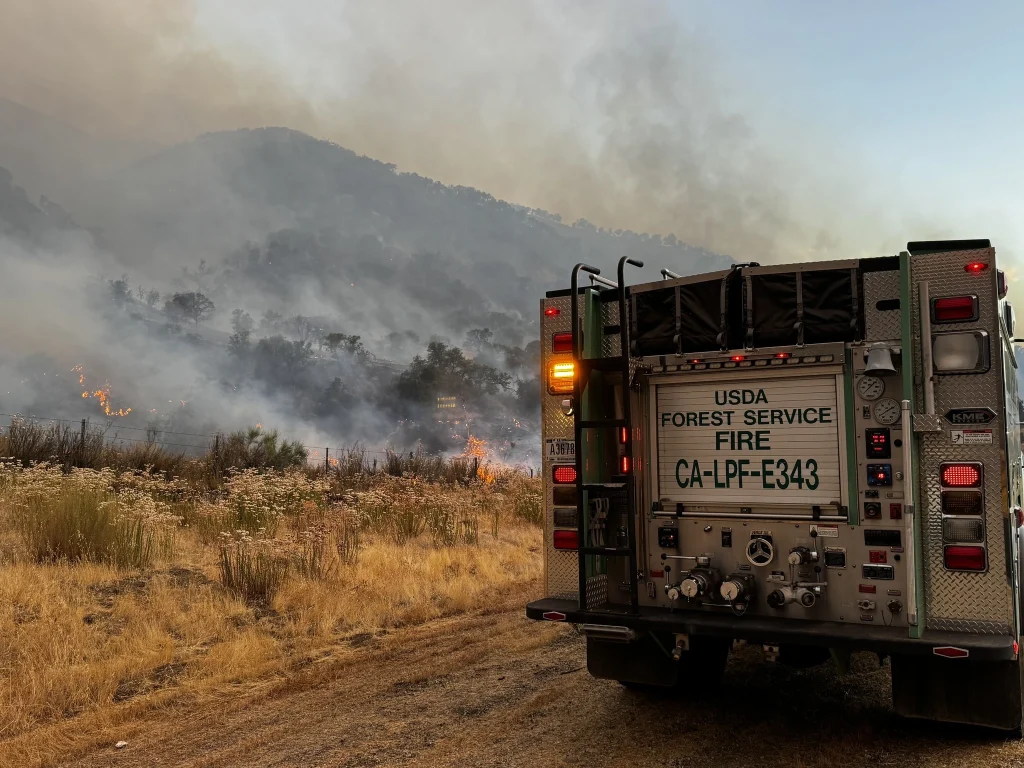
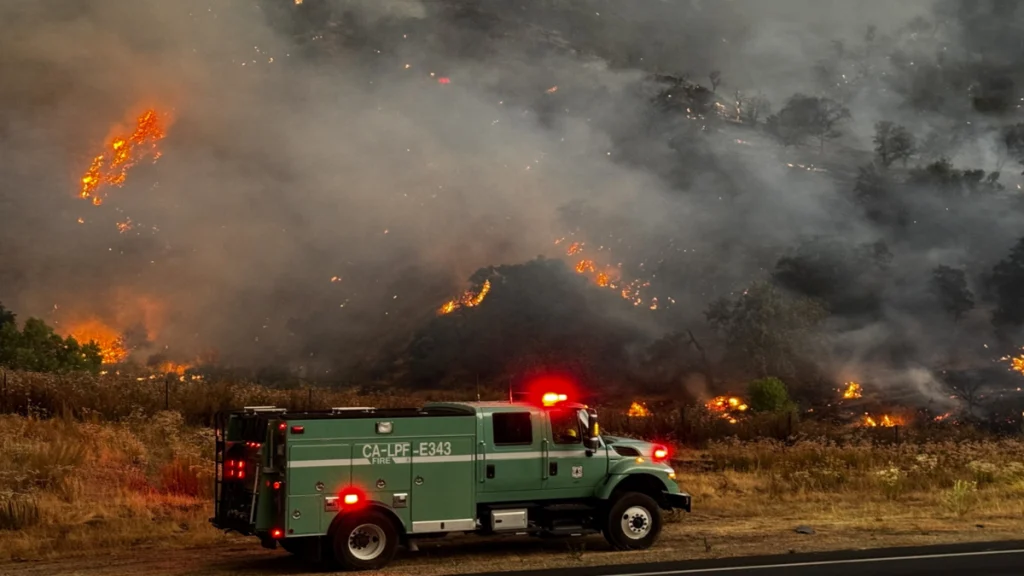
Gifford Fire has burned over 26 200 ha (65 000 acres) in Los Padres National Forest, California, forcing evacuations in Santa Barbara and San Luis Obispo Counties since igniting on August 1, 2025. The fire is 3% contained, with more than 1 000 personnel assigned.

Gifford Fire, Los Padres National Forest, California - August 2025. Credit: U.S. Forest Service - Los Padres National Forest
Gifford Fire started at 14:00 local time (LT) on August 1, near Highway 166 close to the Gifford Trailhead in the Santa Lucia Ranger District of Los Padres National Forest. The cause is under investigation.
As of 16:00 UTC on August 4, the fire had grown to an estimated 26 330 ha (65 062 acres) and is just 3% contained. More than 1 000 firefighting personnel are engaged, supported by helicopters, air tankers, dozers, and engines under Unified Command between Los Padres National Forest, CAL FIRE, and Santa Barbara County Fire Department.
The fire is burning in steep, rugged terrain covered with tall grass exceeding 60 cm (2 feet) and chaparral over 1.8 m (6 feet) in height.
These fuels, combined with temperatures in the mid‑30s °C (mid‑90s °F), low humidity, and north‑north‑east wind gusts up to 40 km/h (25 mph), are driving aggressive fire behavior.
Three people have been injured, one civilian with burns was airlifted for treatment, and two contracted workers were hurt in a utility terrain vehicle rollover.
Mandatory evacuation orders remain in effect for multiple zones in both counties, including Upper Tepusquet Canyon, Cottonwood Canyon Road, and areas west of School House Road.
 Image credit: U.S. Forest Service – Los Padres National Forest
- Image credit: U.S. Forest Service – Los Padres National Forest
- Image credit: U.S. Forest Service – Los Padres National Forest
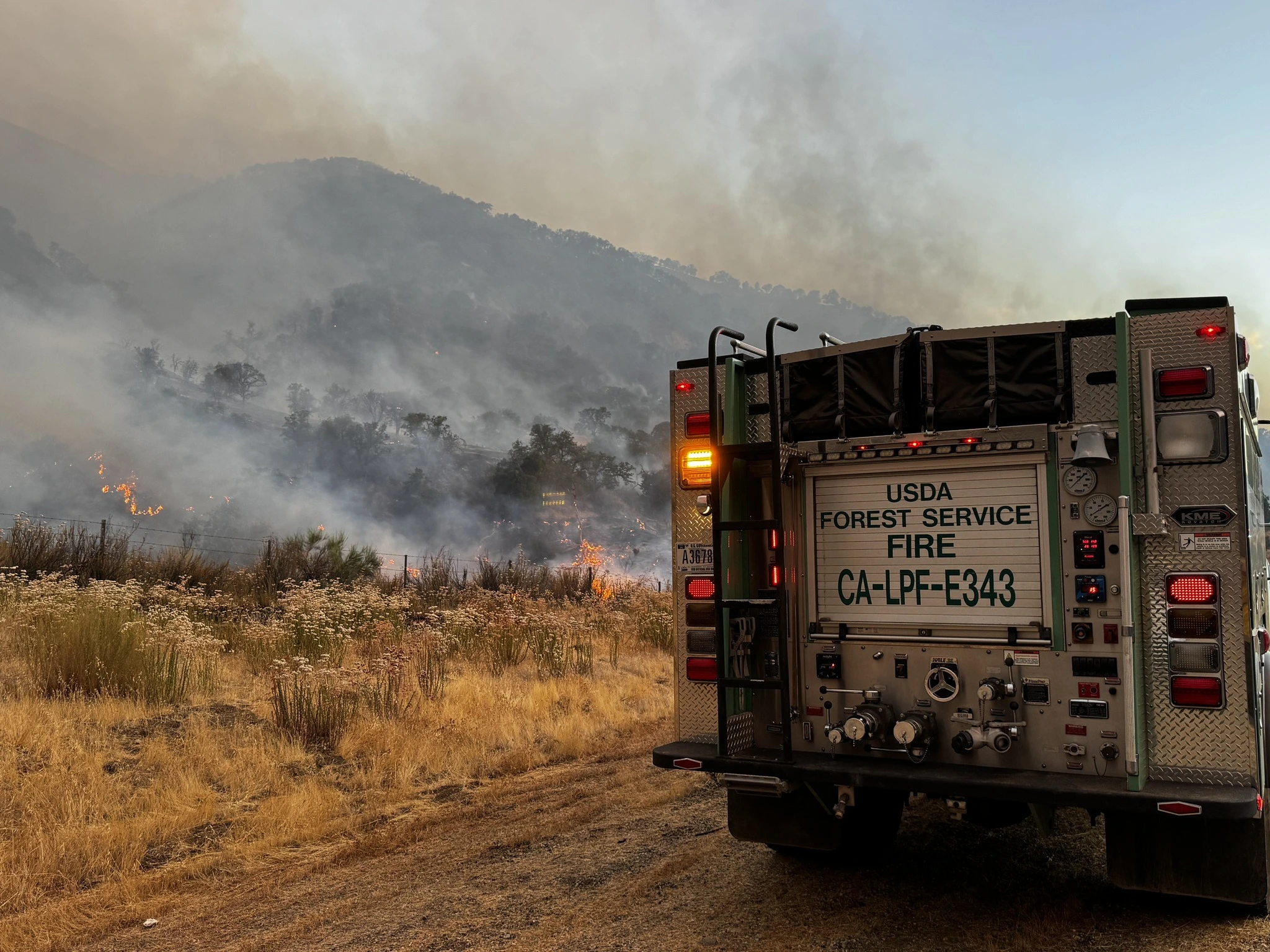
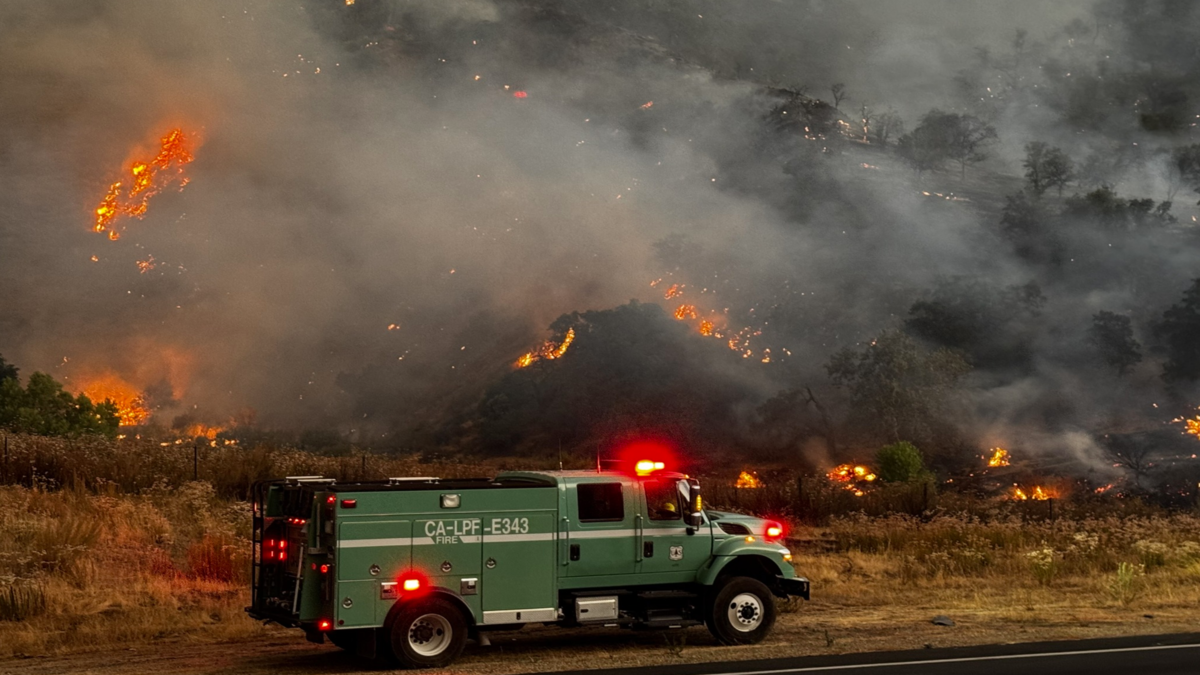
Several evacuation warnings are in place for surrounding communities. Highway 166 remains closed between Highway 101 and New Cuyama.
At least 460 structures are currently threatened. Temporary evacuation centers have been established at the Cuyama Valley Family Resource Center and Benjamin Foxen Elementary School in Santa Maria. Animal sheltering facilities are available for pets and livestock.
The fire’s rapid expansion and low containment are expected to continue while current weather patterns persist. Crews are focusing on structure protection, strengthening containment lines, and utilizing aerial suppression to slow the fire’s spread.

I’m a science journalist and researcher at The Watchers, contributing to the Epicenter edition, where I cover peer-reviewed scientific research and emerging discoveries across Earth and space sciences. With a background in astronomy and a passion for environmental science, I’ve worked in shark and coral conservation in Fiji, conducting reef and shark-behavior research, contributing to mangrove restoration, and earning PADI Open Water and Coral Reef Certifications. I bring a blend of scientific rigor and storytelling to illuminate the discoveries shaping our planet and beyond.
Published in the last 24 hours
- In September 1859, a solar storm lit up the night sky so brightly that gold miners in the Rocky Mountains woke up after midnight and started cooking breakfast, convinced the aurora glowing over their camp was the sunrise Epicenter
- A patch of warm Pacific water that could become the strongest El Niño in more than 70 years sits thousands of miles from any American town, yet it is already the main reason NOAA expects a wetter winter across the South and a milder one across the North
- A 19-year-old Nebraska teacher reportedly tied her pupils together with twine and led them to safety through a blizzard in January 1888 Epicenter
- NASA built the Opportunity rover to last 90 days on Mars, and Martian winds helped keep it alive for nearly 15 years by blowing dust off its solar panels, until a planet-wide dust storm in 2018 blocked sunlight and silenced the rover Epicenter
