
Widespread flooding continues in Southern Africa, significantly affecting crops and livestock

Image credit: NASA/NOAA Suomi NPP/VIIRS Acquired January 19, 2020.
Incessant rains have been battering parts of Southern Africa particularly Mozambique, Zambia, and Zimbabwe, resulting in widespread flooding that has significantly affected crops and livestock.
In Mozambique, 19 people have lost their lives in seven districts due to weather-related accidents in the 2019-20 rainy season. Furthermore, 13 others were injured, 4 515 families were affected, 2 503 homes were damaged, and 626 were destroyed.
Floodwaters affected around 2 233 ha (5 518 acres) of crops, while 83 ha (205 acres) of crops were already considered lost.

In Zambia, floods destroyed crops in areas that are already suffering from food shortages following a severe drought, with Gwembe and Siavonga among the hardest-hit. On January 15, 109 mm (4.3 inches) of rain fell in Gwembe.
"The flooding has destroyed crops, including maize, especially in the Munyumbwe area in Gwembe District, according to the Government’s Disaster Management and Mitigation Unit (DMMU)," said the UN Office for the Coordination of Humanitarian Affairs (UN OCHA).
"Some bridges have been submerged in the same area, hampering access. Gwembe District was already facing Emergency (IPC Phase 4) levels of food insecurity due to the worst drought the country has seen since 1981. Last year, the district recorded a 98 percent reduction in maize production, compared to 2018 and the five-year average."
UN OCHA added that over 2.3 million people are feared to be extremely food insecure during the lean season.
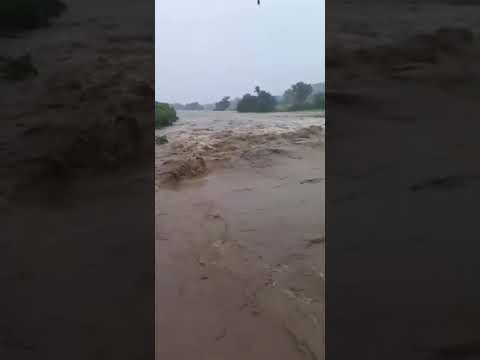


In Zimbabwe, flooding has displaced 40 and also ravaged homes, crops, and livestock after heavy rain over the past few days, with the Hwange district being the worst-affected. 139 mm (5.4 inches) of rain fell in the district in just three hours on January 18, leading to flash floods. Meanwhile, Nkayi recorded 124 mm (4.9 inches) in a 24-hour period to January 19.
Inundations have reportedly reached 1.5 m (5 feet) in some areas. A power station had been affected as well, causing disruptions.
"Incessant rains continue to pound the country, whilst the rains have brought relief to many, the Met Dept continues to warn citizens of the possibility of flooding. The Civil Protection Unit continues to monitor the situation across the country," the Zimbabwe Government said.


Published in the last 24 hours
- Second nationwide US flight halt since 9/11: how the November 13 FAA ground stop compares with September 2001 and January 2023 Epicenter
- FAA grounds all departing flights across the US after communications outage hits air traffic control centers nationwide
- In September 1859, a solar storm lit up the night sky so brightly that gold miners in the Rocky Mountains woke up after midnight and started cooking breakfast, convinced the aurora glowing over their camp was the sunrise Epicenter
- A patch of warm Pacific water that could become the strongest El Niño in more than 70 years sits thousands of miles from any American town, yet it is already the main reason NOAA expects a wetter winter across the South and a milder one across the North
