
Exotic species spreading through world’s seas
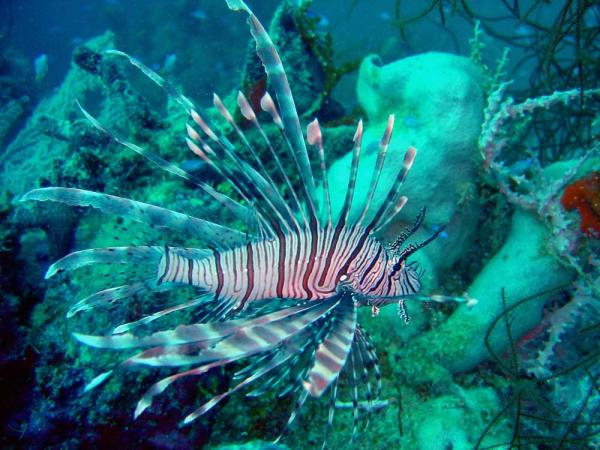
Image credit: TW
Exotic species have invaded more than 80 percent of the oceans and coasts on Earth, causing problems that can ultimately cost billions of dollars to handle — and these species may spread even further as climate changes worldwide, scientists find.
Invasive species are infamous for wreaking havoc on land — kudzu vines have covered large swaths of the U.S. Southeast; zebra mussels have invaded U.S. waterways; and rabbits and cane toads have bred to huge numbers in Australia.
Now scientists find that 84 percent of all marine regions harbor invasive species as well, said marine ecologist Susan Williams, director of the University of California's Bodega Marine Laboratory. More than half of these are harmful against the invaded territories, she added.
"There are more than 500 non-native species established in U.S. tidal waters," Williams said.. Worryingly, even remote Antarctica is afflicted.
"Antarctica is important to us not just because of penguins and melting ice, but because it is a very special place for organisms — 50 percent of the species there live in Antarctica and no place else, so it's a very special place for biodiversity."
Read more: OurAmazingPlanet
Pollution by Invasive Species @ Water Encyclopedia

Published in the last 24 hours
- A Virginia park ranger was struck by lightning seven times and lived, even though three of the strikes set his hair on fire Epicenter
- The hole in the ozone layer over Antarctica was about twice the size of the US this year, and scientists say it would have been bigger still if ozone-eating chemicals were at their 2000 levels Epicenter

Omg,what is this? HAHAHA,:) Hope u do it better,because I don't like it,sorry:'(