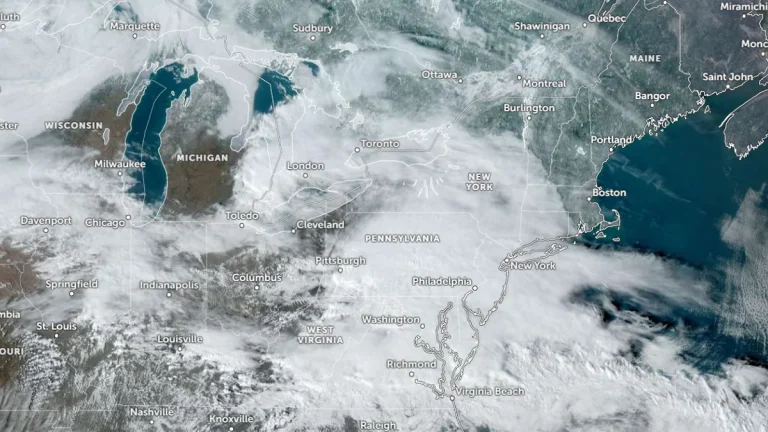
• Severe storms damage trees and power lines from Michigan to Pennsylvania, damaging wind risk continues

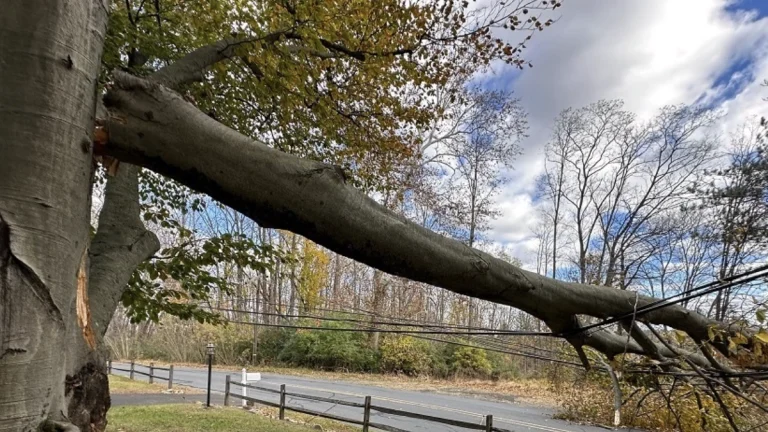
    Severe thunderstorms damaged trees and power infrastructure from Michigan to Pennsylvania on September 2 and 3, 2026 while a gust of 103 km/h (64 mph) was recorded at Ronald Reagan Washington National Airport late September 3. DTE Energy reported 145 000 customers restored by early September 4, while the Storm Prediction Center maintained a Slight Risk from the southern Great Lakes into the Mid-Atlantic, with damaging wind gusts the primary hazard


  • Dover declares State of Emergency after tornadoes and severe storms strike parts of Pennsylvania and Delaware

    A confirmed tornado moved through Dover, Delaware, on August 20, 2026, prompting a Particularly Dangerous Situation warning and a city State of Emergency. The tornado damaged buildings, downed trees, flooded roads and disrupted power in Dover, while severe storms in Pennsylvania injured 1 person, displaced at least 13 residents and damaged Eastern York High School and buildings in Columbia.

  • Four tornadoes confirmed in central Pennsylvania, including EF2 in Huntingdon County

    Four tornadoes touched down across central Pennsylvania on July 18, 2026, as a line of severe thunderstorms crossed the region, according to National Weather Service damage surveys. The tornadoes included one EF2, two EF1s, and one EF0, producing damage in Huntingdon, Clearfield, Jefferson, and Clarion counties. Despite considerable damage to forests, farms and other structures, no injuries or fatalities were reported.

  • At least one injured as severe storms hit southern Pennsylvania, tornado surveys planned

    At least one person was injured after severe thunderstorms swept across parts of southern Pennsylvania on June 6, 2026, producing wind gusts of 115 to 130 km/h (70 to 80 mph) and causing damage across portions of Washington, Westmoreland, and Fayette counties. The National Weather Service plans to survey affected areas on June 7 amid reports that tornadoes may have occurred.

  • Rare Moderate Risk (4/5) issued for Mid-Atlantic as severe thunderstorms raise threat of damaging winds and tornadoes

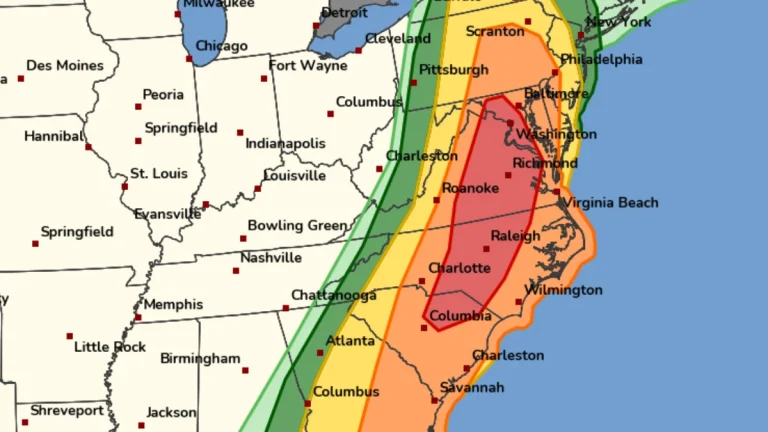
    A Moderate Risk (Level 4 of 5) for severe thunderstorms has been issued across parts of the Mid-Atlantic United States for Monday, March 16, 2026, as a powerful multi-hazard storm threatens over 100 million people across the U.S. Fast-moving storms capable of producing damaging winds and a few strong tornadoes are forecast to develop from the Carolinas into Virginia and Maryland during the afternoon and evening hours. A Moderate Risk is an unusually high severe weather category for the Mid-Atlantic and is not issued often for this region. The National Weather Service office serving the Washington, D.C. area described the setup as a “quite rare Day 2 Moderate Risk area” ahead of the event.

  • Winter weather impacts Appalachians and Mid-Atlantic while severe storm risk expands across parts of Oklahoma and Kansas

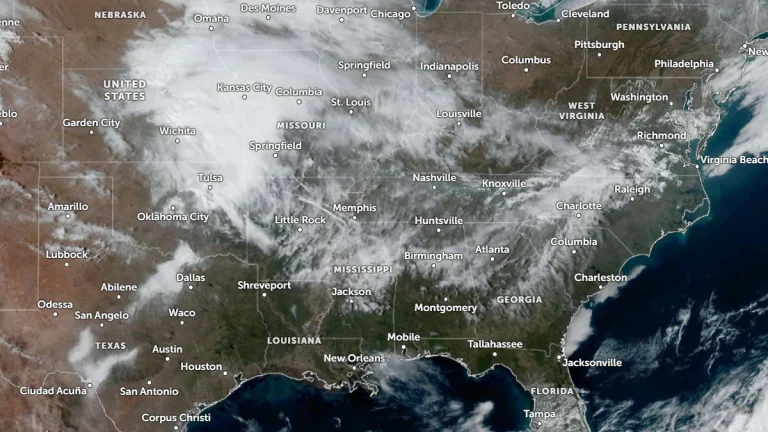
    A lifting frontal boundary draped from the southern Plains to the Mid-Atlantic is producing a swath of mixed winter precipitation across the Ohio and Tennessee Valleys on March 2, 2026, while setting the stage for isolated severe thunderstorms in Oklahoma and Kansas on March 3. Winter weather advisories are in effect from Indiana to Pennsylvania, with ice accretion possible across the higher terrain of the Appalachians, according to the Weather Prediction Center.

  • Winter storm warnings and advisories issued across Great Lakes and Northeast U.S.

    Winter Storm Warnings and Winter Weather Advisories were issued across parts of Michigan, New York, New England, and Pennsylvania early Friday, February 20, 2026, with heavy snow and ice forecast to impact travel through February 21. Snowfall totals of 10 to 28 cm (4 to 11 inches) and ice accumulations up to 6 mm (0.25 inches) are expected in warning areas.

  • Snow squalls create hazardous travel conditions across Ohio and Pennsylvania

    Snow squalls continued through the Saturday afternoon, January 17, 2026, across parts of Ohio and Pennsylvania as an Arctic cold front advanced eastward from the Midwest into the Interior Northeast. The National Weather Service warned of sudden whiteout conditions, gusty winds, and rapidly deteriorating visibility, creating dangerous travel for motorists.